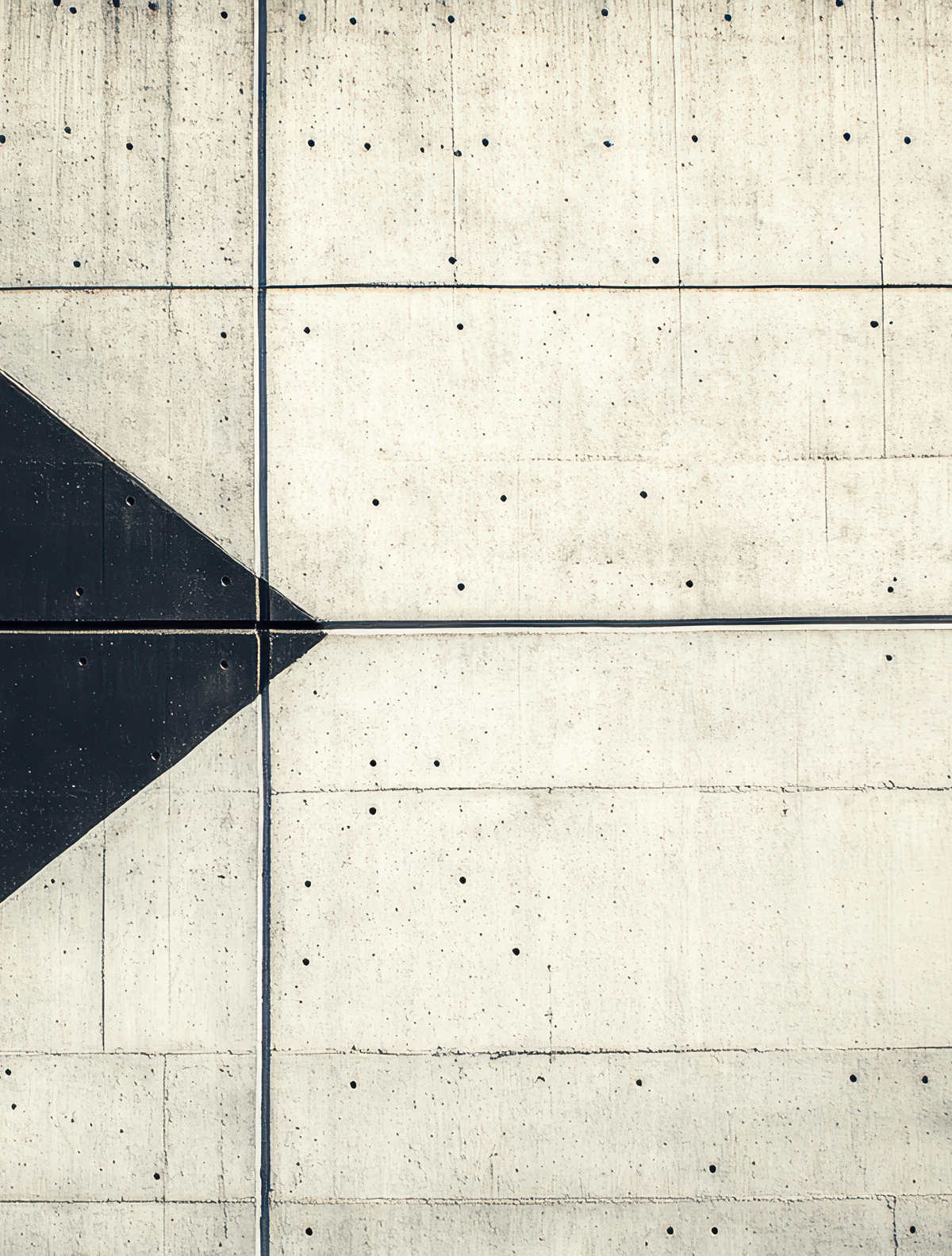
Fair-faced concrete is synonymous with a ‘sense of sophistication’ in architectural design and is regarded as the ultimate expression of concrete architecture.
Its defining characteristic is: structure as decoration. Once the walls have been cast, no secondary finishing such as painting or tiling is carried out; instead, the natural texture of the concrete, along with construction joints, expansion joints and bolt holes, is utilised directly as the decorative surface.
1. Core characteristics
- Natural Finish: It displays the characteristic bluish-grey hue of concrete, with a uniform and smooth texture.
- Construction Marks: Formwork joints (formwork joints) and tie-rod holes (exposed holes) are its signature geometric aesthetic elements.
- Exceptional Durability: The surface is typically coated with a layer of transparent silane sealer, which is both waterproof and stain-resistant whilst maintaining breathability, resulting in a lifespan far exceeding that of standard decorative materials.
2. Construction Challenges (Why is it expensive?)
Exposed concrete demands almost exacting construction techniques; it must be ‘cast in one go’ and cannot be repaired:
- High-precision formwork: High-strength laminated plywood or steel formwork is typically used to ensure a mirror-smooth surface.
- Precise mix proportions: The ratios of water, cement, aggregate and water-reducing admixtures must be absolutely precise; otherwise, colour variations, honeycombing or pitting may occur.
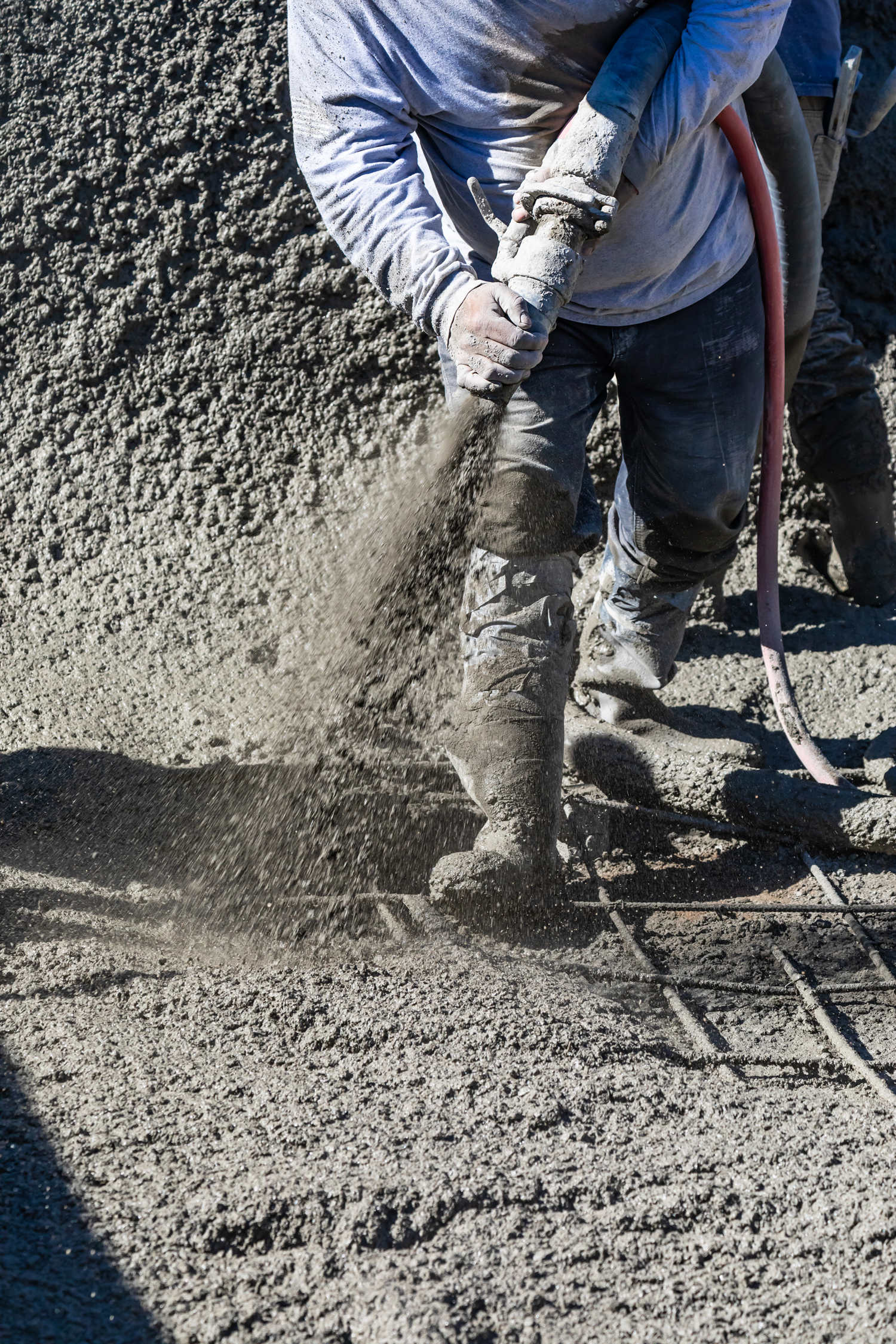
- Compaction process: Air must be expelled evenly to prevent the formation of air bubbles, and segregation must be avoided.
- Protective measures: Curing after formwork removal is crucial; even the slightest impact or contamination can result in irreversible damage.