Drymortar additive

Drymix mortar

Additives for dry-mix mortar

The range of dry-mix mortar additives is an indispensable chemical auxiliary material in modern construction projects. Their primary function is to improve the workability of mortar, enhance bond strength, increase durability and impart special properties. By regulating the rheology, water retention, setting time and crack resistance of mortar, these additives significantly improve construction efficiency and project quality. The products are suitable for use in both cement-based and gypsum-based applications.

Main Additives

  1. 1
    Methylcellulose-MHEC/HPMC

    MHEC (methylhydroxyethyl cellulose) and HPMC (hydroxypropyl methylcellulose) are both extremely important non-ionic cellulose ethers, widely used in industries such as construction, pharmaceuticals, food and personal care. They are primarily used as thickening agents and water-retaining agents.In the construction sector, MHEC and HPMC are the ‘essential additives’ for dry-mix mortars. Although their core functions are similar, the selection criteria differ in specific cement-based and gypsum-based applications.

    Product Type:

    • Methylhydroxyethylcellulose (MHEC)
    • Hydroxypropyl methylcellulose(HPMC)

    Main Benefits:

    • Excellent water retention, forming a film within the mortar to lock in moisture.
    • Significant thickening and rheological control
    • Air entrainment reduces shrinkage and significantly minimises drying shrinkage cracks during the hardening process.
    • Extended open time

    Contact us for product information

  2. 2
    Redispersible polymer powder

    Redispersible polymer powder is produced by spray-drying a polymer emulsion. Upon contact with water, the redispersible polymer powder breaks down, releasing individual emulsion particles. Once dry, it forms a continuous polymer film within the mortar, thereby enhancing the mortar’s bond strength, flexibility and water resistance.

    Product Type:

    • Vinyl Acetate-Ethylene (VAE) Polymers
    • Vinyl Chloride Co- and Terpolymers (VC)
    • Terpolymers Based on VAcE and VEOVA

    Main Benefits:

    • Excellent Cohesion
    • Very good adhesion to critical substrates such as wood, plastics or polystyrene
    • Flexibility can be engineered without the need to add plasticizers
    • Good low-temperature film forming without additional coalescing agents
    • Glass transition temperatures (Tg) from high to low are possible
    • All modern polymer powders are produced without added APEOs

    Different types of dispersible polymer powder are suitable for different mortar products.Contact us for product information

  3. 3
    Calcium Formate

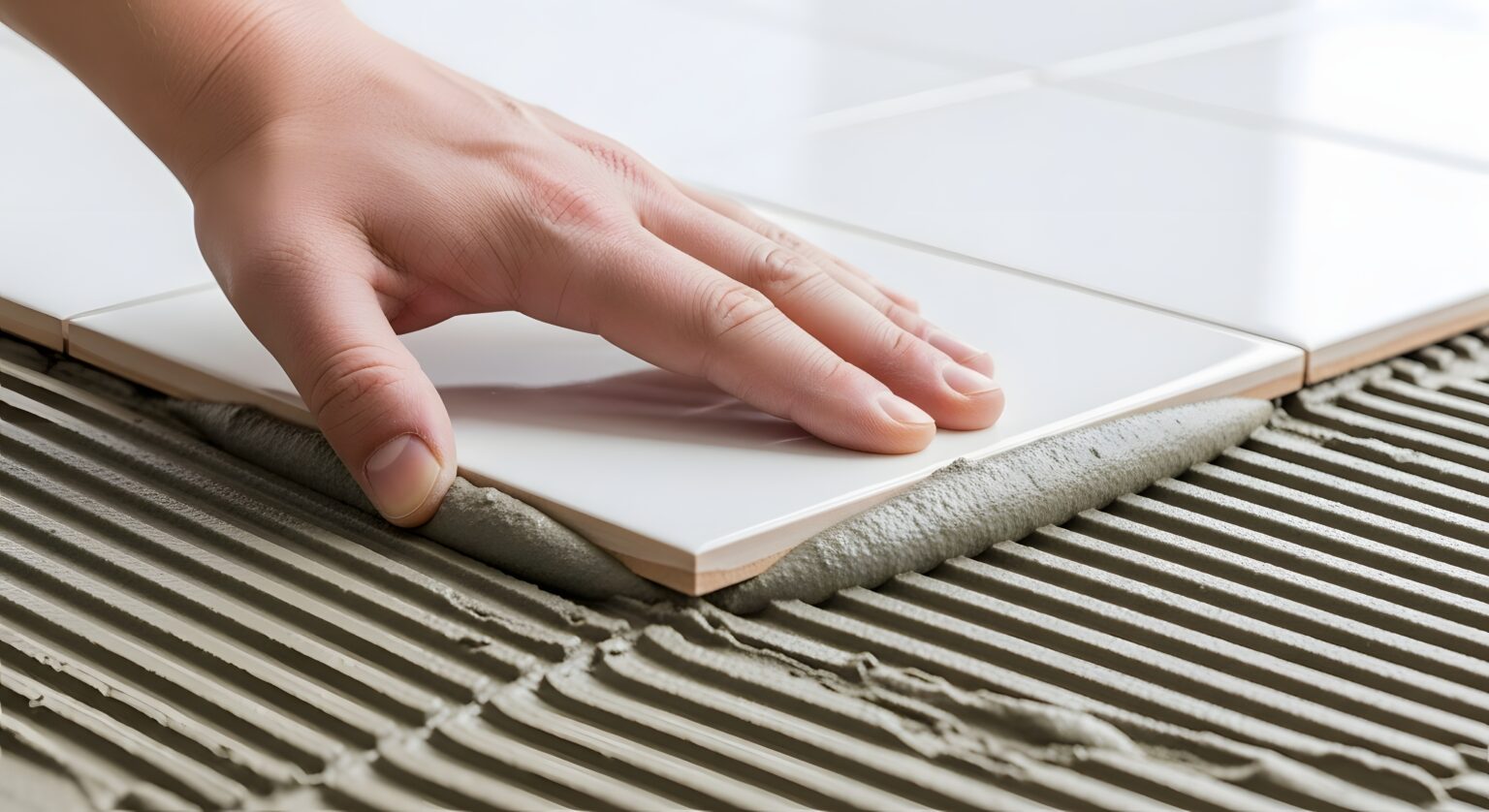
    In the field of construction chemistry, calcium formate is known as an ‘early-strength accelerator’ for cement-based products. It is a white crystalline powder with excellent flow properties and is an indispensable functional additive in dry-mix mortars. Calcium formate is specifically designed to accelerate the hardening process of cement, performing exceptionally well particularly in low-temperature environments or projects requiring rapid turnaround. It is primarily recommended for use in tile adhesives: it speeds up the curing of the adhesive, allowing workers to proceed with grouting operations more quickly and thereby improving construction efficiency.

    Main Benefits:

    • Shortening setting time: Calcium formate significantly accelerates the hydration rate of tricalcium silicate (C3S), enabling the mortar to harden more quickly.
    • Enhancing Early Strength: Within the first 1–3 days after application, mortar containing calcium formate exhibits significantly higher strength than that without it, helping to shorten the construction schedule.

    Contact us for product information

  4. 4
    Starch Ether

    In building dry-mix mortar systems, starch ether is a natural polymer obtained through chemical modification (such as hydroxypropylation).

    Main functions:

    • Excellent anti-sagging properties: This is the most notable characteristic of starch ether. It imparts a very high yield value to the mortar, ensuring that thick-applied mortar or heavy-duty tiles remain completely stable, effectively preventing slippage.
    • Significantly improves workability: It reduces the ‘sticky’ sensation of the mortar, making the plastering process as smooth as spreading butter, thereby significantly reducing the physical strain on workers.
    • Synergistic thickening: When used in combination with MHEC/HPMC, it produces a ‘1+1>2’ thickening effect. While maintaining the same viscosity, the amount of expensive cellulose ether can be appropriately reduced, thereby lowering overall costs.

    Typical Applications

    • Tile Adhesive: Prevents large-format tiles from slipping on walls.
    • Plastering Mortar/Wall Putty: Improves the smoothness and workability of large-area applications.
    • Insulation Mortar/Bonding Mortar: Ensures no sagging during thick-layer application.
  5. 5
    Polypropylene Fiber

    Polypropylene fibers are manufactured using a high-temperature melt-spinning process, with lengths customised to meet client requirements. In the fields of dry-mix mortar and concrete, polypropylene fibers (PP fibers) are used to prevent mortar cracking through physical interlocking. They are dispersed throughout the mortar, forming an interlacing three-dimensional support network.

    Why add PP fibers?

    • Inhibiting plastic cracking: During the initial hardening stage of mortar, water evaporation causes volumetric shrinkage. PP fibers act like countless tiny ‘hooks’, locking micro-cracks in place and preventing them from expanding into large cracks visible to the naked eye.
    • Significantly enhanced toughness: With the addition of fibers, the mortar transforms from ‘brittle’ to ‘tough’, making it less prone to shattering or spalling when subjected to impact or seismic vibrations.
    • Improved water-repellent properties: As micro-cracks are reduced, pathways for water penetration are blocked, naturally enhancing the water-repellent properties of walls or floors.

    Common specifications for PP fibers

    The main type used in construction is monofilament, typically available in the following lengths:

    • 3 mm – 6 mm: Used in plastering mortar and wall putty.
    • 9 mm – 12 mm: Used in external wall mortar, floor mortar and tile adhesive.
    • 19 mm and above: Typically used in mass concrete.
  6. 6
    Powdered Cellulose

    Melamine superplasticizerPowdered Cellulose is typically produced by chemically treating and mechanically pulverising natural wood or plant fibers. It appears as a fine, white or off-white fibrous powder. In building materials, powdered cellulose is a natural, water-insoluble physical additive. Unlike HPMC, powdered cellulose acts as both ‘micro-reinforcement’ and ‘water-conducting fibers’ in mortar. It improves workability and crack resistance.

    Main functions

    • Three-dimensional reinforcement (crack resistance): It forms an interlaced three-dimensional structure within the mortar. This physical framework effectively mitigates shrinkage stresses during the mortar’s hardening process, preventing surface cracking.
    • Improved thixotropy (anti-sag): Wood fiber possesses excellent thickening and viscosity-enhancing properties. When used in tile adhesives or thick-coat plastering applications, it provides exceptional anti-sag properties, ensuring the material remains firmly in place on the wall.
    • Water Retention Aid (Water Conduction): Although it does not lock in water via chemical bonds like HPMC, it exhibits capillary action (being hollow internally). It slowly releases internal moisture to the cement, acting as an ‘internal curing’ agent, thereby extending the open time and preventing surface skinning.
    • Excellent Workability: It reduces the stickiness of the mortar, making application lighter and smoother.

    Typical applications

    • Gypsum wall putty/grout: Prevents cracking at joints.
    • Tile adhesive: Improves slip resistance and open time.
    • External wall insulation finishing mortar: Enhances crack resistance and workability.
  7. 7
    Silicone Hydrophobic Powder

    In dry-mix mortar for construction, silane/siloxane-based hydrophobic powder (Silicone Hydrophobic Powder, abbreviated as hydrophobic powder) is the key additive for achieving waterproofing in mortar. Unlike traditional sealed waterproofing systems, it provides breathable waterproofing, enabling the mortar to “repel water but allow vapour to pass through”.

    How does it work?

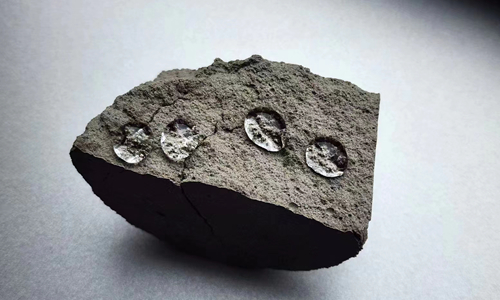
    • Reduces water absorption: When the mortar comes into contact with water, the silane components form an extremely thin hydrophobic film on the surface of the mortar’s micro-pores. Water forms droplets that roll off, preventing it from penetrating the interior.
    • Maintains breathability: This film only repels liquid water; it does not block water vapour. This means that moisture from inside the wall can escape, preventing dampness and blistering in the underlying layers.
    • Prevents efflorescence (white deposits): By preventing water from entering the mortar, it reduces the likelihood of salts migrating to the surface with the water, thereby significantly reducing the common ‘white efflorescence’ seen on external walls.
  8. 8
    Gypsum Retarder

    In building materials, gypsum retarders are the key additives used to regulate the working time of gypsum-based products (such as plaster, wall putty and jointing compound).

    As hemihydrate gypsum (plaster of Paris) hydrates and crystallises rapidly upon contact with water (typically hardening within a few minutes to over ten minutes), workers would be unable to carry out large-scale applications without a retarder.

    Why add a retarder?

    • Extend open time: Extends the initial setting time of gypsum from a few minutes to 60–180 minutes, or even longer, ensuring workers have ample time for application and levelling.
    • Maintain strength stability: A high-quality retarder delays hardening by inhibiting crystal growth kinetics, whilst minimising any adverse effects on the gypsum’s subsequent compressive and flexural strength.

    Why choose ‘amino acid-based retarding agents’?

    In plastering gypsum, amino acid-based retarding agents are the industry’s first choice for the following reasons:

    • High retarding efficiency: Only a very small amount is required to achieve the desired setting time.
    • High strength retention: Compared to citric acid, amino acid-based retarding agents have less impact on the growth direction of gypsum crystals, resulting in a more robust hardened gypsum. They do not affect the final strength.

    The GR series of retarding agents launched by VITchem offers these outstanding properties. Please feel free to request samples for testing.

  9. 9
    Polyvinyl Alcohol(PVA)

    In the construction sector, polyvinyl alcohol (PVA) is a versatile water-soluble polymeric material, primarily valued for its excellent adhesive properties, film-forming ability, impact resistance and water retention. It is widely used in dry-mix mortars, construction adhesives and coatings.

    1. Additives for Dry-Mix Mortars and Wall Putty

    Enhanced Adhesion: PVA powder is a key additive in dry-mix fillers, interior and exterior wall paints, and bonding mortars, significantly improving the bond strength between the material and the wall surface.

    Improved Workability: Adding PVA to wall putty powder enhances its film-forming properties, resulting in a smoother, more abrasion-resistant finish.

    • Water Retention and Thickening: It effectively controls the consistency of mortar, reducing excessive water loss and thereby preventing the formation of cracks.

    2. Construction Adhesives and Primers

    Surface Treatment: Diluted PVA is commonly used as a primer, applied to concrete, timber or gypsum board surfaces. It seals pores in the substrate, preventing excessive absorption by subsequent coatings or mortars, thereby enhancing interlayer adhesion.

    Adhesive Binder: It is the primary raw material for producing construction glue, such as those used for wallpapering.
  10. 10
    Melamine superplasticizer

    Melamine-based superplasticizers are a type of high-performanceanionic surfactant. They are among the most important high-efficiency superplasticizers in the construction industry. They offer a stable water-reduction rate that is easy to control. Furthermore, melamine-based superplasticizers introduce an extremely low level of air into the mixture, which aids in the production of high-strength, durable components and enhances the surface gloss of mortar. Melamine-based superplasticizers are widely used in specialised building materials where high standards of appearance and strength are required.

  11. 11
    Powdered Polycarboxylate Superplasticizer

    Powdered polycarboxylic superplasticizer is a white or pale yellow solid granule produced by spray-drying liquid polycarboxylic superplasticizer. By designing and modifying the length and type of the PCE molecular chains, different product types can be produced to suit gypsum and cement applications.

    1. Key Advantages

    • Extremely high water-reduction rate: At extremely low dosages (typically 0.15%–0.3% of the cementitious material), the water-reduction rate can reach 25%–40%. It maintains the workability of mortar for an extended period.
    • Environmentally Friendly: Formaldehyde-free, with a pollution-free production process; classified as a green, eco-friendly material.
    • Enhanced Density: Significantly improves the density of mortar or concrete, enhancing water resistance, freezing resistance and long-term strength.

    2. Why must ‘powder’ be used in dry-mix mortars?

    In ready-mixed dry-mix mortars (such as self-levelling compounds and grouts), liquid superplasticizers cannot be added directly. Powdered Polycarboxylic superplasticizers possess excellent solubility, allowing them to be uniformly pre-mixed with cement, sand and aggregate; they dissolve upon contact with water and rapidly exert a dispersing effect.

    3. Main applications

    High-performance self-levelling compounds: Cement-based or gypsum-based self-levelling mortars.

    High-strength grouting materials: Grouting for equipment foundations, grouting materials for rebar connection sleeves.

    Repair and special-purpose mortars: Repair mortars, waterproofing mortars.

Functional additives

  1. 1
    Air-entraining agent

    Air-entraining agents are additives that introduce a large number of tiny, trapped and stable air bubbles into mortar or gypsum during mixing.

    Why are they also commonly used in dry-mix mortars?

    In wall putty, rendering mortars or tile adhesives, air-entraining agents offer the following benefits:

    • Improved workability: Workers find the mixture ‘smooth’ to work with; it does not stick to the trowel, making the mortar easier to level.

    Prevention of hollow spots: By improving the cohesion of the mortar or gypsum, it reduces shrinkage after hardening.

    Lightweighting: In certain formulations, the appropriate amount of air-entraining agent can reduce the material’s density and increase the coverage area.

  2. 2
    Defoamer

    In construction, self-levelling mortars or flowable mortars produce a large number of unstable large, harmful bubbles during mixing. The primary function of a defoamer is to eliminate these large bubbles, ensuring the material’s density and aesthetic quality.

    1. Why must defoamers be used in construction materials?

    To improve strength: Large bubbles can turn into voids, severely weakening the compressive strength of concrete or mortar. Defoamers can significantly improve the material’s density.

    • Improved appearance: Prevents ‘honeycombing’ or pinholes from appearing on self-levelling floors and exposed concrete surfaces.

    2. Common types of defoamers for construction

    • Polyether-based: Extremely popular in dry-mix mortars (such as self-levelling compounds). It is resistant to high temperatures and strong alkalis, offers long-lasting defoaming, and does not leave oil stains.
    • Silicone-based: These defoam extremely rapidly, requiring only a very small amount to break bubbles; however, if added in excess, they may affect the recoatability and adhesion of coatings or mortars.

    3. Main Application Scenarios

    • Cement-based/gypsum-based self-levelling compounds
    • High-strength grouts
  3. 3
    Anti-efflorescence agent

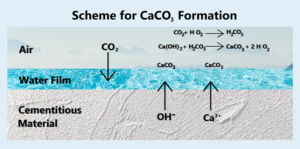
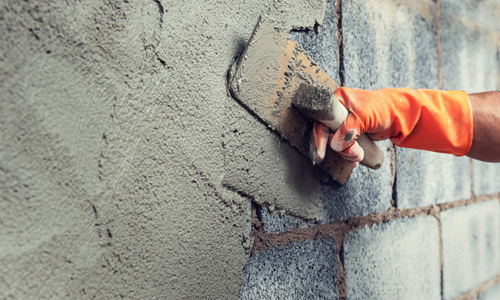
    Anti-efflorescence agents are specially designed functional additives primarily used in cement-based materials. They prevent calcium hydroxide (alkali) from migrating to the surface through a dual chemical and physical mechanism.Efflorescence essentially occurs when calcium hydroxide (an alkaline substance) in cement is carried to the surface by moisture, where it reacts with carbon dioxide in the air to form white calcium carbonate crystals, resulting in white patches on walls or floor tiles.
    2. Key Advantages

    • Exceptional efflorescence inhibition performance: It is specifically optimised to inhibit both ‘primary efflorescence’ and ‘secondary efflorescence’.
    • Improved colour uniformity: In coloured grouts or decorative mortars, it significantly reduces colour variation, resulting in a richer and more uniform surface colour.
    • Excellent dispersibility: As a spray-dried powder, it can be pre-mixed very uniformly into dry-mix mortars and rapidly releases active ingredients upon contact with water.

    3. Working Principle

    Reaction Inhibition: It reacts with the hydration products of cement to reduce the content of free alkali.

    Hydrophobic Effect: It forms a hydrophobic layer on the walls of the mortar’s capillaries, blocking the ‘pathways’ through which water carries alkali ions to diffuse outwards.

    4. Recommended Applications

    • High-end coloured grout/decorative grout (cement-based).
    • Coloured rendering mortar and decorative mortar
    • Exterior landscape bricks, artificial stone
  4. 4
    Shrinkage Reducing Agent

    Cement shrinks in volume as it hardens; this phenomenon is known asshrinkage. It is the cause of cracks, delamination and leaks in buildings. Shrinkage Reducing Agents (SRAs) are additives designed to prevent shrinkage following water loss.

    Core principle: reducing surface tension

    Shrinkage Reducing Agents are typically surfactants (such as polyethers or alcohols).

    They penetrate the water within the capillaries, significantly reducing the surface tension of the water. When the water evaporates, the inward tensile force acting on the capillary walls is reduced, thereby substantially minimising drying shrinkage deformation.

    This operates on a different principle to expansion agents, which counteract shrinkage through ‘micro-expansion’, whereas Shrinkage Reducing Agents suppress shrinkage by ‘reducing tensile force’; the best results are achieved when the two are used in combination (dual compensation).

    Main applications

    • Ultra-flat floors and self-levelling mortar: Prevent the formation of mesh-like cracks or warping in large floor areas.
    • Shrinkage-free grouting material: Ensure the grouting layer adheres tightly to the equipment foundation without gaps.
    • High-performance concrete (HPC): Used in projects such as bridges and tunnels where durability and crack control are of the utmost importance.
    • Repair mortar: Ensure that the interface between new and old surfaces does not detach due to shrinkage.
  5. 5
    Coagulant

    Coagulants are additives specifically designed to speed up the hydration reaction of cement, shorten setting time and improve early strength. In the formulation of self-levelling mortar, the selection of a coagulant is a highly precise process, as it must strike a delicate balance between ensuring sufficient flow time (working time)andenabling rapid hardening (walk-on time).

    Key Functions

    Reduced setting time: Enables the mortar to transition rapidly from a plastic state (slurry-like) to a hardened state, accelerating the construction schedule.

    • Enhancing early strength: Significantly increases compressive strength within the first 6–24 hours, facilitating subsequent processes (such as formwork removal, grinding or foot traffic).
    • Ensuring low-temperature application: In winter or low-temperature environments, where cement hydration is extremely slow, the coagulant maintains reaction activity, preventing the mortar from suffering freeze damage.

    Main Applications

    • Self-levelling mortar: Ensures the surface is walkable within 4–6 hours after application, or that the top coat can be applied the following day.
    • Repair mortar: For rapid emergency repairs to roads and bridges, where strength must be restored within a few hours.

    Combining Coagulants with Retarders

    In actual production, it must be used in conjunction with retarders:

    Retarders (e.g. tartaric acid, sodium metasilicate): Responsible for ‘suppressing’ the reaction during the first 20–30 minutes after mixing, ensuring the mortar flows like water.

    Coagulants (e.g. lithium carbonate): Responsible for rapidly hardening the mortar once the levelling process is complete.

  6. 6
    Thixotropic Lubricant agent

    Thixotropic Lubricant Agent is a composite functional additive. It serves to reduce friction during application whilst maintaining the cohesion of the mortar. It makes the mortar as easy to spread as ‘cream’, yet prevents it from sticking to the trowel or running.

    • Function: They are distributed throughout the mortar like ‘micro-balls’, reducing friction between the aggregates (sand).
    • Texture: Provides an excellent silky smooth feel, particularly in thick-layer rendering or mechanically sprayed mortar, significantly improving pumping and levelling efficiency.

    Why is it needed?

    Cellulose Ether (HPMC): Primarily relies on ‘stickiness’ to retain water, but if too sticky it will ‘stick to the trowel’, making the work tiring for labourers.

    Thixotropic Lubricant: It makes the mortar as smooth and silky as cream, making levelling very easy and preventing it from sticking to the trowel.

    Typical Applications

    • Machine-applied mortar: Ensures smooth machine application.
    • Lightweight render: Provides superior encapsulation for mortars containing vitrified microspheres or polystyrene particles.
    • Thick-layer wall putty: Improves levelling efficiency during large-scale applications.
  7. 7
    Suspension Agent

    In self-levelling mortar, the suspension agent’s primary function is to address“settling and segregation”and“surface bleeding”. Self-levelling mortar is required to flow like water; however, as the mortar contains heavy sand (aggregate) and light powder (cement, fillers), if not properly controlled, the heavy components will settle to the bottom, resulting in uneven strength after hardening, whilst the lighter components (water and fine powder) will rise to the surface, causing a pitted or powdery finish with low surface strength.

    Core Function:

    The suspension agent forms an extremely weak three-dimensional network structure within the mortar, acting like countless tiny hands to support the sand and stone powder, ensuring they remain evenly distributed throughout the flow process.

    Why must self-levelling compounds contain a suspending agent?

    • Prevent settling: Without a suspending agent, all the sand would settle at the bottom, causing the base layer to become too hard and crack, whilst the surface layer remains too soft and powdery.
    • Eliminate colour variation/floating pigments: Ensures even distribution of pigments in coloured self-levelling compounds, preventing patches of varying shades.
    • Improve flatness: Prevents localised water separation and pitting, ensuring a mirror-smooth surface once fully cured.
  8. 8
    Plastic Expansion Agent

    Plastic Expansion Agent is an additive designed to act specifically within cement pastebefore it hardens (during the plastic stage). Its primary function is to generate tiny air bubbles whilst the cement is still unhardened and has a ‘slurry-like’ consistency, causing the volume to expand slightly, thereby offsetting the early plastic shrinkage caused by water evaporation.

    Why is it a standard component in ‘grouting materials’?

    In equipment foundation grouting or bridge grouting, the mortar must adhere 100% to the steel plates or duct walls above.

    Ordinary mortar: Once dry, it shrinks downwards, causing gaps (voids) to appear at the top.

    With plastic expansion agent added: The grout ‘pushes’ slightly upwards, ensuring every gap is filled and achieving full-contact grouting.

    Plastic Expansive Agent vs Post-Hardening Expansive Agent (UEA, etc.)

    Plastic Expansive Agent (early-stage action): Addresses shrinkage within hours of mixing, preventing early settlement.

    UEA Expansive Agent (late-stage action): Addresses drying shrinkage several days or even weeks after hardening, preventing late-stage cracking.

    The Perfect Pairing: High-performance grouting materials typically combine both to achieve full-cycle volume compensation.

    Main Applications

    • Shrinkage-free grouting material: Installation of large equipment bases, grouting of steel structure column bases.
    • Grouting of prestressing ducts: Ensures that bridge prestressing tendons are completely encapsulated by the grout, with no air voids.
    • Wall repair/reinforcement: Ensures that newly added cementitious materials do not separate from the original structure.
  9. 9
    Nanoreinforcing agent

    In the field of building materials, nano-reinforcing agents fundamentally alter the microstructure of mortar or concrete by intervening in the hydration process of cement at the atomic/molecular level, thereby enhancing the strength and water resistance of these materials.

    Core Principle: Why does the nanoscale make a difference?

    • Seeding Effect: Nanoparticles act as ‘seeds’ for hydration products, inducing rapid crystallisation on their surfaces and accelerating hardening.
    • Filling Effect: They fill the minute pores (gel pores) between cement particles, blocking water penetration pathways.
  10. 10
    Dust suppressant

    Dust suppressants possess excellent dust-adsorbing properties. Following physical mixing and homogenisation, they can significantly reduce dust emissions during the use and mixing of mortar, resulting in a more environmentally friendly, low-dust mortar.

    Their unique molecular structure ensures that, whilst providing highly effective dust suppression, these agents do not affect the shelf life of cementitious materials. They also have minimal impact on mechanical properties such as compressive and flexural strength, and are effective in significantly reducing mortar shrinkage.

    The dust suppressant is mixed with fine powders such as sand and cement. Following physical mixing and homogenisation, it significantly reduces dust emissions during the use and mixing of mortar, resulting in a more environmentally friendly, low-dust mortar.

  11. 11
    Pregelatinised starch

    Pregelatinised starch, commonly known as ‘cold-water-soluble starch’. In dry-mix mortars for the construction industry, it is a highly cost-effective binder and thickening agent. It is typically used in neutral-base putty (usually referring to interior wall putties that use talc or calcium carbonate powder as fillers and contain no Calcium Hydroxide or cement).

    Core Function: The “low-cost binder” in neutral-base putty

    • Auxiliary thickening: It significantly increases the viscosity of neutral-base putty, making the material feel “thicker”.
    • Improved workability (smooth texture): It imparts an excellent smooth texture to neutral-base putty.
    • Enhanced adhesion: As a physical binder, it helps provide a certain degree of surface hardness and initial tack once the neutral-base putty has dried.

    Why do neutral-base putties “prefer” it?

    • Acid-Alkali Neutrality: Pre-gelatinised starch is most stable in environments with a pH close to neutral. In strongly alkaline mortars such as cement or Calcium Hydroxide, starch is prone to degradation or loss of efficacy; however, in neutral-base putties, its performance remains most stable.
    • Ease of sanding: Wall putty containing an appropriate amount of pregelatinised starch develops sufficient hardness upon full curing whilst retaining moderate flexibility, making it very easy to sand with sandpaper at a later stage.
     

Recommended Applications

  • Tile Adhesives & Grouts
  • Renders & Plasters
  • Masonry Mortar
  • Wall Putty
Tile Adhesives & Grouts

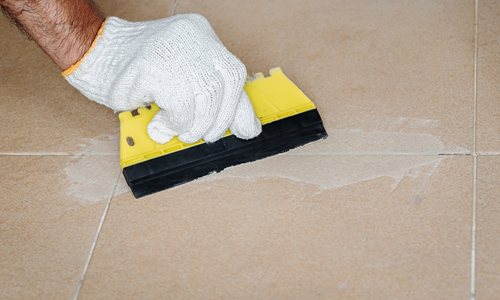
Tile adhesives and grouts are two core and indispensable components of a tile installation system. Tile adhesives, acting as the ‘glue’, are primarily responsible for firmly bonding tiles to wall or floor substrates; whilst grouts are used to fill the gaps between tiles, serving to enhance the appearance, provide waterproofing and protect the edges. The VitaPlus range of additives is suitable for all types of mortar, offering a variety of functions to enhance the mortar’s overall performance.

Contact us for technical solution

Renders & Plasters

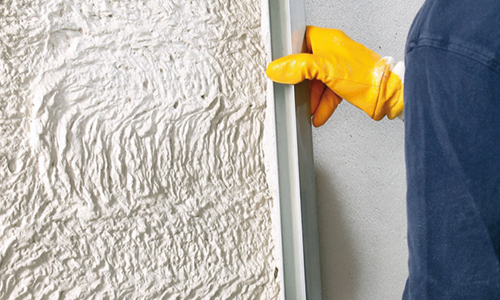
In the dry-mix mortar industry, Render typically refers to external wall render or sub-floor levelling mortar—products that require the most balanced performance from additives. As it is applied in relatively thick layers (typically 10–25 mm), the key challenges lie in: crack prevention, resistance to sagging, and long-term water retention performance.

Among building materials, the key distinction between Plaster and Render (external cement-based) lies in the fact that the former primarily uses Gypsum or Lime as its binding agent, aiming to achieve the utmost smoothness, a fine texture and indoor comfort.The VitaPlus range of additives is suitable for all types of mortar, offering a variety of functions to enhance the mortar’s overall performance.

Contact us for technical solution

Masonry Mortar

Masonry Mortar is a building material used in construction to bond bricks, stones and concrete blocks into a single structure.Unlike render, which aims to achieve a smooth finish over large areas, masonry mortar focuses primarily on bond strength, compressive strength and workability during application.

Performance grades of masonry mortar are typically classified according to compressive strength as M5, M7.5, M10, M15, M20, etc. The higher the grade, the greater the cement content, and the higher the requirements for the compatibility of additives.

The VitaPlus range of additives is suitable for all types of mortar, offering a variety of functions to enhance the mortar’s overall performance.

Contact us for technical solution

Wall Putty

Wall Putty is a key material used for levelling walls in building decoration, serving as the intermediate layer between the base coat (render/plaster) and the top coat (paint). Its primary functions are to: conceal defects in the substrate, provide an extremely smooth surface, and enhance paint adhesion.

In the dry-mix mortar industry, the formulation of Wall Putty prioritises workability, water retention, hardness and sandability. The performance requirements for additives are extremely high; otherwise, issues such as chalking and insufficient strength may arise.The VitaPlus range of additives is suitable for all types of mortar, offering a variety of functions to enhance the mortar’s overall performance.

Contact us for technical solution

  • Self-Leveling Floor Screeds
  • EIFS/ETICS Mortar
  • Waterproof Mortar
  • Repair Mortar
Self-Leveling Floor Screeds

Self-levelling mortar is among the most technically advanced products in the dry-mix mortar sector. It self-levels under the influence of gravity to form an extremely smooth, hard and dense sub-base, typically serving as a levelling layer for vinyl flooring, wooden flooring or epoxy flooring. In the formulation of self-levelling mortar, striking a balance between flowing properties and stability (preventing segregation and bleeding) is key.

High-performance additives are key to producing high-quality self-levelling mortar.The VitaPlus range of additives is suitable for all types of mortar, offering a variety of functions to enhance the mortar’s overall performance.

Contact us for technical solution

EIFS/ETICS Mortar

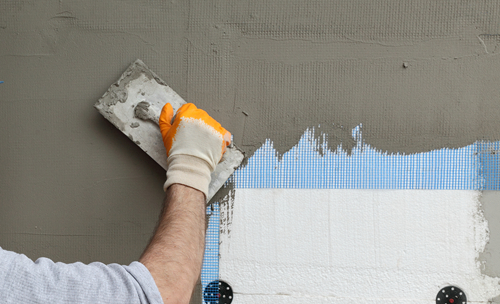
In the field of building insulation, EIFS or ETICS is known as an External Insulation Finishing System. This system comprises a series of functional mortars, the core objective of which is: to firmly bond insulation boards (such as EPS/XPS) to the wall and protect them from external impacts and rainwater erosion.

In EIFS/ETICS, two main types of mortar are involved: adhesive mortar and finishing mortar.

1.Adhesive Mortar

Used to bond insulation boards (EPS, XPS, rock wool, etc.) to the substrate (brickwork, concrete).

2. Finishing Mortar (Base Coat)

Applied to the outer surface of the insulation boards, with glass fibre mesh embedded within.

Waterproof Mortar

Water proofing mortar is a key material used in construction projects for water proofing basements, water tanks, kitchens and bathrooms, and external walls. In dry-mix mortar formulations, the performance of water proofing mortar is determined by a combination of density and hydrophobicity.

Key Additives

  • Hydrophobic Agent:Imparts overall hydrophobicity to the mortar. Unlike coatings, this powder makes the mortar water proof from the inside out, ensuring water proofing remains effective even if the surface is worn.
  • Redispersible Polymer Powder:Function: Provides flexibility.If the water proofing layer is too brittle, it will crack and allow water to seep through as soon as the substrate deforms. The polymer powder forms a film and fills capillary pores, increasing the resistance to water penetration.
  • Cellulose Ether (HPMC/MHEC):Ensures the mortar does not lose water during application. If water is lost too quickly, the cement will not hydrate fully, resulting in a loose mortar and the formation of pathways for water to seep through.
Repair Mortar

Repair Mortar is a specialised material designed specifically to repair defects in concrete structures (such as cracks, spalling, exposed reinforcement and honeycombing).

The “Three Key Performance Indicators” of Repair Mortar

  1. Superior Bonding Strength: It must be able to “grip” aged, smooth, or even slightly dusty substrates.
  2. Low Shrinkage: Repairs are typically carried out in localised voids; if the mortar shrinks significantly during drying, ring-shaped cracks will immediately form at the edges, causing the repair to fail.
  3. Early Strength and High Strength: Many repair projects (such as roads and bridges) require traffic to resume within a few hours, placing extremely high demands on early strength.
Couldn't find the answer? We can help!

For more information about our additives and solutions for the building and construction industry, please contact our experts. We use our professional knowledge and experience to help you find the answers and products you need. We look forward to hearing from you.