Cement grinding
- Home
- Drymix mortar industry
- Other Industry
- Cement grinding
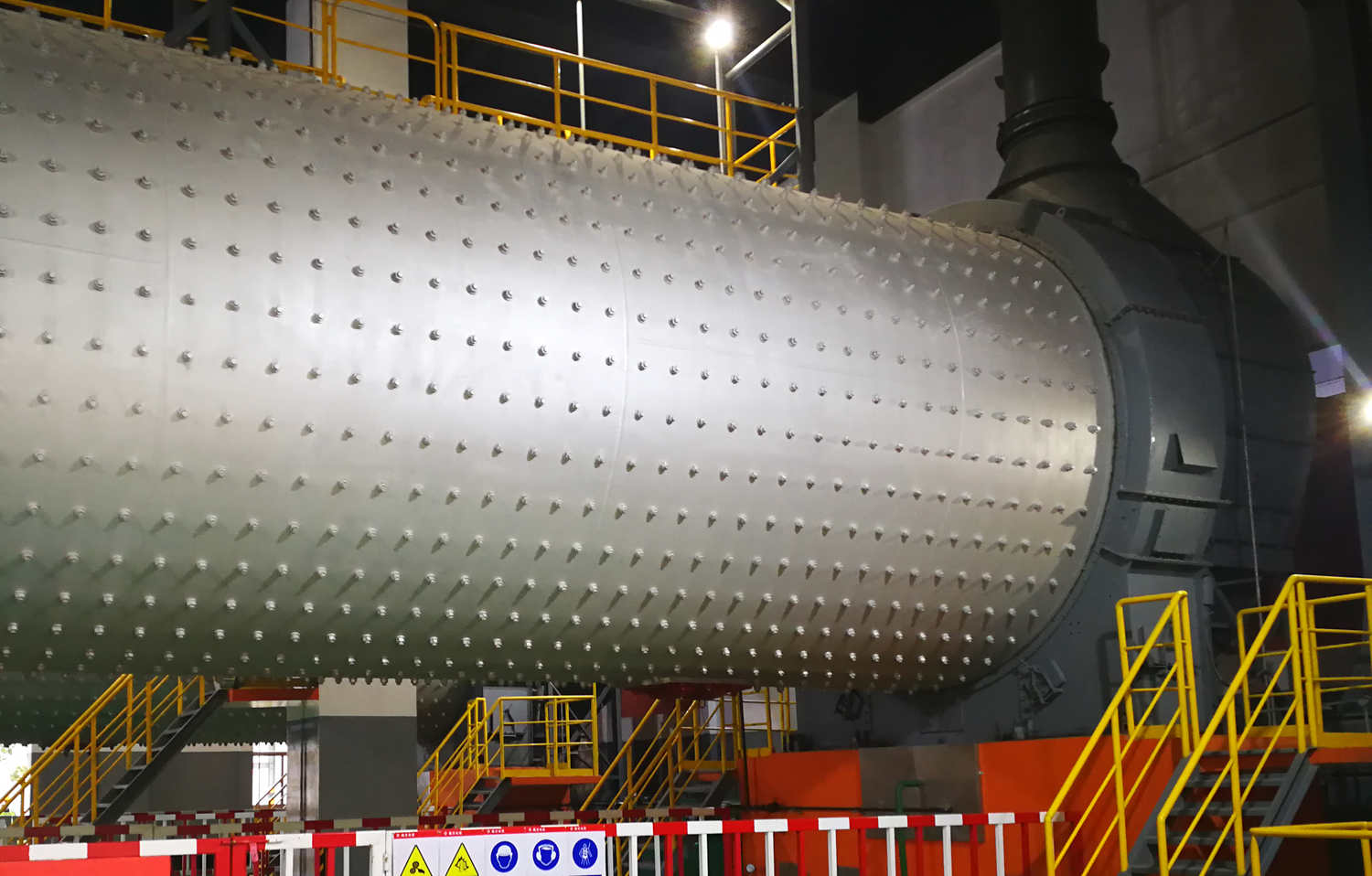
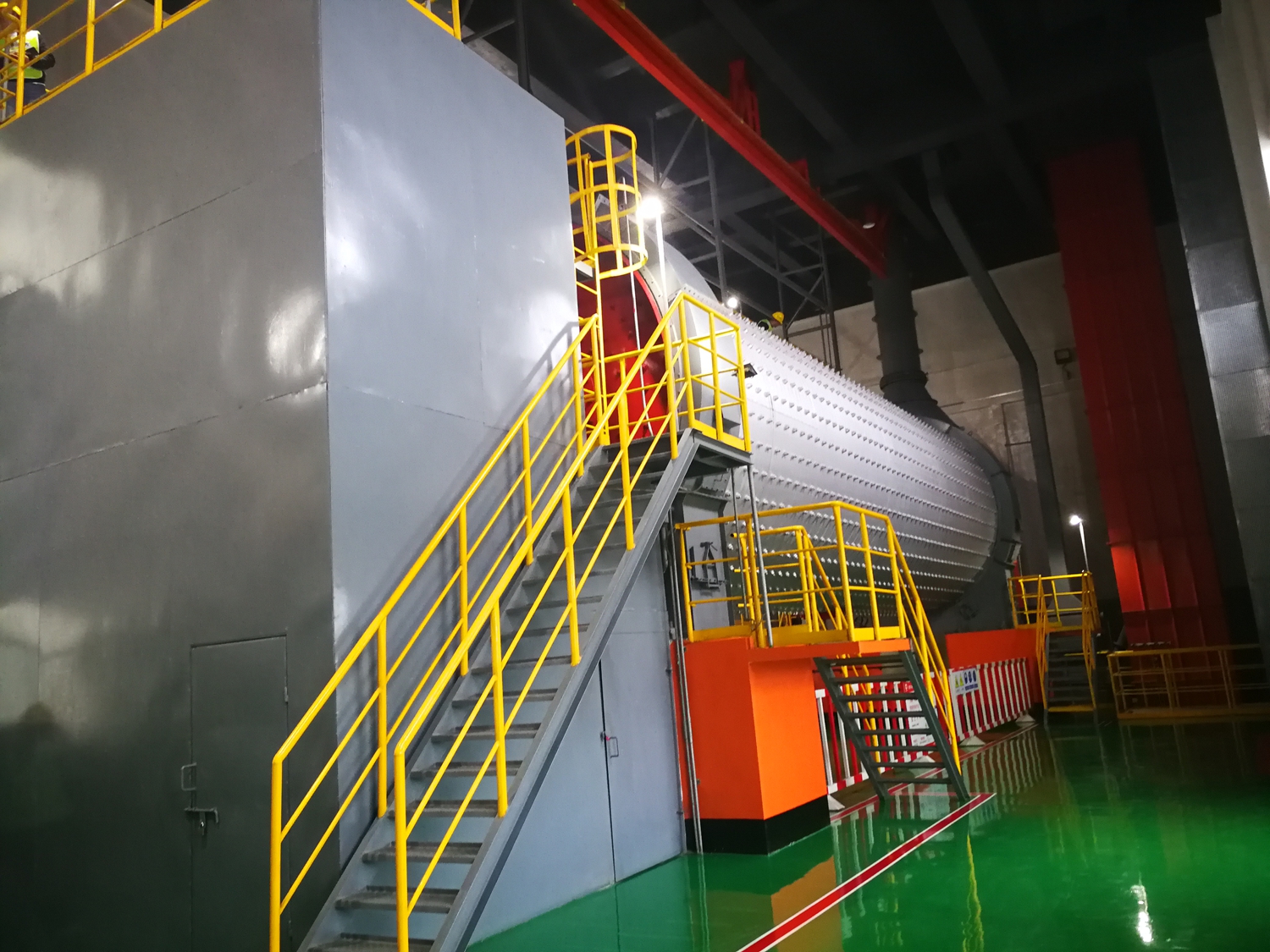
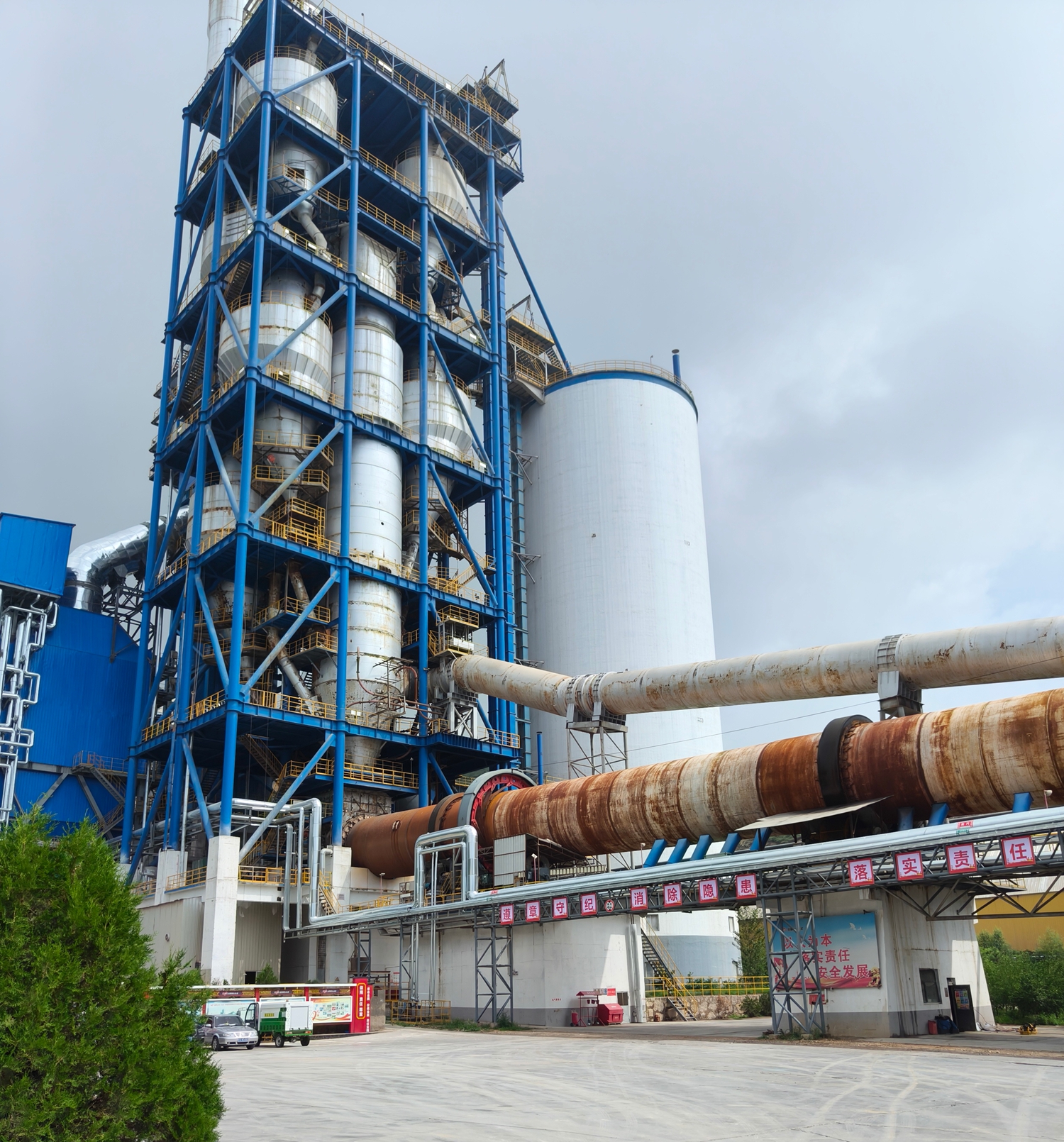
In cement production, grinding (cement grinding) is the final and critical process, whose core task is to grind cement clinker (as well as gypsum and blended materials) into extremely fine particles to enhance their hydration activity.
Core Process Flow
Currently, the industry primarily employs a combined approach of “compression + grinding + high-efficiency classification”.
- Crushing and Pre-grinding: Clinker is compressed using a roller press. This step generates a large number of micro-cracks, significantly reducing energy consumption in subsequent grinding operations.
- Grinding (Ball Mill or Vertical Roller Mill):
- Ball Mill: Traditional grinding using steel ball impact. Although energy consumption is relatively high, the resulting particles are rounded, with a broad particle size distribution, which is favorable for concrete flowing (especially SCC).
- Vertical Roller Mill (VRM): Integrates drying, grinding, and classification into a single unit. Extremely efficient and space-saving, it is the mainstream choice for modern large-scale cement plants.
- Classification (Separation): Qualified fine powder is separated using a high-efficiency classifier, while coarse powder is recirculated for regrinding. This is key to controlling the specific surface area (fineness) of the cement.
Recommended additives
- Modified Alcohol Amines
- Alcohol Amine
- Polyols
Modified Alcohol Amines are the core components of the current third-generation high-performance cement grinding aids. Based on traditional alcohol amines (such as TEA and TIPA), they overcome the shortcomings of single-component products—such as limited functionality and poor compatibility—through chemical modification (e.g., cross-linking, grafting, or blending).
The following outlines the core technical features and value of modified alcohol amines in cement grinding aids:
1. Why is “modification” necessary?
Traditional single-component alcohol amines have significant limitations:
- TEA (Triethanolamine): While it provides excellent early strength, its contribution to later-stage strength is minimal, and excessive amounts can easily cause flash setting.
- TIPA (Triisopropanolamine): Excellent for late-stage strength, but offers no significant improvement in early strength and is relatively expensive.
- Compatibility Issues: Native amines often compete with polycarboxylate superplasticizers (PCE) for adsorption sites, leading to rapid loss of concrete slump.
2. Core Advantages of Modified Alkanolamines
- Multifunctional Synergy: Through modification (such as the molecular design of DEIPA (diethanol monoisopropanolamine)), it achieves the dual objectives of “early strength” and “late-stage enhancement” within a single molecular structure.
- Superior Dispersibility: The modified polymer chains possess greater polarity, enabling more efficient adsorption within the cracks of clinker particles. This results in a 15%–30% improvement in viscosity reduction compared to conventional amines.
- Increased Blending Ratio of Blending Materials: Modified amines can more deeply activate the latent reactivity of fly ash, slag, and stone powder. While maintaining the same strength, the blending ratio of low-carbon materials can be increased by 3%–5%.
- Reduced Total Alkali Content of Grinding Aids: Due to their higher reactivity, the same grinding aid effect can be achieved at lower dosages, meeting the requirements for low-alkali cement.
In the field of building materials, alcohol amines are the most critical active chemicals in cement grinding aids and concrete admixtures. They contain both hydroxyl groups (-OH) and amine groups (-NH₂/-NH/-N); this dual functional group structure enables them to exhibit unique physicochemical properties during cement grinding and hydration.
1. Comparison of Core Products and Functions
The three most commonly used alcohol amines in the cement industry and their characteristics are as follows:
| Product Name | Abbreviation | Features | Brief Description of Mechanism of Action |
|---|---|---|---|
| Triethanolamine | TEA | Excellent early strength (3 days) | Accelerates the early hydration of tricalcium aluminate (C3A), resulting in the formation of more alunite. |
| Triisopropanolamine | TIPA | Outstanding late strength (28 days) | Significantly stimulates the hydration of tetracalcium ferraluminate (C4AF) and substantially enhances the reactivity of slag and fly ash. |
| Diethanolmonoisopropanolamine | DEIPA | Enhanced strength throughout the entire cycle | Combining the early strength of TEA with the late strength of TIPA, it is currently the most advanced balanced component available. |
2. Why are alcoholamines critical for cement grinding?
Polar adsorption (grinding aid): Alcoholamine molecules rapidly adsorb onto the microcracks on the surface of clinker particles, reducing surface energy and preventing the re-agglomeration of fine particles (the “balling” phenomenon), thereby significantly increasing mill output.
Catalytic Hydration (Enhancement): They are not only physical grinding aids but also chemical initiators. By complexing metal ions in cement (such as trivalent iron ions and trivalent aluminum ions), they accelerate ion migration and the precipitation of hydration products.
3. Industry Trends: From Pure Compounds to “Modified” Formulations
The industry is currently shifting from the use of pure TEA or TIPA to modified alcohol amines:
- Polyether modification: Enhances dispersibility and reduces interference with superplasticizers.
- Blending technology: Grafting or physically blending alcohol amines with different carbon chain lengths to adapt to variations in clinker composition across different regions (e.g., high-sulfur, high-alkali environments).
In the cement grinding industry, polyols are the second most important core raw material after amines. While amines (such as TEA) focus on “chemical enhancement,” polyols are more focused on “physical grinding aid” and “rheological modification”.
The following outlines the key roles and characteristics of polyols in grinding aids:
1. Common Product Types
- Small-Molecule Polyols: Ethylene glycol (EG), propylene glycol (PG), diethylene glycol (DEG). These form the foundation of traditional yield-enhancing grinding aids and are cost-effective.
- High-molecular-weight polyols: Glycerin, polyethylene glycol (PEG). These offer better film-forming properties and polarity, resulting in superior dispersion.
- Polymeric polyols: High-end modified components, commonly used in specialized grinding for SCC (self-compacting concrete) and UHPC.
2. Core Mechanism of Action
- Polar Adsorption and Crack Propagation: Polyols contain multiple hydroxyl groups (-OH) and possess strong polarity. They rapidly adsorb onto the tips of microcracks generated during clinker crushing, reducing surface energy and acting like wedges to prevent crack healing (Rehbinder effect), thereby making grinding more efficient.
- Elimination of Electrostatic Agglomeration: During the grinding process, the powder carries a significant amount of static electricity, making it highly prone to “balling” or adhering to the mill liners. Polyols neutralize surface charges, maintaining the powder’s high ability for flowing.
- Improved Classification Efficiency: Since polyols enhance the dry flowing ability of the powder, particles disperse more easily within the classifier, significantly reducing the phenomenon of “over-grinding.”
FAQ
- 1How can we improve efficiency and reduce electricity consumption and carbon emissions?
The grinding and related processes (including raw mill and cement mill operations) consume significant amounts of electricity. The electricity consumption for grinding per ton of cement typically ranges between 30–45 kWh, accounting for approximately 12% of total carbon emissions in cement production.
To reduce the carbon intensity of this process, the industry primarily employs the following strategies:
- Equipment Upgrades: Substituting traditional ball mills with more efficient vertical mills (VRMs) or roll presses can reduce grinding electricity consumption by 20%–40%.
- Grinding Aids: Adding grinding aids improves grinding efficiency and shortens grinding time, thereby reducing electricity consumption per ton.
- Energy Transition: Installing on-site photovoltaic systems or procuring green electricity reduces indirect emissions to near-zero levels.
- Blending Substitutes: Incorporating more low-carbon blending materials (such as fly ash and slag) during the grinding stage reduces the proportion of high-carbon clinker.
- 2The Role of Cement Grinding Aids in the Grinding Process?
In the cement grinding process, grinding aids are chemical additives used in extremely small quantities (typically parts per ten thousand) but with significant effects. Their primary purpose is to address the“balling”and“agglomeration”phenomena that occur during the micronization process.
The following are the four key functions of grinding aids:
1. Eliminating “Ball Caking” and “Grinding Sludge” (Dispersion Effect)
The finer the cement is ground, the larger the specific surface area of the particles becomes, and the higher the surface energy.
- Problem: Fine powders adhere to each other due to electrostatic and molecular forces, and adhere to the mill’s steel balls and lining plates (i.e., “ball caking”), forming a cushion that causes grinding efficiency to plummet.
- Function of Grinding Aids: Grinding aid molecules (typically polar molecules, such as triethanolamine, TEA) rapidly adsorb onto the surfaces of cracks created during grinding, neutralizing charges and reducing surface energy. This keeps the particles dispersed, ensuring that the steel balls strike the material directly.
2. Physicochemical “Splitting” Effect (Rebinder Effect)
- Principle: Grinding aid molecules can penetrate into microscopic cracks.
- Effect: These molecules act like wedges to prevent the cracks from reclosing (healing), thereby reducing the material’s mechanical strength. This makes the clinker easier to break under the same impact force, known as “chemical strength reduction”.
3. Improved Classifier Efficiency (Fluidity Improvement)
- Improved Flowing: After adding grinding aids, the powder's flowing properties significantly increase.
- Effect: Inside the classifier, well-dispersed particles are more easily carried away by the airflow, reducing instances where qualified fine particles are mistakenly returned as coarse particles (over-grinding), thereby resulting in a more reasonable particle size distribution.
4. Enhancing Overall Benefits
- Increased Production and Energy Savings: At the same fineness, mill output can be increased by 10%–25%, or power consumption can be reduced.
- Enhanced Reactivity: Due to reduced over-grinding, the particle size distribution of the cement becomes more uniform (with an increase in effective particles in the 3–32 μm range), which helps improve both the early and late-stage strength of the cement.
- 3What Products Are Included in Cement Grinding Aids?
To meet the process requirements of cement grinding, grinding aids are typically formulated as blends of various functional chemicals. Based on their chemical composition and mechanisms of action, they primarily consist of the following core product categories:
1. Alkanolamines (Core Active Ingredients)
These are currently the most widely used and effective grinding aid components on the market:
- Triethanolamine (TEA): The most widely used, it significantly improves the early strength of cement (3-day strength) and provides excellent dispersion properties to prevent agglomeration.
- Triisopropanolamine (TIPA): Due to its unique spatial structure, it is more effective than TEA at enhancing late-stage strength (28-day strength) and is commonly used in cement with high blended material content (such as slag).
- Diethanolmonoisopropanolamine (DEIPA): Combines the advantages of TEA and TIPA, balancing both early and late-stage strength.
2. Alcohols and Polyols
Primarily used to improve powder flowing properties and reduce surface energy:
- Ethylene glycol (EG) and Propylene glycol (PG): Lower cost, primarily serving a physical dispersing function.
- Glycerin: Often used as an inexpensive filler or auxiliary component.
3. Lignosulfonates
- Calcium/Sodium Lignosulfonate: A commonly used water-reducing agent in its own right. Adding it during grinding improves cement flowing properties and provides some water-reducing effect.
- Note: If the dosage of these components is too high, it may lead to excessive air entrainment or reduced strength when the cement is used to mix concrete.
4. Sugars and Molasses
- Industrial molasses: Primarily serves as a dispersant and provides some grinding aid, and is extremely inexpensive.
- Sodium acetate/calcium chloride: Sometimes added as an early-strength component, but is now strictly regulated due to the risk of chloride ions corroding reinforcing steel.
5. Polyol Polymers and Modified Compounds
- These are typically patented products from various grinding aid manufacturers (such as GCP/Grace, Sika, and Fosroc). Through molecular modification, they exhibit exceptional viscosity-reducing effects during ultra-fine grinding (e.g., in the production of UHPC-specific powders).
ViT Chemical GmbH owns over 10 years of experience in cement grinding and can provide customized services, such as optimizing grinding processes and developing tailored grinding aids. We help clients improve production efficiency, achieve higher cement strength, and reduce energy consumption. Contact us to discuss further.
- 4Types and Characteristics of Cement Grinding Aids
Cement grinding aids can be broadly classified into the following
four major categories based on their primary functions and chemical composition:
1. Strength-Enhancing Grinding Aids
This is currently the most widely used category on the market, with the primary objective of improving cement strength while maintaining fineness.
- Key Components: Triethanolamine (TEA), Triisopropanolamine (TIPA), DEIPA, etc.
- Characteristics:
- Early-Age Strength Enhancement: Grinding aids containing TEA can significantly improve 3-day strength.
- Late-Age Strength Enhancement: Grinding aids containing TIPA can effectively activate the reactivity of blended materials (such as slag and fly ash), substantially increasing 28-day strength.
- Cost Reduction and Efficiency Improvement: Through strength-enhancing effects, the blending ratio of blended materials can be appropriately increased (as a substitute for expensive clinker), thereby reducing the cost per ton of cement.
2. Production-Increasing Grinding Aids
These products focus on physical dispersion, aiming to maximize mill output.
- Key Ingredients: Ethylene glycol, propylene glycol, glycerin, and certain low-cost alcoholamine residues.
- Features:
- Excellent Dispersibility: Significantly reduces particle surface energy, completely eliminating “balling” and “clumping” phenomena.
- High Cost-Effectiveness: Relatively simple formulation, suitable for production lines with moderate strength requirements but heavy mill loads.
- Reduced Power Consumption: By improving classifier efficiency, power consumption per ton can be reduced by 10%–15%.
3. Functional/Specialty Grinding Aids
Customized products developed for special cements (such as SCC or UHPC specialty powders).
- Core Ingredients: Modified polymeric polyols, polymeric surfactants.
- Features:
- Low Water Demand: Optimizes cement particle grading and reduces the initial viscosity of the cement paste.
- High Compatibility: Specifically addresses the issue of competitive adsorption between grinding aids and polycarboxylate superplasticizers (PCE), preventing excessive loss of concrete slump.
- Setting Control: Some products possess certain retarding or temperature-regulating properties, preventing false setting of aggregates caused by heat generated during ultra-fine grinding.
4. Eco-friendly, Low-Carbon Grinding Aids (Eco-friendly)
Core Ingredients: Non-ionic surfactants, bio-based polyols (e.g., purified waste oils).
Features:
- Zero Chlorine/Low Alkali: Strictly controlled chloride ion and alkali content to ensure no corrosion risk to reinforcing steel.
- Low Volatility: Reduces odors and harmful gas emissions during the grinding process.