Detergent product
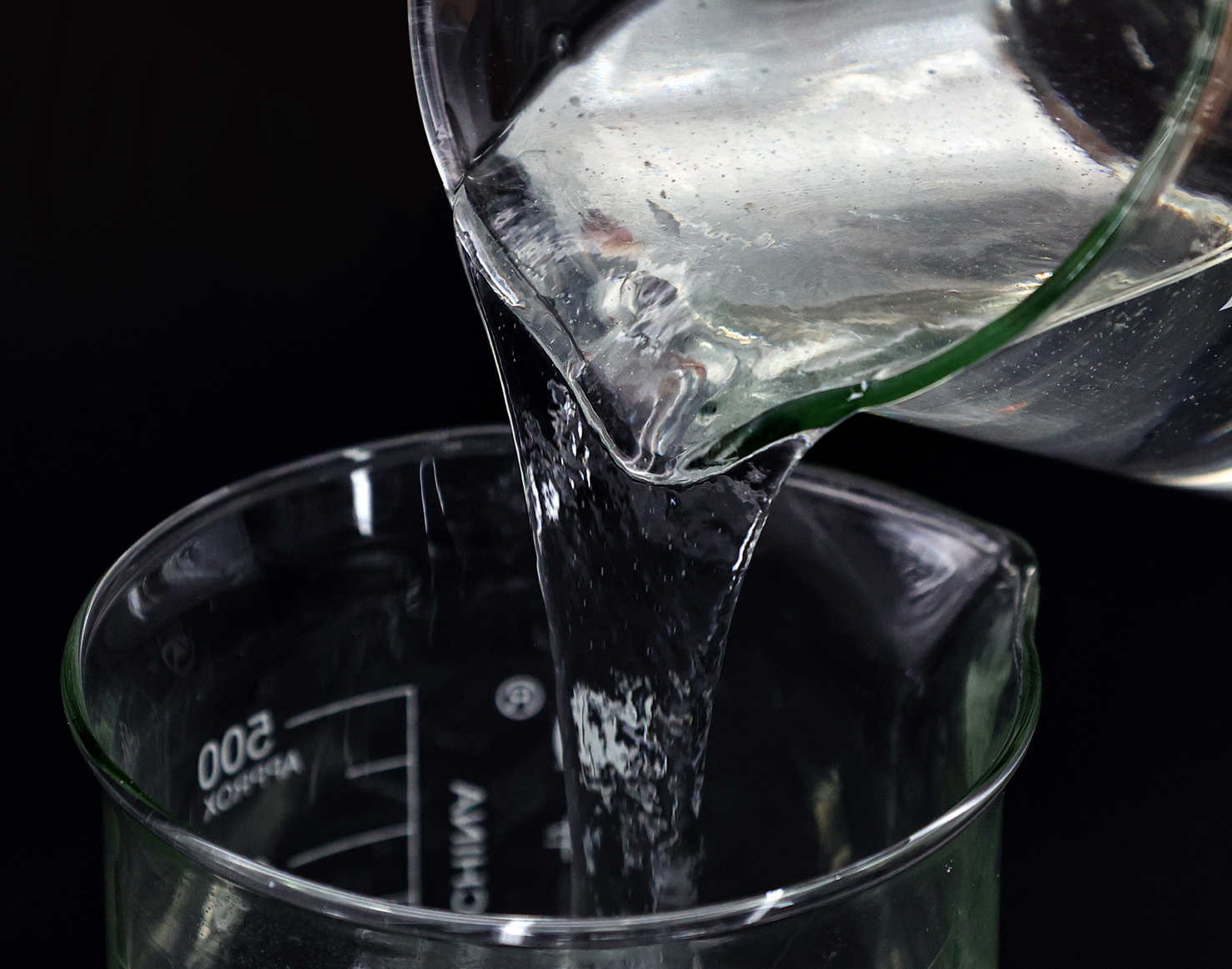
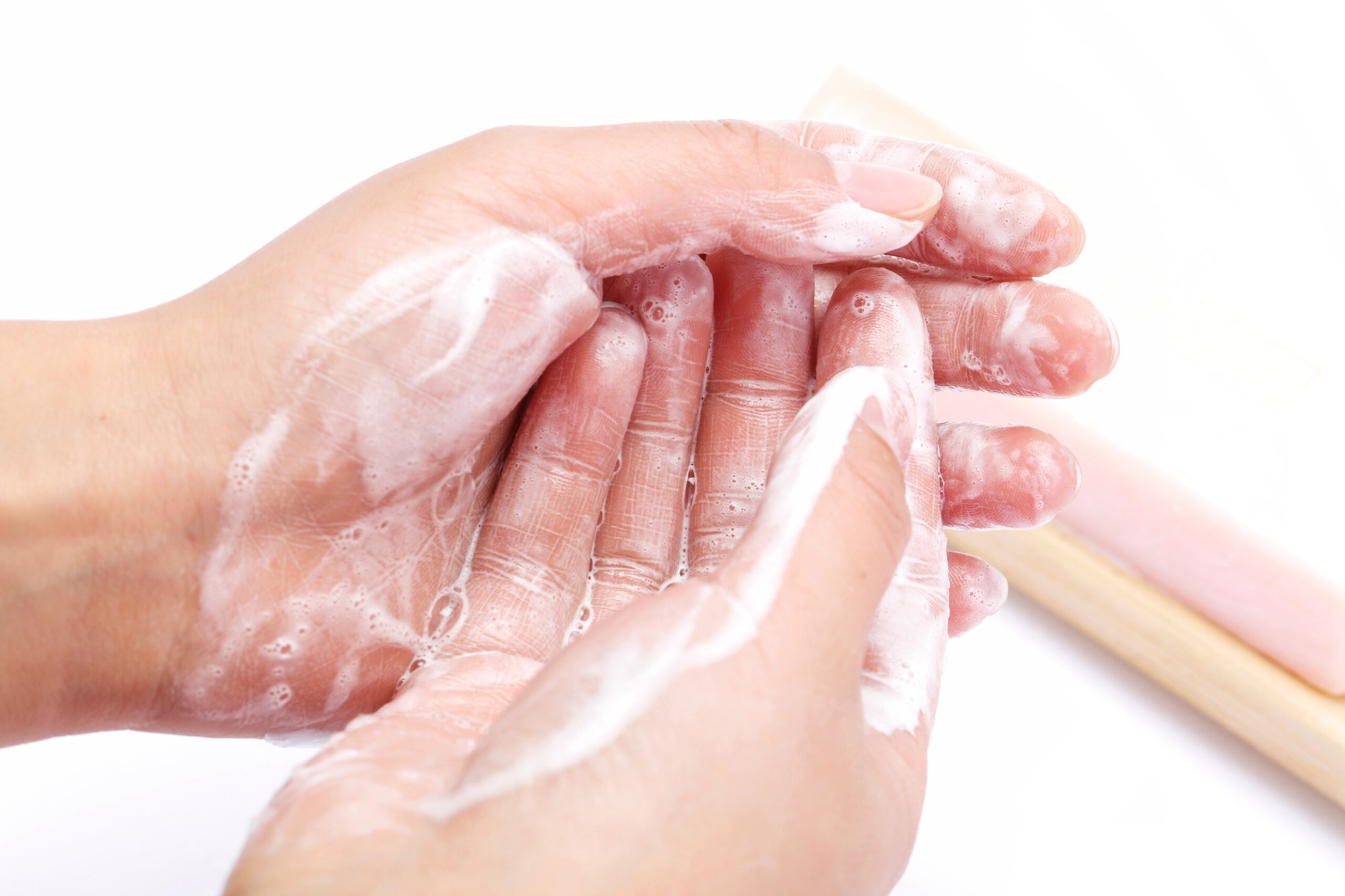
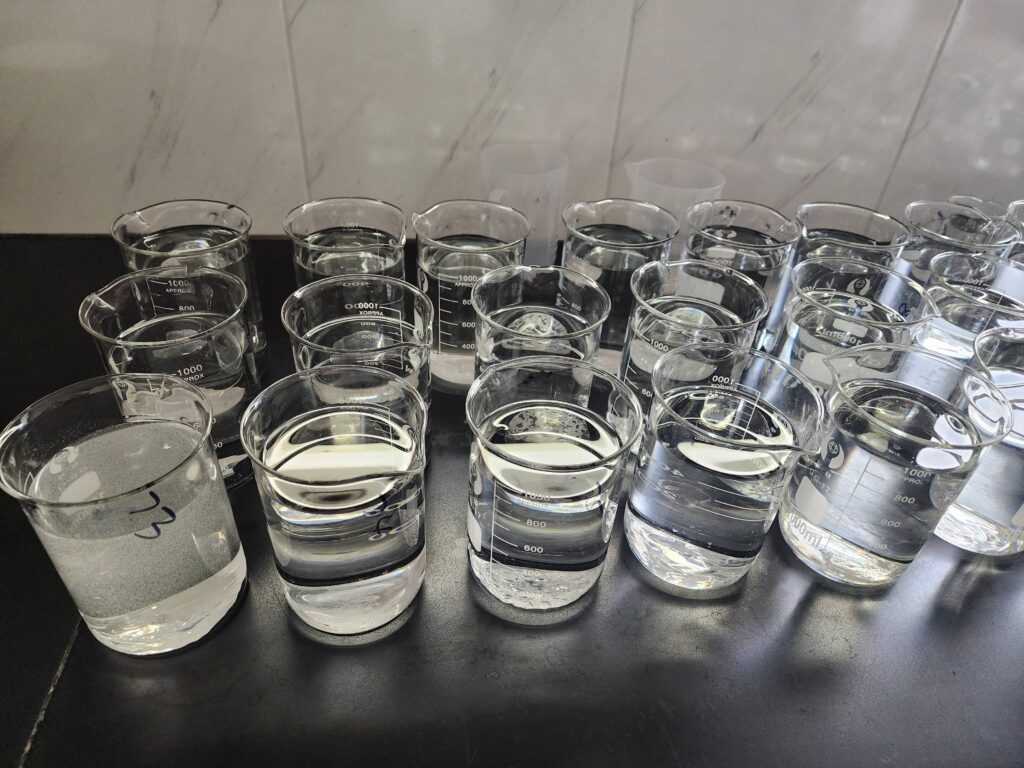
- MHEC/HPMC
- Sodium Lauryl Ether Sulfate
- Coconutt Diethanol Amide (CDEA)
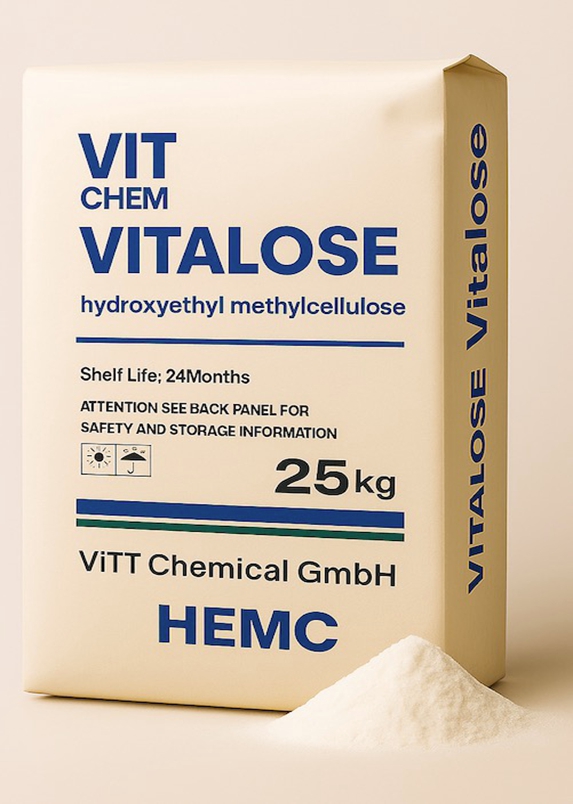
HPMC (hydroxypropyl methylcellulose) is a non-ionic cellulose ether thickener commonly used in detergents. It increases the viscosity and suspension properties of liquids by absorbing water and swelling to form a three-dimensional network structure. In cleaning products, it prevents ingredient separation, improves rheological properties and enhances foam stability.
Key Functions and Benefits
Thickening and Rheological Modification: Effectively increases the viscosity of laundry detergents and dishwashing liquids, imparting a premium texture to the product and controlling flow rate to minimise waste.
Stabilised Suspension: Possesses excellent suspension capabilities, preventing particle sedimentation and ensuring the product remains homogeneous during long-term storage.
Foam Stability: Improves foam quality within surfactant systems, resulting in richer and longer-lasting foam.
Salt and Temperature Resistance: As a non-ionic substance, it remains stable within a pH range of 3–11, exhibits good electrolyte tolerance, and is relatively unaffected by temperature fluctuations.
In low-end cleaning products, SLES (sodium lauryl ether sulphate) is the key cleansing ingredient. It forms a ‘dynamic duo’ with HPMC: SLES provides foam and cleaning power, whilst HPMC provides viscosity and a clinging sensation.
For applications in low-end products, the key points regarding SLES are as follows:
1. Core advantages
- Excellent value for money: Among all surfactants, SLES offers the best value for money in terms of cleaning power and foaming ability relative to its price.
- Good thickening response: It is highly sensitive to salt (sodium chloride). In low-end formulations with a low active ingredient content (e.g. 5%–10%), a very viscous consistency can be achieved by combining it with a small amount of HPMC and salt.
- Hard water resistance: It offers superior hard water resistance compared to traditional LAS (sulphonic acid) and delivers more consistent cleaning performance.
2. Common Specifications
- 70% concentration (paste): Most commonly used in industrial production and offering the best value for money, but requires dissolution in a dilution tank.
- 28% concentration (liquid): Suitable for small-scale workshops; simply add water and stir, with no need for complex dissolution equipment.
3. A Guide to Avoiding Pitfalls in Low-End Formulations
When aiming for extremely low costs, there are several techniques for using SLES:
Dissolution Order: Add HPMC first to disperse, then add SLES. If SLES is added first, it produces a large amount of foam; HPMC is prone to caking and becoming trapped within the foam, resulting in ‘fish-eye’ shaped transparent particles in the product.
Supplementing Degreasing Power: In low-end formulations, due to the low SLES content, degreasing is often insufficient. Typically, a very small amount of sulfonic acid (LAS) or 6501 (alkanolamide) is blended in to enhance cleaning power and aid thickening.
Controlling salt content: If too much HPMC is added, the amount of salt must be reduced; otherwise, the liquid will become viscous and whitish, or even separate into layers.
In detergent formulations, 6501 is an extremely classic auxiliary ingredient; its full English name is Coconut Diethanolamide (CDEA), commonly known in Chinese as coconut oil diethanolamide (also referred to as alkanolamide).
It serves as the optimal ‘lubricant’ and ‘adjuvant’ for SLES and HPMC.
1. Core Functions
- High-efficiency thickening: When used in conjunction with SLES, it exhibits a powerful synergistic thickening effect; even a small amount can significantly enhance the viscosity and stability of the liquid.
- Foam Stabilisation: In low-end detergents, where SLES content is low, foam tends to dissipate easily. 6501 makes the foam richer, finer and longer-lasting (improving the ‘foam clinging’ effect).
- Superfatting & Degreasing: Possessing a certain emulsifying capacity, it enhances the cleaning performance on greasy tableware or clothing, whilst reducing the skin irritation caused by strong alkalis.
2. The ‘Golden Triangle’ in ‘Low-End Formulations’
In budget laundry detergents and washing-up liquids, the roles of these three ingredients are clearly defined:
- SLES (AES): Primarily responsible for foaming and stain removal (active ingredient).
- HPMC: Primarily responsible for physical cling and preventing separation (thickening the aqueous phase).
- 6501 (CDEA): Primarily responsible for foam stability and auxiliary thickening (binder).