
External wall insulation system

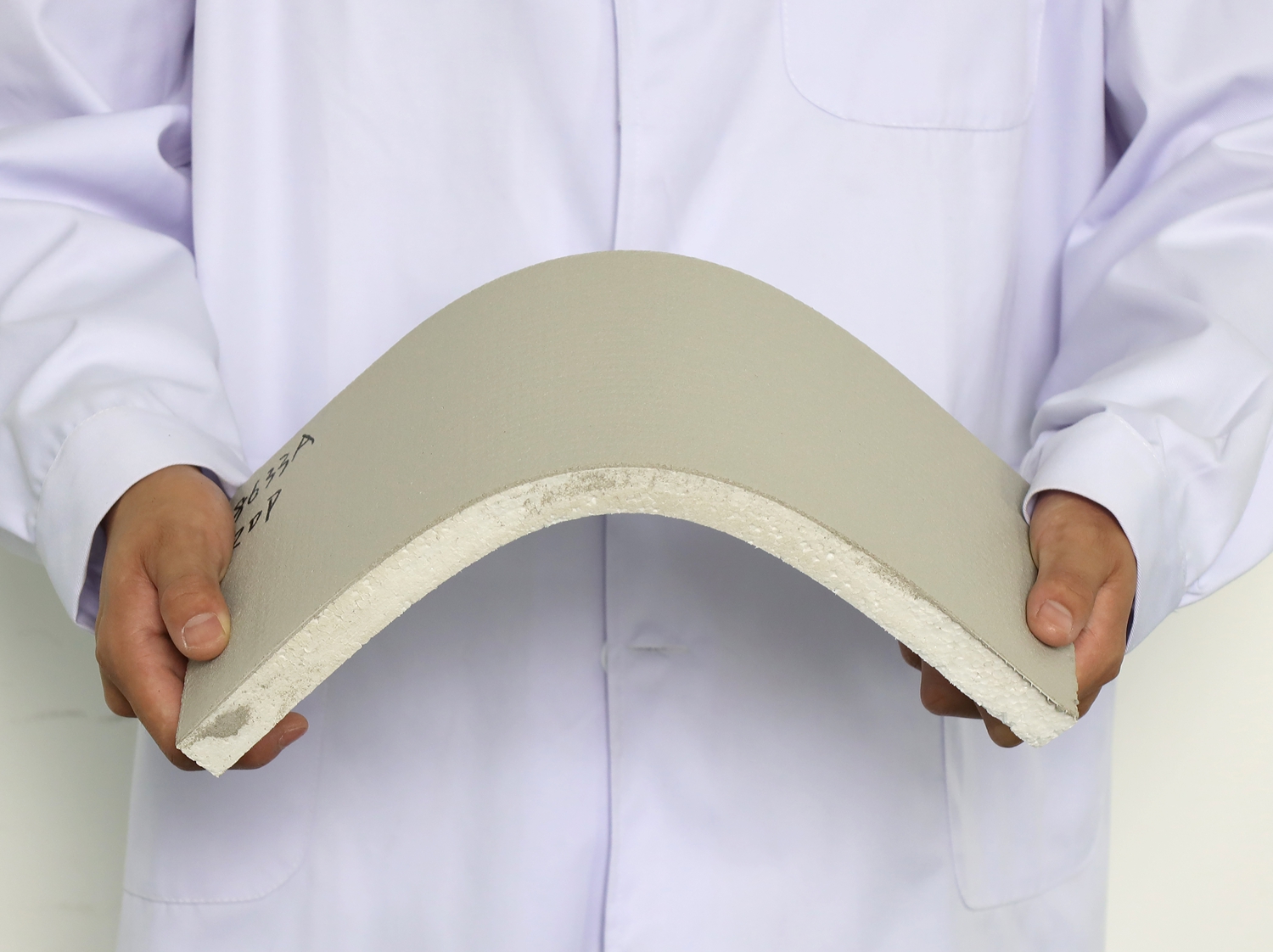
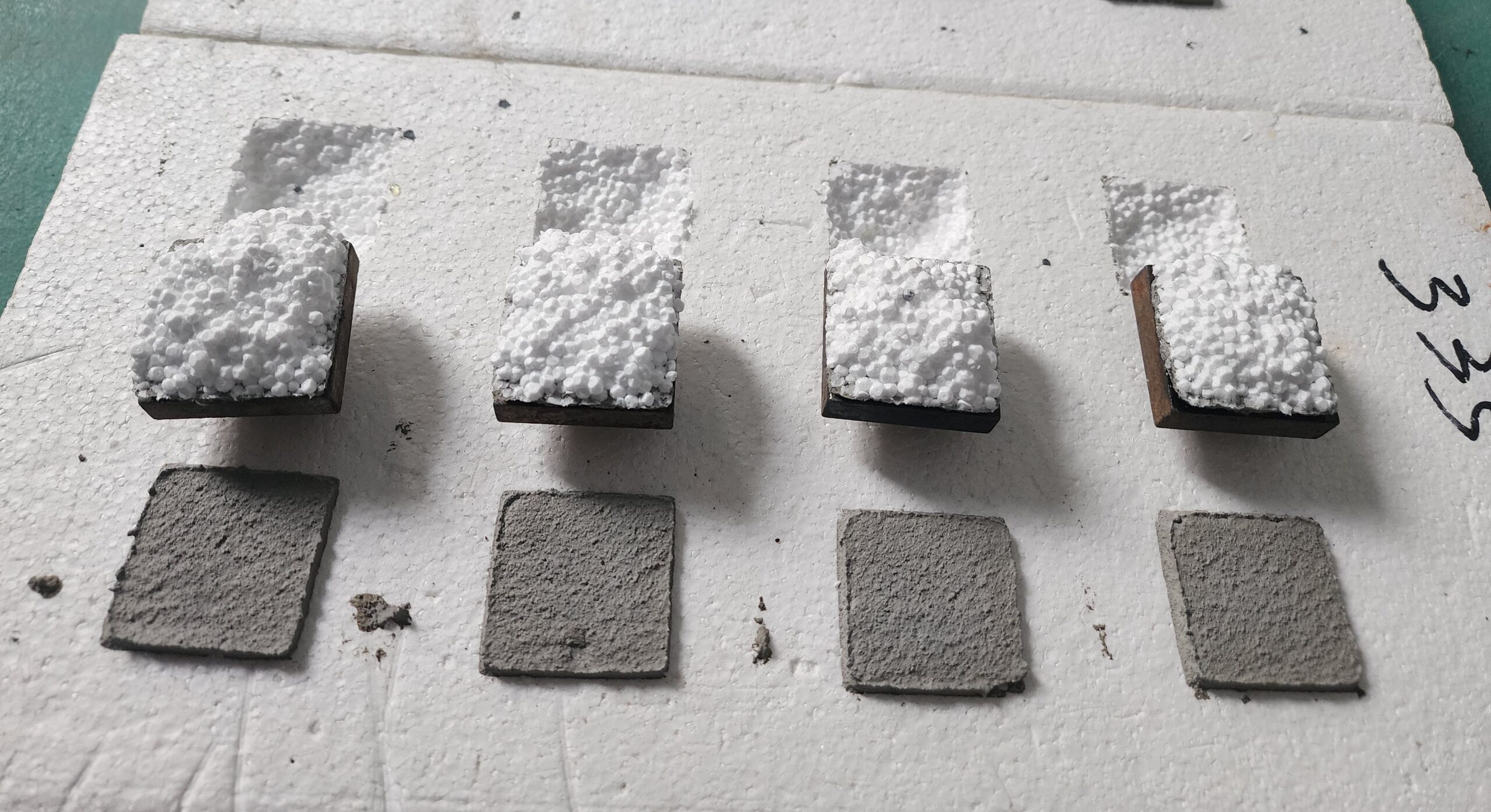
External wall insulation mortar is a specialised construction mortar that combines thermal insulation, crack resistance and fire resistance, and forms a core component of external thermal insulation composite systems (ETICS/EIFS). Currently, the market predominantly favours systems that combine insulation boards (such as rock wool boards and extruded polystyrene boards (EPS/XPS)) with bonding mortar and finishing mortar.

The performance requirements for exterior wall insulation mortar are as follows:

1. Bonding Mortar: This serves as the bonding layer between the insulation board and the wall.

  • Tensile Strength: It must ensure that the insulation layer does not detach entirely under strong wind pressure (suction force) or its own weight.
  • Weather Resistance: Since exterior walls are constantly exposed to cycles of drying and wetting as well as alternating high and low temperatures, the mortar must remain free from aging and brittleness for 10–25 years, maintaining its bonding strength throughout.

2. Finishing Mortar (Crack-Resistant Mortar): This is the protective layer applied over the insulation layer, typically used in conjunction with fiberglass mesh.

  • Flexibility (Lateral Deformation Capacity): The insulation layer undergoes significant movement when exposed to sunlight. If the mortar is too brittle (highly rigid), “spiderweb”-like cracks will quickly form on the surface, leading to water infiltration.
  • Impact Resistance: Protects fragile insulation boards from damage caused by hail, flying debris, or accidental impacts.
  • Water-Repellency and Waterproofing: Prevents moisture from entering the insulation layer. Once the insulation layer becomes damp, its thermal conductivity increases dramatically, causing it to lose its insulating properties.
Key Performance Characteristics of ETICS/EIFS
  • Tensile bond strength
  • Compressive-to-flexural strength ratio
  • Impact resistance
  • Water absorption and permeability

Recommended additives

  • MHEC/HPMC
  • Redispersible polymer powder
  • Crack-resistant fibers
  • Water-repellent agent
MHEC/HPMC

Cellulose Ether (HPMC/HEMC):

  • High Water Retention: Prevents insufficient cement hydration caused by water absorption in lightweight aggregates (such as expanded glass beads).
  • Viscosity Selection: A viscosity of 30,000–50,000 is typically selected to provide sufficient consistency for encapsulation of the aggregates.

Recommended models:

ME-34N02

ME-36M10

ME-32N01

Redispersible polymer powder

Dispersible Polymer Powder (RDP): Provides exceptional flexibility and bonding strength, preventing cracks in the insulation layer caused by thermal contraction. Recommended dosage: 1.0% – 4.0%.

Recommended models:

RDP-86353

RDP-66143

RDP-7028

RDP-7053

Crack-resistant fibers

Crack-resistant fibers:

  • Wood Fibre: Improves workability and prevents the mortar from sagging and cracking.
  • Polypropylene (PP) fibers: Provide physical reinforcement, significantly reducing plastic shrinkage cracks.
Water-repellent agent

In thermal insulation mortar, the water-repellent agent’s primary function is to give the mortar the ability to repel water, thereby preventing moisture from penetrating the insulation layer and causing performance failure.

 Core Functions

  • Preventing insulation failure: Once insulation materials (such as expanded glass beads or rock wool) absorb water, their thermal conductivity increases significantly, causing them to lose their insulating properties. The water-repellent agent prevents moisture from entering.
  • Enhancing freeze-thaw resistance: By reducing the ingress of water into the pores of the mortar, it prevents surface cracking or spalling caused by repeated freeze-thaw cycles in cold regions.
  • Inhibiting efflorescence: It reduces the penetration of alkaline substances from the cement, carried by water, into the finish layer, thereby maintaining the aesthetic appearance of the external walls.

FAQ

  1. 1
    Technical Trends in Thermal Insulation Mortar

    The current technological evolution of thermal insulation mortar primarily revolves around

    lower thermal conductivity, higher fire resistance, longer service life and industrialised application—four core dimensions.

    The following are the mainstream technological development directions in the industry at present:

    1. Ultra-low thermal conductivity and ultra-lightweight (inorganic modification)

    Traditional inorganic thermal insulation mortars face a thermal conductivity bottleneck of around 0.070; new technologies are attempting to break through this limitation:

    Aerogel blending technology: Introducing silica aerogel powder into the mortar. Aerogel has extremely low thermal conductivity (<0.02); even a small amount can significantly reduce the mortar’s overall thermal conductivity, enabling inorganic mortars to achieve the thermal insulation levels of organic materials.

    • Optimisation of High-Performance Vitrified Microbeads: By improving the mineral sand expansion process, closed-cell microbeads that are lighter, stronger and have lower water absorption are produced, further reducing bulk density.

    2. Flexibility, Crack Resistance and Enhanced Durability

    To address the common issue of cracking in external walls, formulations are shifting from ‘rigid’ to ‘flexible’:

    Application of High-Flexibility Polymers: Development of Redispersible Polymer Powder specifically designed for high-alkali environments, reducing the compressive-to-flexural strength ratio (requirement: <3.0) to ensure the insulation layer can accommodate the thermal expansion and contraction of the building without developing visible cracks.

    Multi-dimensional Fibre Reinforcement System: Moving away from the sole use of PP fibres, a gradient blend of wood fibres, basalt fibres and alkali-resistant glass fibres is employed to construct a three-dimensional anti-cracking mesh spanning from the microscopic to the macroscopic level.

  2. 2
    What type of cellulose ether is required for thermal insulation particle mortars?

    What type of cellulose ether is required for thermal insulation particle mortars?

    For thermal insulation particle mortars (such as expanded polystyrene particle mortar and glass microsphere mortar), due to the extremely low bulk density of the aggregate, significant variations in water absorption and the thickness of the applied layer, the requirements for cellulose ether differ significantly from those of standard tile adhesives.

    The following are recommendations for selection:

    1. Recommended specifications

    • Type: HEMC/MHEC
    • Viscosity: Typically 40,000–60,000 mPa·s

    2. Key Performance Requirements

    High Water Retention:

    • Polystyrene or perlite particles (which are not fully closed-cell) are highly absorbent. If water retention performance is poor, moisture will be rapidly absorbed by the aggregate or substrate, leading to insufficient cement hydration and causing the mortar to shrink too quickly, resulting in cracking or powdering.

    Excellent air-entraining properties (improved rheology):

    • Insulation mortar requires a ‘cream-like’ consistency. Moderate air-entraining properties enhance the mortar’s lubricity, ensuring lightweight particles are uniformly encapsulated and preventing segregation (separation of particles from the mortar).

    Good anti-sag properties (supporting strength):

    The thickness of a single application of insulation mortar is typically 2–3 cm. Cellulose ether must provide sufficient yield strength to ensure that the wet mortar adheres to the wall without sliding down or cracking.

    Recommend: ME-36M10

  3. 3
    Solving the problem of ‘cracking in thermal insulation mortar’

    Key additive:

    Redispersible Polymer Powder (RDP)

    • Principle: Forms a flexible polymer film within the mortar, reducing the compressive-to-flexural strength ratio (to less than 3.0).
    • Solution: Increase the polymer powder dosage to 2.5%–4% to enhance the mortar’s flexibility and deformation capacity.

    Auxiliary Additives: Wood Fibre + PP Fibre

    Principle: Wood fibre prevents plastic shrinkage cracks (drying shrinkage), whilst PP fibre provides physical tensile strength to prevent stress cracking.