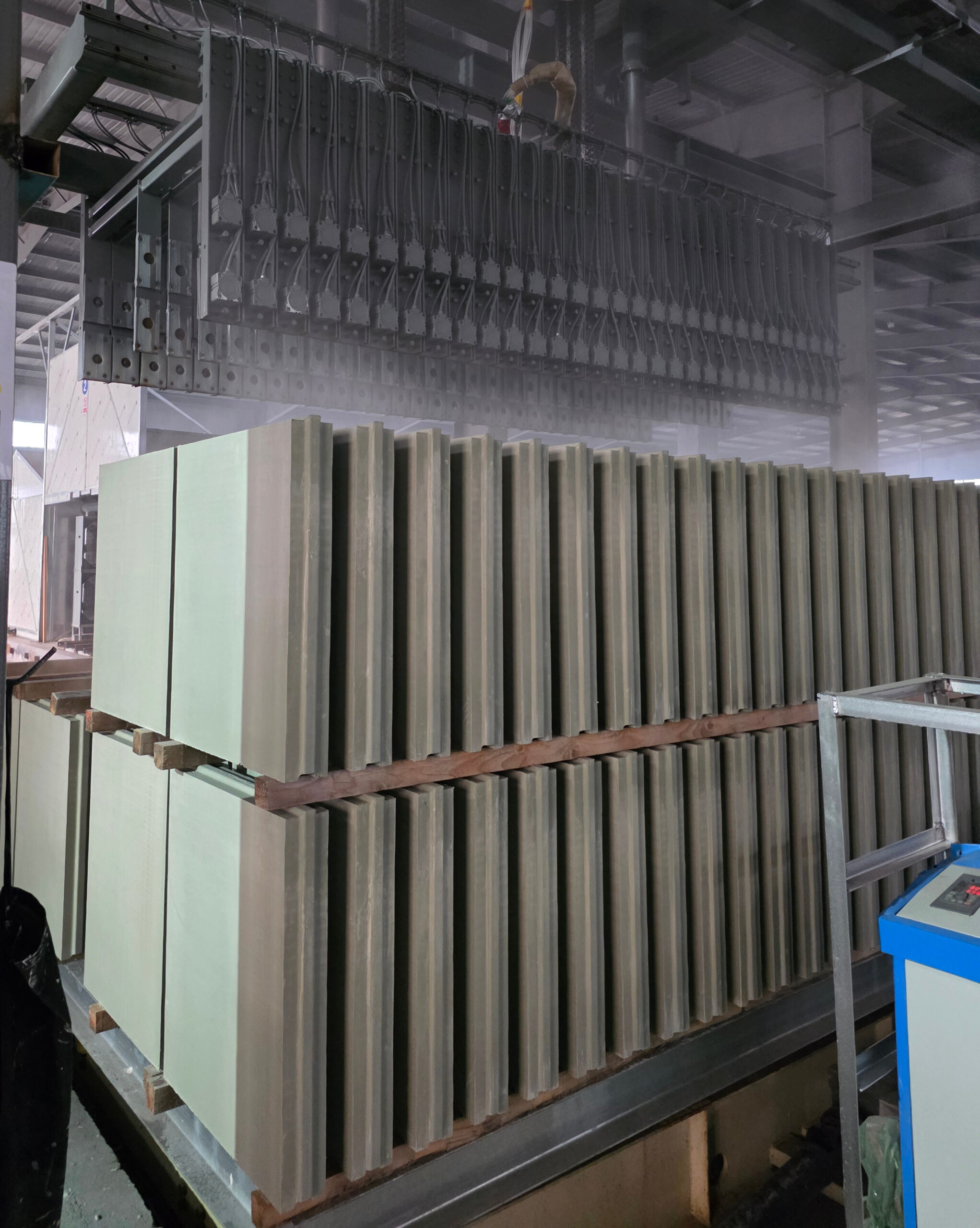
Gypsum block
- Home
- Drymix mortar industry
- Other Industry
- Gypsum block
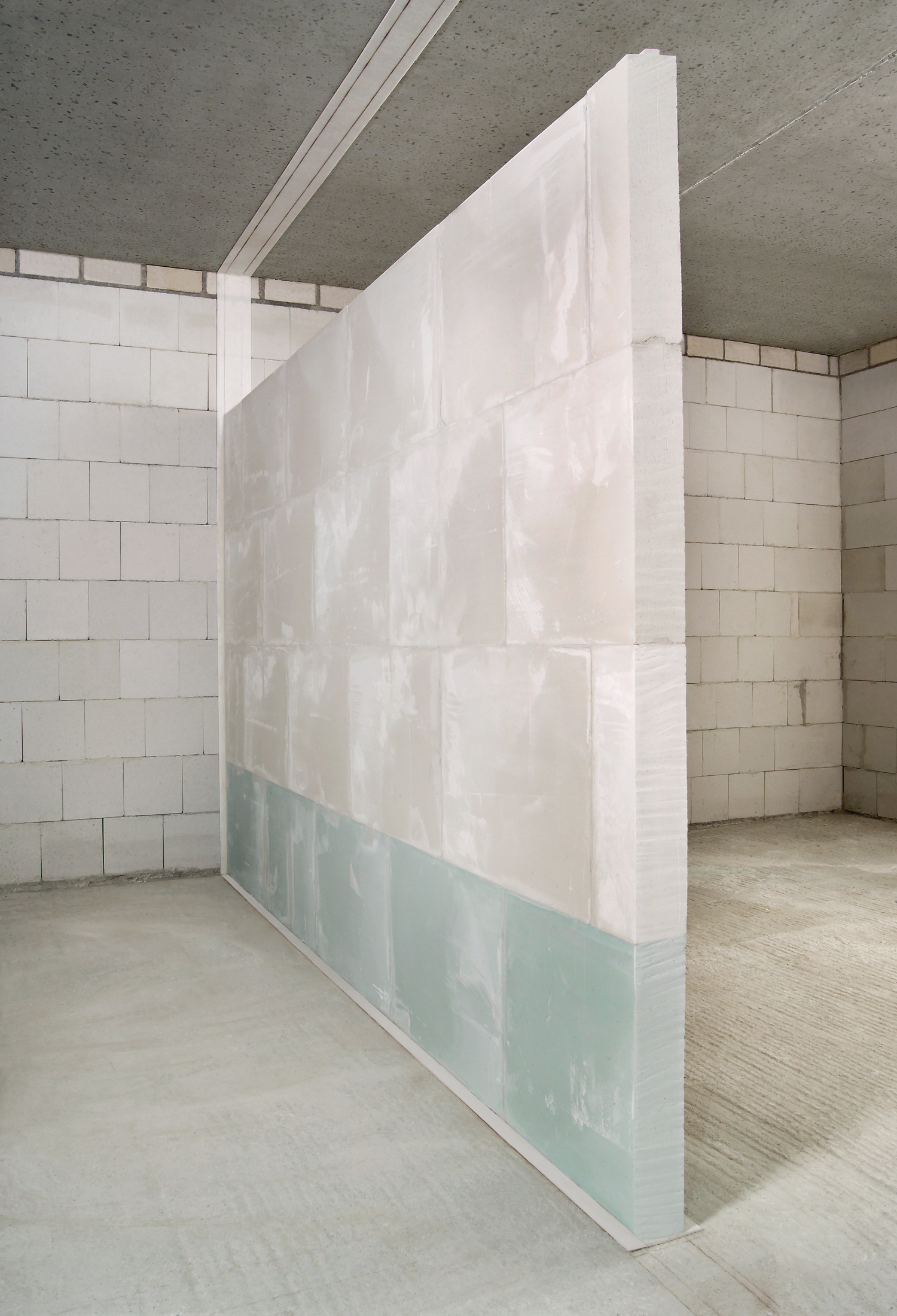
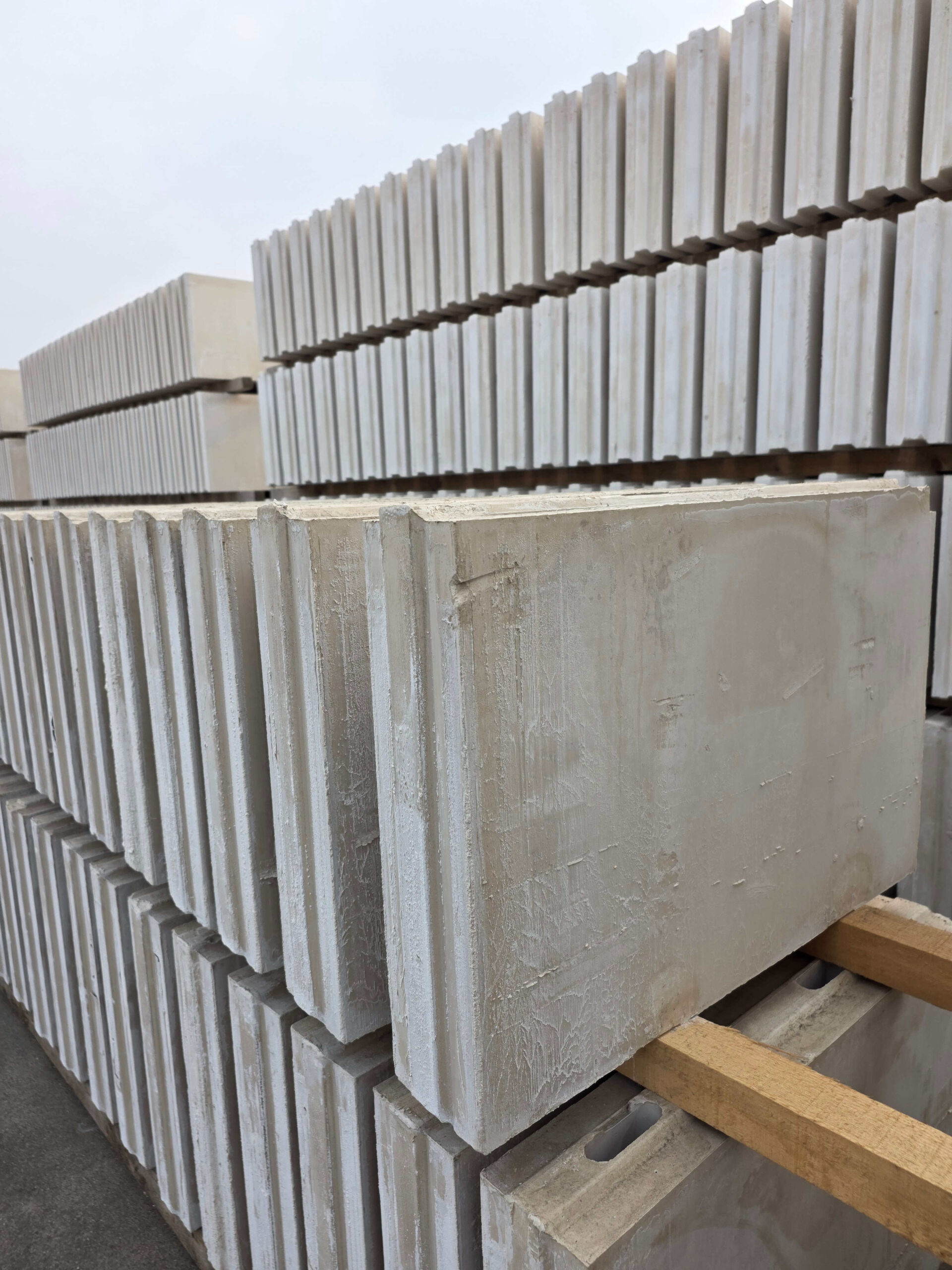
Gypsum blocks are solid or hollow prefabricated building units made from a mixture of gypsum, water and a small amount of additives (such as fibres, water-reducing agents and waterproofing agents). Due to their excellent sound insulation, fire resistance and moisture-regulating properties, they are commonly used for interior non-load-bearing partition walls and as cladding for columns.
Key Advantages and Performance
In modern interior design, gypsum blocks are regarded as a balanced solution between brick walls and drywall (gypsum board):
- Superior Sound Insulation: Compared to lightweight partition boards, gypsum blocks offer better sound insulation due to their higher density (typically 800–1100 kg/m³).
- Passive Fire Protection: Gypsum contains crystalline water; when exposed to fire, the evaporation of water molecules absorbs a significant amount of heat, thereby preventing the spread of flames. An 80 mm thick block typically provides approximately 2 hours of fire resistance.
- Breathability and Humidity Regulation : Gypsum has a porous structure that absorbs excess moisture from the air and releases it when dry, naturally regulating indoor humidity.
- Efficient Installation : The blocks feature a tongue-and-groove design, making installation as simple as building with blocks. As no plastering is required before applying the finish coat, the construction period is significantly reduced.
Common Specifications and Classification
- Standard Type (White): The most commonly used type, suitable for dry areas such as living rooms and bedrooms; density generally ranges from 800–1100 kg/m³.
- Moisture-Resistant/Waterproof Type (Blue or Red): Special water-repellent agents are added during production; specifically designed for damp environments such as kitchens, bathrooms and basements.
- Density Grades: Depending on project requirements, these can be classified as low density (600–800 kg/m³), medium density and high density (1100–1500 kg/m³, typically reddish-brown).
- Thickness Dimensions: Common thicknesses under European standards are 60 mm, 80 mm or 100 mm; the standard block dimensions are typically 666 mm × 500 mm, meaning approximately three blocks cover one square metre of wall surface.
Recommended additives
- Polycarboxylate superplasticizer
- Water repellent
- Defoamer
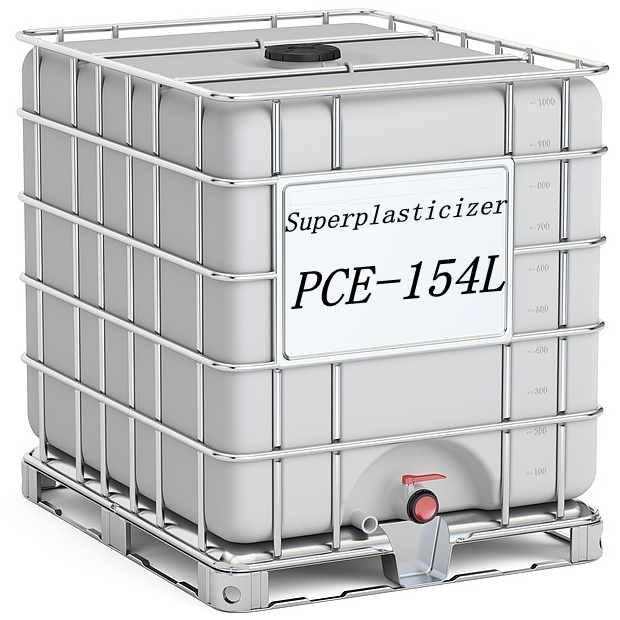
In the production of gypsum blocks, polycarboxylate superplasticizer(PCE) are a key technological means of enhancing both production capacity and quality. As gypsum blocks are precast elements, their production logic differs from that of in-situ concrete, placing greater emphasis on striking a balance between high water reduction and rapid demoulding.
The following outlines the key points regarding the application of polycarboxylic superplasticizer in gypsum blocks:
Core Value: Resolving the ‘Water-to-Cement Ratio’ Dilemma
Theoretically, gypsum requires only approximately 18% water for hydration; however, to ensure the slurry flows into the mould, water content is typically increased to 60%–80%. Once the excess water evaporates, it leaves behind a large number of voids, resulting in low block strength and brittleness.
- Water Reduction and Strength Enhancement: Adding 0.1%–0.3% polycarboxylate can reduce water consumption by more than 20%.
- Performance Improvement: With less water, the interior of the blocks becomes denser, significantly improving compressive strength and hardness, and making the edges less prone to chipping.
- Energy Saving and Cost Reduction: As the moisture content of wet blocks is reduced, the drying time required in the drying chamber is shortened, resulting in substantial savings on electricity or gas bills.
In the production of gypsum blocks, the core function of a water repellent is to alter the physical surface energy of the gypsum blocks, transforming their naturally hydrophilic pores into hydrophobic ones.
Water Repellent for Gypsum Blocks (Core Feature: Comprehensive Water Repellency)
As gypsum absorbs water very easily and softens, the water repellent must provide protection that works ‘from the inside out’.
Silane/Siloxane Emulsion (Liquid):
- Application: The preferred choice for the factory production of gypsum blocks. Added directly to the mixing water.
- Principle: Reacts with the hydroxyl groups during the gypsum crystallisation process to form a hydrophobic film, significantly reducing the water absorption rate (typically from 30% to below 5%).
In gypsum block production, defoamers are a key additive. As polycarboxylate superplasticisers and gypsum are highly prone to introducing large quantities of harmful air bubbles during mixing, the role of defoamers is to eliminate large bubbles and suppress small ones.
Key Functions
- Improving bulk density and strength: Air bubbles act as ‘voids’ within the mortar; eliminating them significantly improves the density of the blocks, thereby increasing compressive strength.
- Improved Appearance: Prevents a ‘pitted’ surface or large-pore bubbles on the block, reducing the need for subsequent repairs.
- Synergy with Water-Reducing Agents: Polycarboxylate water-reducing agents typically possess strong air-entraining properties; they must be blended with defoamers to achieve high-performance gypsum slurries.

FAQ
- 1Common misconceptions about waterproofing agents
“Waterproofing” does not mean “moisture resistance”: Waterproofing agents can repel liquid water (rainwater), but they cannot prevent gaseous water (moisture). In extremely damp environments, ventilation is still required.
Excessive dosage: Waterproofing agents have a certain “lubricating” effect; using too much can make the mortar too slippery, causing it to fail to adhere to the wall during application, or resulting in poor adhesion of the subsequent coat of paint.
- 2Moisture-resistant gypsum blocks (Grade H)
Gypsum blocks are classified into two grades based on their moisture resistance: standard type (P) and moisture-resistant type (H).
Key performance indicators for moisture-resistant gypsum blocks (Grade H)
If you are manufacturing or purchasing ‘moisture-resistant blocks’ (typically green, blue or red) for use in damp environments such as kitchens and bathrooms, they must meet the following three mandatory criteria:
Water absorption rate (24-hour full immersion):
- Requirement: (Standard type is not usually subject to this requirement; water absorption rate can exceed 30%).
- Significance: Ensures that the blocks will not absorb water, become heavier or soften when exposed to prolonged damp conditions.
Softening Coefficient (Most Critical Performance Indicator):
- Requirement: (Standard type requires only ).
- Calculation Method: Refers to the ratio of compressive strength after water saturation to compressive strength in a dry state.
- Significance: A higher value indicates that the gypsum remains more “robust” after water immersion and will not collapse upon contact with water, unlike standard gypsum.


