Plastering gypsum
- Home
- Drymix mortar industry
- Drymix mortars
- Plastering gypsum
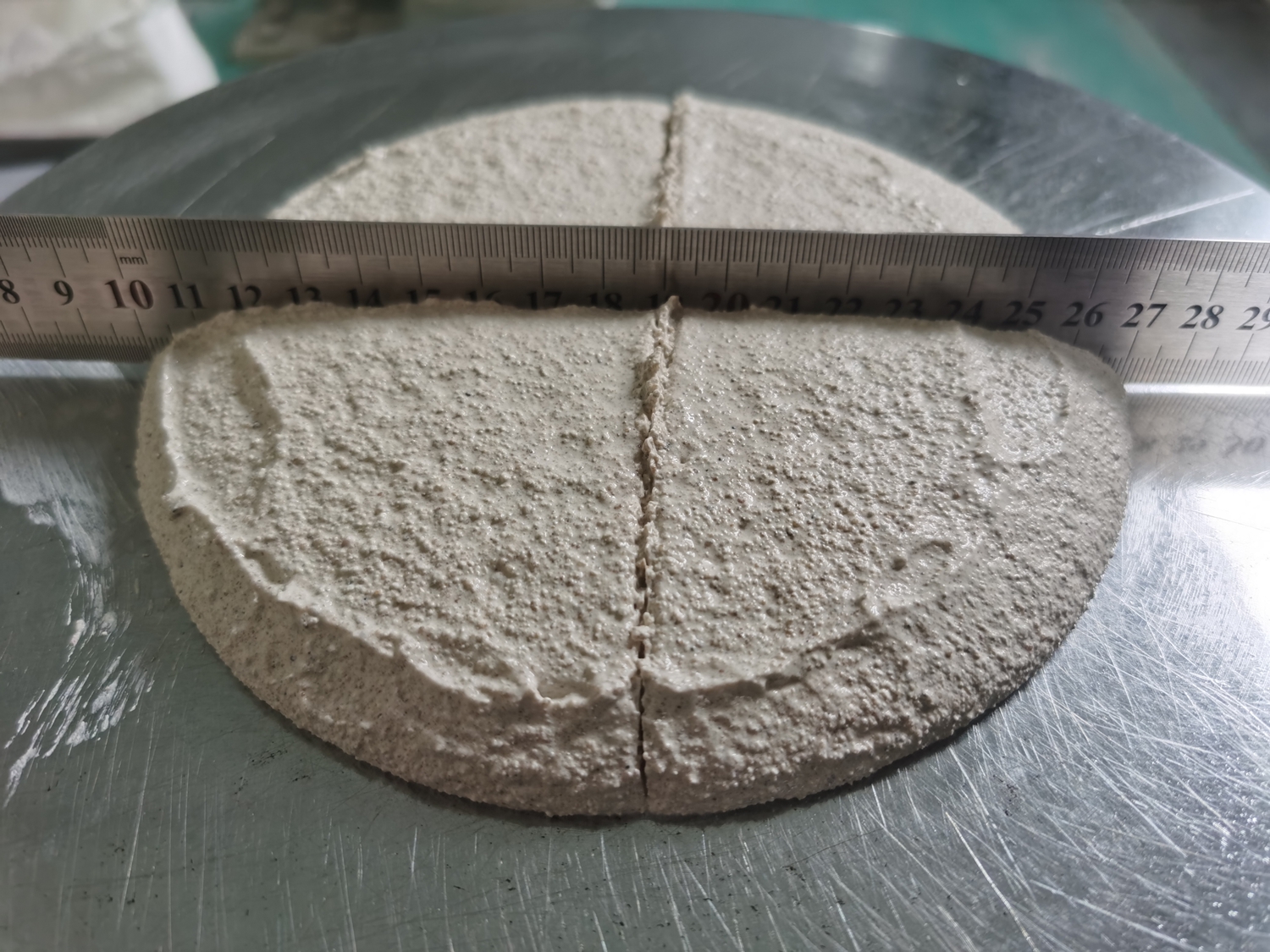
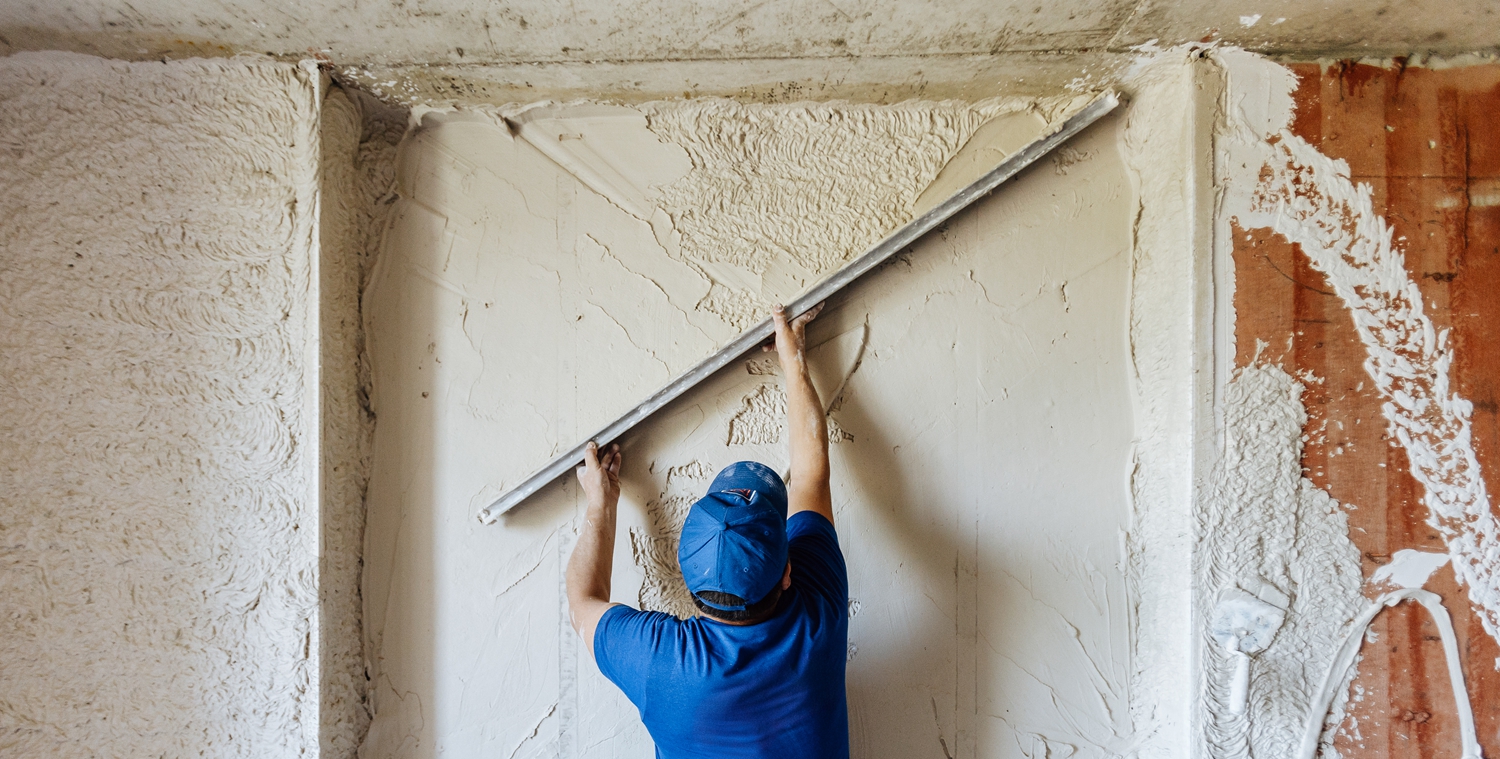
Gypsum Plaster is an interior wall leveling material formulated primarily from building gypsum, combined with sand or expanded perlite and various chemical additives. It is currently the mainstream material that substitutes for traditional cement mortar render and effectively addresses common quality issues such as hollow spots, cracks, and peeling on walls.
Core Classification and Specifications
Based on differences in density and aggregate, gypsum render is primarily divided into the following two categories:
Lightweight Plaster:
- Composition: Uses vitrified microbeads or perlite as lightweight aggregate.
- Features: Low density (typically ≤ 1000 kg/m³), high coverage rate (covers a larger area per unit weight), and excellent thermal insulation, sound insulation, and fire resistance properties.
Heavy-duty Plaster:
- Composition: Primarily uses quartz sand as aggregate.
- Characteristics: Higher density (> 1000 kg/m³), greater compressive strength (≥ 4.0 MPa), typically used for leveling substrates that require high hardness.
The Advantages of Gypsum Plaster as a Building Material
- Gypsum has a slight expansion effect, which helps prevent wall cracking
- Strong adhesion: Gypsum molecules have excellent affinity with wall substrates (such as aerated concrete blocks and concrete), and their tensile bond strength is typically 2–3 times that of cement mortar.
-
High construction efficiency (saves time and labor)
- Fast drying: Cement mortar requires a 28-day curing period, whereas gypsum plaster typically takes 3–7 days to fully dry, allowing the next wall putty step to proceed and significantly shortening the construction schedule.
- Easy to level: Gypsum slurry is fine and smooth, requiring minimal effort to spread, reducing the workload on workers.
- Compatible with machine spraying: When used with a spray machine, application speed can be increased by 3–5 times.
-
High Living Comfort (“Breathable” Function)
- Humidity Regulation: Gypsum has a porous structure. When indoor humidity is high, it absorbs moisture; when the air is dry, it releases moisture. This self-regulating function enhances indoor comfort and prevents condensation and mold on walls.
- Thermal Insulation: Gypsum has a thermal conductivity far lower than that of cement. Combined with lightweight aggregates (expanded glass beads), it provides superior thermal insulation.
-
Lightweight and Eco-Friendly (Reduces Floor Load)
- Significant Weight Reduction: The bulk density of lightweight plastering gypsum is typically only about half that of cement mortar (approximately 800–1000 kg/m³). This not only reduces the total load on the building but also lessens the physical strain on workers.
- Eco-Friendly and Non-Toxic: Gypsum is a natural, eco-friendly material that is non-toxic and odorless, and possesses excellent fire-resistant properties (it releases crystalline water when heated to suppress flames).
Recommended additives
- MHEC/HPMC
- Retarder
- Starch ether
- Air-entraining agent
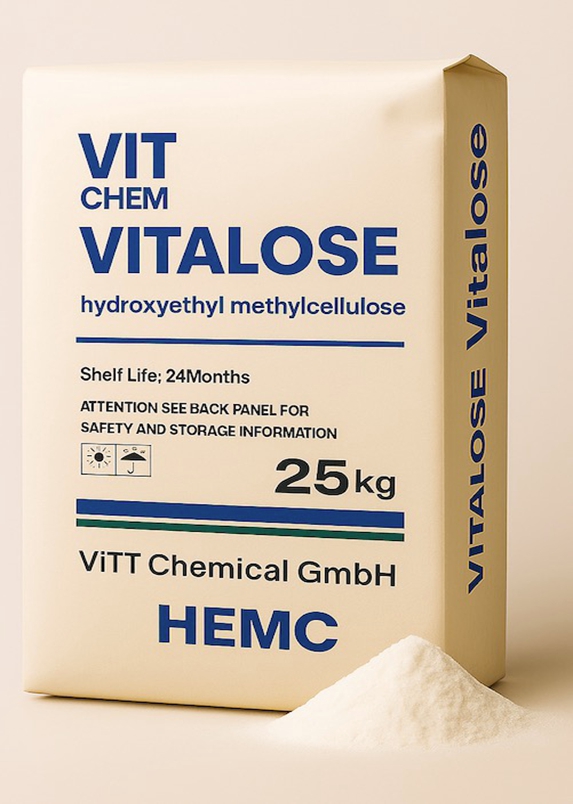
In gypsum render (especially lightweight plastering gypsum), cellulose ethers primarily serve toachieve water retention,thicken, andimprove workability.
1. Recommended Types:
- Manual Plastering: We recommend GME-H22H33 for better sag resistance and body.
- Machine-Applied Plastering: We recommend EMP-23M22 to reduce pumping resistance and prevent pipe clogging.
2. Core Performance Requirements
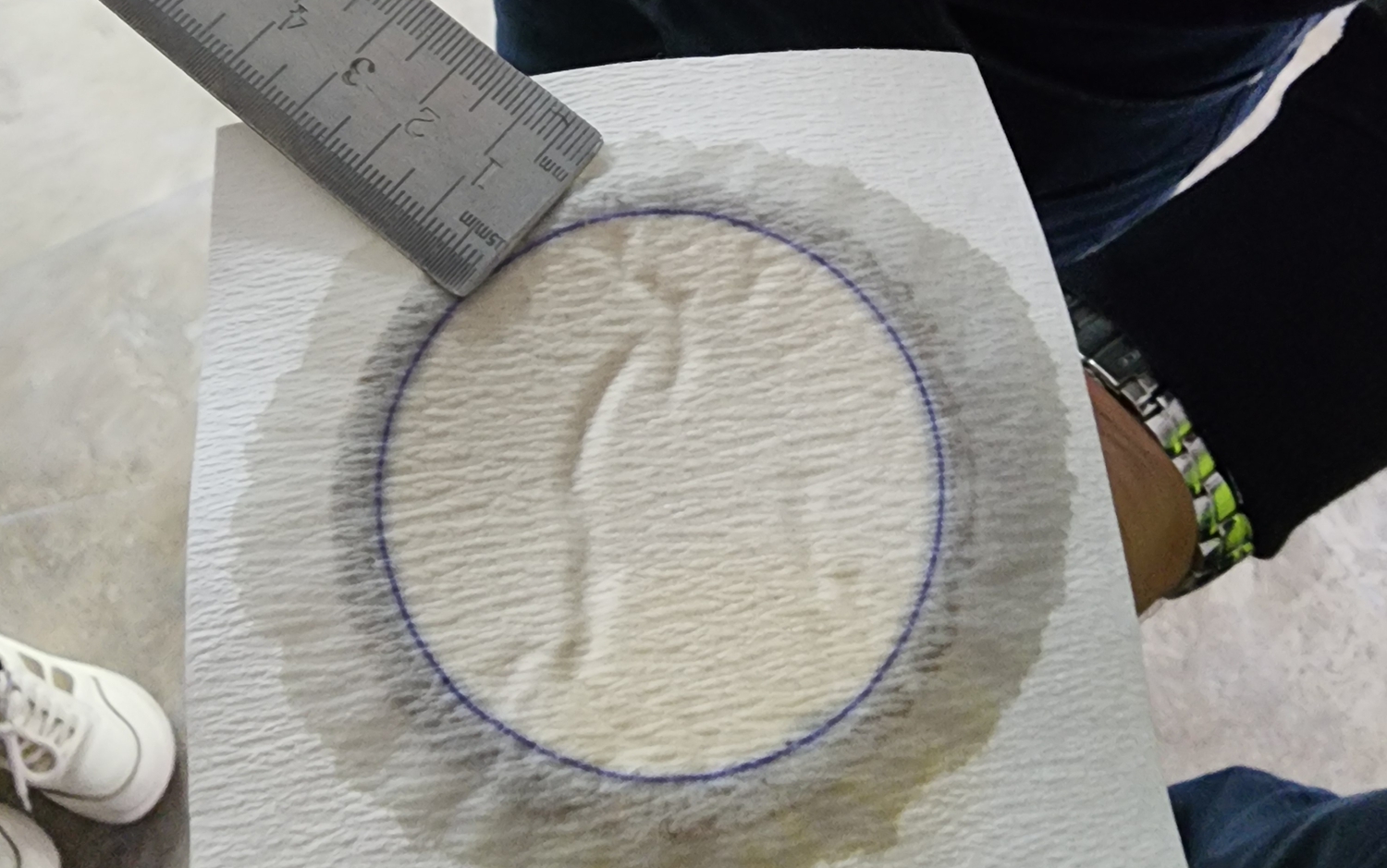
- High Water Retention (Most Important): Gypsum hydrates extremely quickly, and the substrate (such as aerated concrete blocks) has high water absorption. Cellulose ether must firmly lock in moisture to prevent powdering, cracking, and low strength caused by premature water loss in the gypsum.
- Sag Resistance: Plastering layers are typically thick (10–20 mm), so the mixture must not slide off the wall after application.
- Good Lubricity: Improves application feel, allowing the trowel to glide smoothly without sticking.
Gypsum Retarder is a key admixture for adjusting the workability of gypsum. Since building gypsum (hemihydrate gypsum) typically sets and hardens within 3–10 minutes after coming into contact with water, it cannot meet the requirements of actual plastering or leveling applications; therefore, a retarder must be used to extend its working time.
Core Functions
Extend the Working Window: Extends the initial setting time of gypsum from a few minutes to 100–300 minutes, ensuring ample time for leveling and finishing during manual plastering or mechanical spraying.
Reduce the Rate of Hydration Exothermic Reaction: Slows down the heat release during the gypsum crystallization process, helping to reduce early-stage drying shrinkage cracks.
Improve Workability: Maintains good flowing properties and viscosity of the slurry over an extended period.
In plastering mortars, starch ether is typically used in combination with cellulose ether to primarily addressworkabilityandSag Resistanceissues.
Its key functions are as follows:
1. Significantly improves workability (lubricity)
- Non-sticky trowel: While cellulose ether has good water retention, it can sometimes cause a “sticky trowel” sensation. Adding starch ether makes the mortar smoother, significantly reducing resistance when workers push and scrape the trowel, thereby greatly improving application efficiency.
- Full-bodied texture: It gives the mortar a “fleshy” texture, making it easier to compact and level the plaster layer.
2. Enhances Sag Resistance
- Yield Point Control: Plaster is typically applied in thick layers (10–20 mm). Starch ether imparts higher thixotropy to the slurry, meaning: it flows when agitated and stops when at rest. After being sprayed or applied to the wall, the slurry adheres firmly to the surface without shifting or sagging due to gravity.
3. Synergistic thickening effect
- Cost reduction: Starch ether has a certain thickening effect and produces a synergistic effect with cellulose ether. While maintaining the same viscosity, adding a small amount of starch ether can appropriately reduce the usage of the more expensive cellulose ether.
In the formulation of gypsum plaster, air-entraining agents are indispensable “performance enhancers.” Their primary function is to fundamentally alter the physical structure of the mortar by introducing a large number of tiny, independent, and stable air bubbles into the mixture.
The following are the three key functions of air-entraining agents in plaster:
1. Improve “Coverage Rate” (Yield)
This is the most direct economic benefit of air-entraining agents.
- Increase Volume: During mixing, air-entraining agents generate a large number of microbubbles, causing the mortar volume to expand significantly.
- Reduce Density: By displacing water with air, the wet density of the mortar is reduced from the traditional 1200 kg/m³ or higher to approximately 800–1000 kg/m³.
- Save Material and Money: With the same one ton of gypsum powder, adding an air-entraining agent can increase the wall area that can be plastered by 20%–40%.
2. Improved Application Feel (Lubrication and Thixotropy)
“Rolling Ball” Effect: The microscopic air bubbles act like countless nanoscale rolling balls, greatly reducing friction between the mortar and the trowel or piping.
Effortless Application: Workers will find the mortar feels very “soft” and “smooth” when spreading it, significantly reducing physical strain. This is particularly beneficial during mechanical spraying, where it significantly lowers pumping pressure and prevents pipe blockages.
FAQ
- 1Why Citric Acid Should Not Be Used as a Retarder in Plaster
In gypsum render (especially lightweight plastering gypsum and high-strength gypsum), technical experts generally strongly oppose the use of citric acid as the primary retarder. Although it is extremely inexpensive and has a powerful retarding effect, the damage it causes to gypsum performance is severe.
There are four key reasons why it should not be used:
1. Significantly reduces strength
- Crystal Modification: Gypsum hardens through crystallization. Citric acid forcibly alters the growth direction of gypsum crystals, transforming the originally robust needle-like crystals into fine platelet-like or granular structures.
- Consequences: This results in an extremely loose gypsum matrix, causing a significant drop in compressive and flexural strength. After the wall dries, it feels soft to the touch; a light scratch leaves a deep groove, and surface powdering may even occur.
2. Dramatic Drop in Adhesion (Hollows and Spalling)
- Interface Failure: Citric acid inhibits the penetration and crystallization of gypsum into the micro-pores of the substrate (brick walls or concrete), weakening the “grip” between the gypsum layer and the wall.
- Consequences: This is the hidden culprit behind extensive hollowing and large-scale spalling in plastering later on.
3. Extremely Sensitive to Dosage (Uncontrollable Application)
Citric acid is extremely sensitive to changes in dosage. Adding just 50 grams per ton can extend the setting time from 1 hour to 5 hours, or even cause gypsum to fail to set completely.
Environmental Fluctuations: It is highly affected by ambient temperature and the pH of the water. On construction sites, this instability can cause a bucket of slurry to dry out before workers finish applying it, while the next bucket may not harden even by the end of the workday.
4. Impact on Finishing (Alkali Bleeding and Bubbling)
Chemical Residues: Citric acid is an acidic salt that readily absorbs moisture. If added in excess, moisture during subsequent painting with latex paint or wallpapering can trigger a reaction with the citric acid residues, causing the walls to bubble, discolor, or develop mold.
- 2Analysis of Why Plaster Cracks
Cracking in plaster is one of the most common quality defects encountered during construction. Gypsum itself has slight expansive properties and, in theory, is less prone to cracking than cement mortar. However, if cracking does occur, it is typically caused by the following
four key factors:
1. Inadequate substrate preparation (the most common cause)
- Cracking at joints between different materials: For example, at the junction between a concrete shear wall and an aerated concrete block wall, due to the different shrinkage rates of the two materials, a 20–30 cm wide fiberglass mesh must be applied. If no mesh is used, cracking will inevitably occur at this point.
- Omission of primer (wall primer) application: When the substrate has high water absorption (e.g., aerated concrete blocks), if the primer is not applied properly, the moisture in the gypsum will be instantly absorbed, causing incomplete hydration and resulting in drying shrinkage cracks.
2. Construction Environment and Workmanship Issues
- Direct Exposure to Strong Winds (Drafts): During construction or within 24 hours of completion, if windows are left wide open allowing strong winds to blow directly onto the wall, the moisture on the gypsum surface will evaporate too quickly, causing surface tension imbalance and resulting in spiderweb-like cracks.
- Excessively Thick Single-Pass Application: For lightweight plaster, the recommended thickness per application should not exceed 2 cm. If the wall surface has significant unevenness and the plaster is applied too thickly in a single pass, uneven release of internal stresses will cause cracking.
- Re-adding Water (A Major No-No): When workers re-add water to nearly set gypsum slurry, mix it again, and apply it to the wall, this destroys the already formed crystalline framework. Once dry, the plaster will have extremely low strength and be highly prone to cracking.
3. Material Formulation Defects
- Insufficient Water Retention: If the formulation contains an insufficient amount of cellulose ether or if the quality is poor, moisture cannot be retained, causing the gypsum to “dry out” on the wall and develop hairline cracks.
- Inappropriate Retarder Selection: If citric acid is mistakenly used as a retarder, it severely damages the gypsum crystal structure, leading to reduced strength and inducing cracking.
- Low Gypsum Purity: Excessive impurities (such as fly ash or unhydrated gypsum) in desulfurized gypsum cause uneven expansion and contraction.
Applications you may be interested in
Dry-mix mortars
Gypsum plasterboard and bricklaying
Concrete and cement
Cement production
Architectural coatings
Products you may be interested in
Dry-mix mortar additives
Concrete admixtures
Building paint additives
Gypsum plasterboard additives
Contact Us
Sales@Vitchem.de
Our Vision:
ViTchem specialises in construction chemistry, seeking the best solutions to make our clients’ products more efficient, more practical, more appealing, more reliable and more profitable.


