

Precast Concrete
- Home
- Drymix mortar industry
- Concrete Products
- Precast Concrete
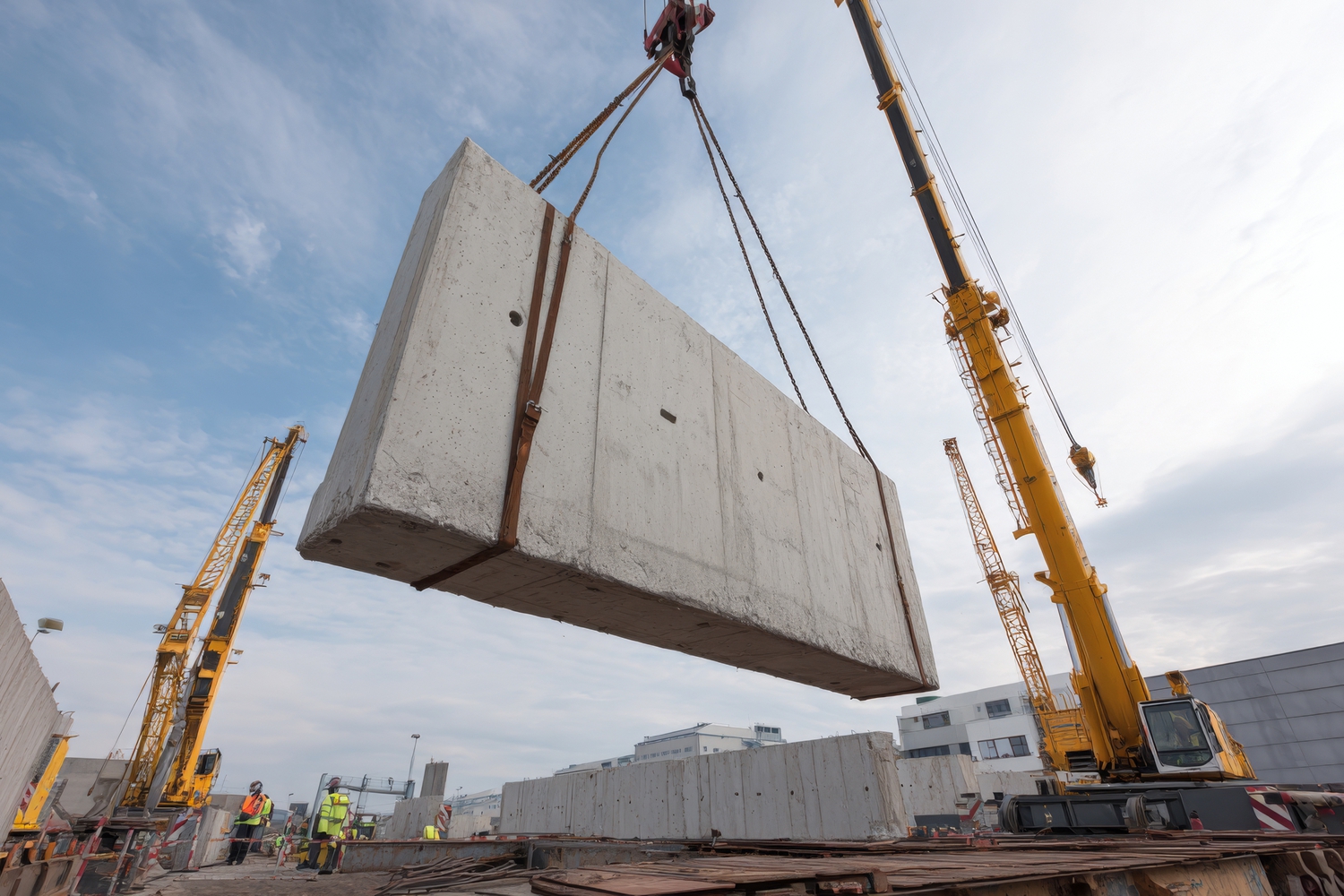
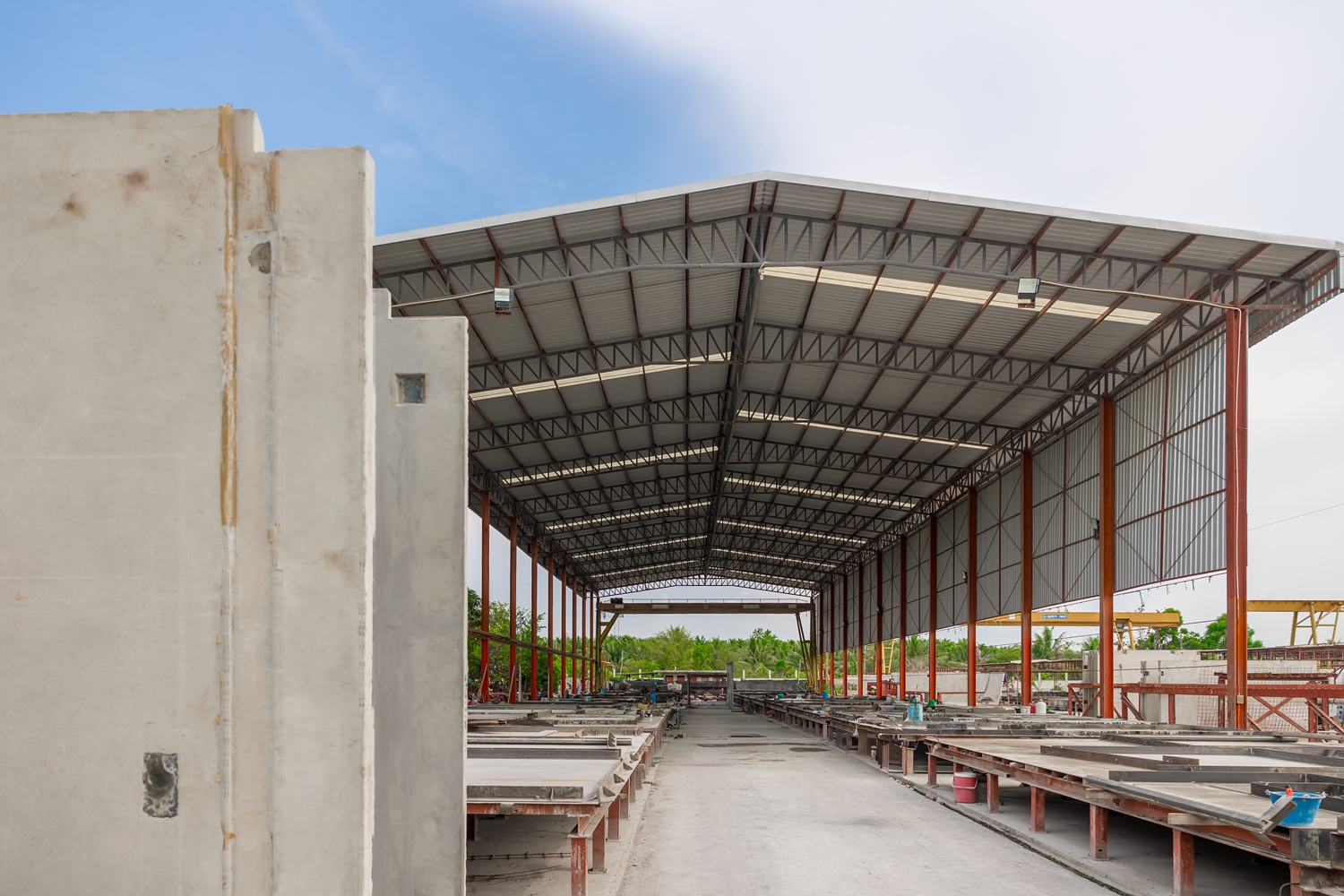
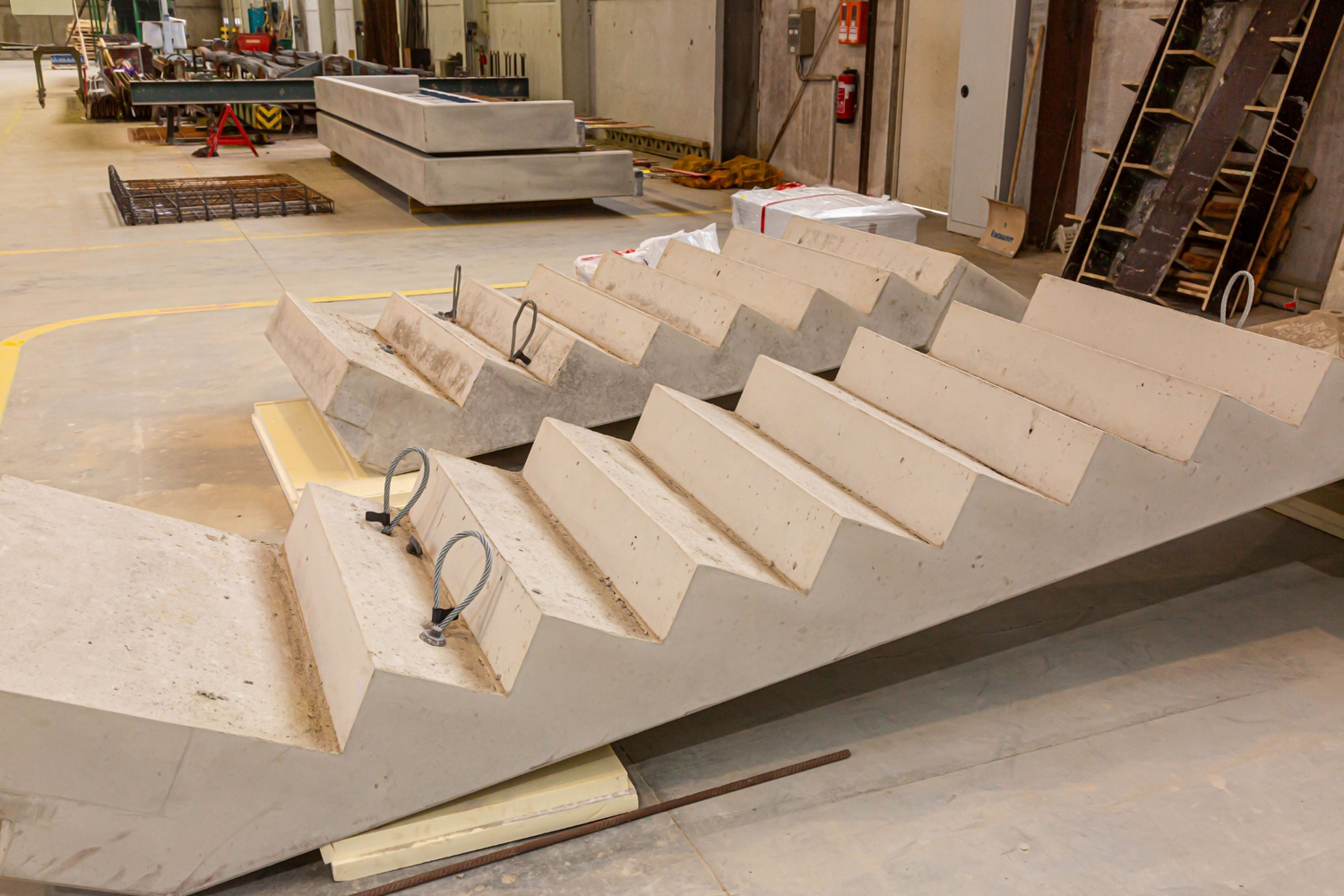
Precast Concrete is a prime example of ‘industrialisation’ in the construction sector. It is cast and formed in a controlled factory environment; once it has cured to the required standard, it is transported to the site for assembly (prefabricated construction).
1. Why is it a trend in the industry? (Key advantages)
- ‘Laboratory-grade’ quality: Factories feature curing chambers with constant temperature and humidity, ensuring extremely uniform concrete strength distribution and a high surface finish (achieving a ‘fair-faced’ effect), with dimensional tolerances typically within the millimetre range.
- Construction time reduced by 30%–50%: Whilst the site is excavating the foundations, the factory is already producing floor slabs, beams and columns. These are transported to the site for direct hoisting, unaffected by rain or snow, resulting in extremely rapid construction.
- Environmentally friendly: Moulds can be reused hundreds of times, significantly reducing the consumption of timber (formwork) on site and the volume of construction waste.
- Enhanced performance: Precast elements can easily incorporate prestressing, allowing for slimmer beams and columns, greater spans and higher load-bearing capacity.
2. Common precast products
- Structural components: Precast beams, precast columns, composite floor slabs, precast staircases (most staircases in mainstream residential buildings are now precast).
- External wall components: RPC external wall panels that combine insulation, decoration and structural integrity.
- Municipal components: Metro tunnel segments, utility tunnels, kerbstones, precast bridge piers.
Recommended additives
- Polycarboxylic superplasticizer
- Release agents
- Viscosity modifying agent
- Defoamer
In the production of precast concrete, the key consideration when selecting a water-reducing agent is ‘speed’—that is, the pursuit of extremely high early strength to achieve a high mould turnover rate (typically requiring the strength required for demoulding to be reached within 12–18 hours).
The following are recommendations for selecting water-reducing agents for precast concrete:
Early-Strength polycarboxylic superplasticizer(Early-Strength PCE),This is currently the standard configuration for modern precast concrete (PC) plants.
- Molecular Design: This polycarboxylic superplasticizer has shorter side chains, allowing cement particles to hydrate rapidly, unlike workability-retarding types which deliberately delay the reaction.
Key advantages:
- Rapid demoulding: Significantly improves compressive strength at 6h and 12h, even without steam curing.
- High workability: Precast elements typically feature dense reinforcement, requiring the concrete to be self-compacting; polycarboxylic superplasticizer provides excellent filling capability.
- Low shrinkage: Reduces cracking caused by drying shrinkage in precast elements, ensuring precise finished dimensions.
Release agents (also known as mould oil) act as a ‘lubricating film’ in the production of precast concrete. Their primary function is to form an extremely thin physical or chemical barrier between the mould and the concrete, ensuring that once the concrete has hardened, the component can be removed from the mould perfectly without chipping or sticking.
Why is a release agent so crucial for precast components?
- Protecting the mould: It prevents cement slurry from corroding steel moulds, thereby extending the service life of expensive moulds (such as aluminium and steel moulds).
- Enhancing surface quality: A good release agent can make the concrete surface as smooth as marble, free from honeycombing and colour variations.
- Reducing damage: It reduces the tensile force during demoulding, preventing ‘chipping’ or ‘tearing’ at the corners of the components.
3. Application Techniques (A Guide to Avoiding Pitfalls)
- Thin is better than thick: More release agent is not necessarily better. Applying it too thickly will result in surface oiling, which, once dry, forms unsightly pits or discolouration. It is recommended to apply using a high-pressure sprayer, then wipe evenly with a mop or sponge, leaving only a faintly glossy film.
- Mould Preparation: The mould must be thoroughly cleaned of dust and rust before application; otherwise, the release agent will mix with impurities and adhere to the concrete surface.
- Drying Time: Allow the solvent to evaporate (usually 15–30 minutes) after application before pouring the concrete; otherwise, the release effect will be significantly compromised.
In the production of precast concrete, viscosity modifiers (VMA) are referred to as ‘quality stabilisers’. Although precast components are typically transported over short distances, the role of VMA is irreplaceable due to the industry’s pursuit of high turnover, superior aesthetics and high-density reinforcement.
The following outlines the core application value and selection criteria for VMA in precast components:
Core Function: Addressing the “surface” and “interior” of precast elements
- Eliminating “water marks” and “sand streaks”: The surface of precast elements is subject to extremely high aesthetic standards. If concrete bleeds water, unsightly sand streaks will appear at the edges of the mould. VMAs lock in moisture, ensuring the paste uniformly coats the aggregate, guaranteeing a smooth surface free from colour variation after demoulding.
- Preventing segregation caused by dense reinforcement: Modern precast components (such as composite beams and rotors) feature extremely dense reinforcement. VMA significantly enhances the cohesion of the paste, ensuring that aggregates pass through narrow gaps alongside the paste without becoming lodged on the reinforcement, thereby preventing “hollows”.
- Supporting self-compacting concrete (SCC): Many complex components are difficult to vibrate, necessitating the use of SCC. VMA is the ‘lifeblood’ of SCC; it balances high flowability with high stability, preventing aggregates from settling at the bottom during self-flow.
- Reducing ‘pitted’ surface porosity: VMA alters the rheology of the paste, making it easier for internal air bubbles to be expelled during vibration, thereby reducing pinholes on the surface after forming.
In the production of precast concrete, defoamers (air release agents) are often jokingly referred to as the ‘beauticians’ of concrete. Precast components (such as precast staircases, wall panels and utility ducts) are subject to extremely high aesthetic standards, typically requiring a finish to the exposed concrete standard.
However, due to the inherent air-entraining properties of high-performance water-reducing agents (particularly polycarboxylate-based ones), a large number of ‘pitted’ surfaces and air voids are easily left on the component surface. The task of the defoamer is to eliminate large air bubbles whilst retaining micro-bubbles.
Core Function: Enhancing ‘Aesthetics’ and ‘Strength’
- Eliminating Surface Voids (Pitting): After formwork removal, precast components often exhibit surface voids with diameters of 2–10 mm.
- Defoamers significantly reduce the surface tension of the slurry, causing large bubbles generated during mixing and vibration to rapidly collapse and be expelled, ensuring a mirror-smooth surface.
- Enhancing structural density: Reducing harmful internal voids improves the density of the concrete, thereby enhancing compressive strength and water resistance.
- Improving colour consistency: With fewer pores, light is reflected more evenly, effectively mitigating visual colour variations caused by surface roughness.
FAQ
- 1What problems are encountered with precast concrete?
In the actual production of precast concrete, issues typically centre on surface defects,dimensional deviationsandearly strength—these three key areas.
Below are the ‘three main categories’ of challenges most commonly encountered in factories, along with their solutions:
1. Surface quality issues (the most obvious cause for complaints)
- Pitting and porosity: The surface is covered with a dense network of small holes after formwork removal.
- Causes: Failure of the defoamer, uneven compaction, or excessive application of release agent.
- Solution: Optimise the formulation of the defoamer, switch to a high-viscosity release agent and apply it in a thin, sprayed coat.
- Colour Variation and Mottling: Components from the same batch vary in shade, or the surface exhibits water streaks (sand streaks).
- Causes: Fluctuations in the water-cement ratio, variations in cement batches, or bleeding.
- Solution: Strictly control the moisture content of aggregates and add viscosity modifiers (VMA) to lock in moisture.
- Efflorescence (white bloom): White powder appears on the surface.
- Causes: Excessive curing humidity or the leaching of salts carried by moisture.
- Solution: Add water-repellent agents, or incorporate alkali-resistant components into the protective coating.
2. Structural and Cracking Issues (Affecting Safety)
- Demoulding Cracks: Angular cracking occurring at the moment of lifting or demoulding.
- Causes: Insufficient early strength (demoulding strength) or adhesion of the release agent.
- Solution: Increase the proportion of early-strength water-reducing agents and extend the static curing time.
- Temperature Cracks (Steam Curing Cracks):
- Causes: Too rapid a temperature rise (exceeding 15°C/h) or too abrupt a temperature drop, resulting in a significant temperature difference between the interior and exterior.
- Solution: Strictly adhere to the ‘curing – heating – constant temperature – cooling’ curve; the constant temperature should not exceed 60°C.
- Lifting Misalignment: Displacement of embedded parts (such as grouting sleeves or diagonal brace embedments).
- Causes: Inadequate formwork securing, or excessive compaction force.
3. Production Efficiency and Process Issues
- Slow formwork turnover:
- Problem: Inability to demould within 24 hours, resulting in insufficient output.
- Solution: Add early-strength admixtures (such as calcium formate), or optimise the cement mix design (increase the proportion of early-strength cement).
- Rapid slump loss:
- Problem: The concrete sets within just 20 minutes of mixing prior to pouring.
- Cause: Insufficient slump retention of the polycarboxylate superplasticiser, or excessively high ambient temperature.
- Aluminium formwork reaction (for aluminium alloy formwork):
- Problem: A reaction between the aluminium formwork and the concrete produces hydrogen gas, resulting in a surface covered with fine, dense bubbles.
- Solution: Apply a specialised release agent for aluminium formwork to create a ‘film’ for passivation.
4. Transport and Connection (On-site Procedures)
- Impact Damage: Chunks chipped off the edges and corners of components during transport.
- Sleeve Blockage: During on-site installation, it was discovered that cement slurry had entered the grouting sleeves, preventing the reinforcing bars from being inserted.
- Incomplete Grouting: The grouting material did not fully fill the connection joints, affecting seismic performance.
- Pitting and porosity: The surface is covered with a dense network of small holes after formwork removal.
- 2How to Address Shrinkage Issues in Precast Concrete?
In the production of precast concrete, due to its high cement content and rapid demoulding (often combined with steam curing), controlling shrinkage is more challenging than with conventional in-situ concrete.
Addressing shrinkage in precast concrete (both drying shrinkage and plastic shrinkage) primarily involves the following five approaches:
1. Optimising the material mix design (addressing the root cause)
- Reducing the water-to-binder ratio: Use polycarboxylate superplasticisers with high water-reduction rates (water reduction >25%) to minimise water content whilst ensuring workability. The lower the water content, the smaller the shrinkage caused by moisture evaporation after drying.
- Increasing the proportion of aggregates: Within the limits permitted by strength requirements, maximise the content and gradation of coarse aggregates (aggregates). Aggregates act as a ‘skeletal’ support, inhibiting the shrinkage of the paste.
- Incorporation of mineral admixtures: Replace part of the cement with high-quality fly ash or slag powder. The ‘ball-bearing effect’ of fly ash not only improves workability but also mitigates hydration heat, thereby reducing autogenous shrinkage.
2. Application of chemical admixtures (targeted solutions)
- Shrinkage-reducing agents (SRA): Admixtures specifically designed to combat shrinkage. It reduces the surface tension of pore water, thereby decreasing the capillary shrinkage pressure caused by water evaporation at the molecular level; this offers the most direct effect.
- Expansive agents (UEA/HEA): These cause slight volumetric expansion during the early hardening stage of concrete, using “positive expansion” to offset “negative shrinkage” (compensatory shrinkage). However, it is important to note that precast elements must have sufficient confinement or reinforcement; otherwise, excessive expansion may lead to cracking.
- Polymer latex powder/fibres: Adding a small amount of polypropylene fibres or steel fibres acts like ‘micro-reinforcement’ to lock cracks in place, enhancing the concrete’s tensile strength and preventing the propagation of shrinkage cracks.
3. Precise control of the steam curing process (critical process)
Steam curing, commonly used in precast plants, is a high-risk period for shrinkage cracks:
- Curing time: After pouring, the concrete must be left to cure for 2–4 hours. Heating should only commence once the concrete has begun to set, to prevent plastic cracks caused by excessive evaporation of surface moisture.
- Control of heating and cooling rates: The heating rate should not exceed 15°C/h, and the cooling rate should not exceed 20°C/h. Sudden temperature fluctuations generate significant thermal stresses, leading to shrinkage cracking.
- Constant Temperature: It is recommended to maintain a constant temperature of 45°C–60°C. Temperatures that are too high (exceeding 70°C) will compromise the concrete’s long-term strength and increase the risk of shrinkage.
4. Moulds and Process Details
- Demoulding Time: Ensure that the precast elements have reached the specified strength before lifting them out of the moulds. Premature demoulding can cause micro-cracks, invisible to the naked eye, to form under the combined effect of the element’s own weight and tensile forces; these may develop into larger cracks over time.
- Minimising Constraints: Check the mould for any dead corners that may impede the concrete’s natural shrinkage, and apply a high-quality release agent to reduce interfacial friction.
5. Post-curing (Final Stage)
- Secondary Curing: Components must not be left exposed to the open air immediately after demoulding. They should be sprayed with curing agent (to form a protective film) or covered with geotextile and watered to keep the surface moist, thereby preventing ‘warping’ and cracking caused by excessive differences in moisture content between the interior and exterior.