

Ready Mix Concrete
- Home
- Drymix mortar industry
- Concrete Products
- Ready Mix Concrete
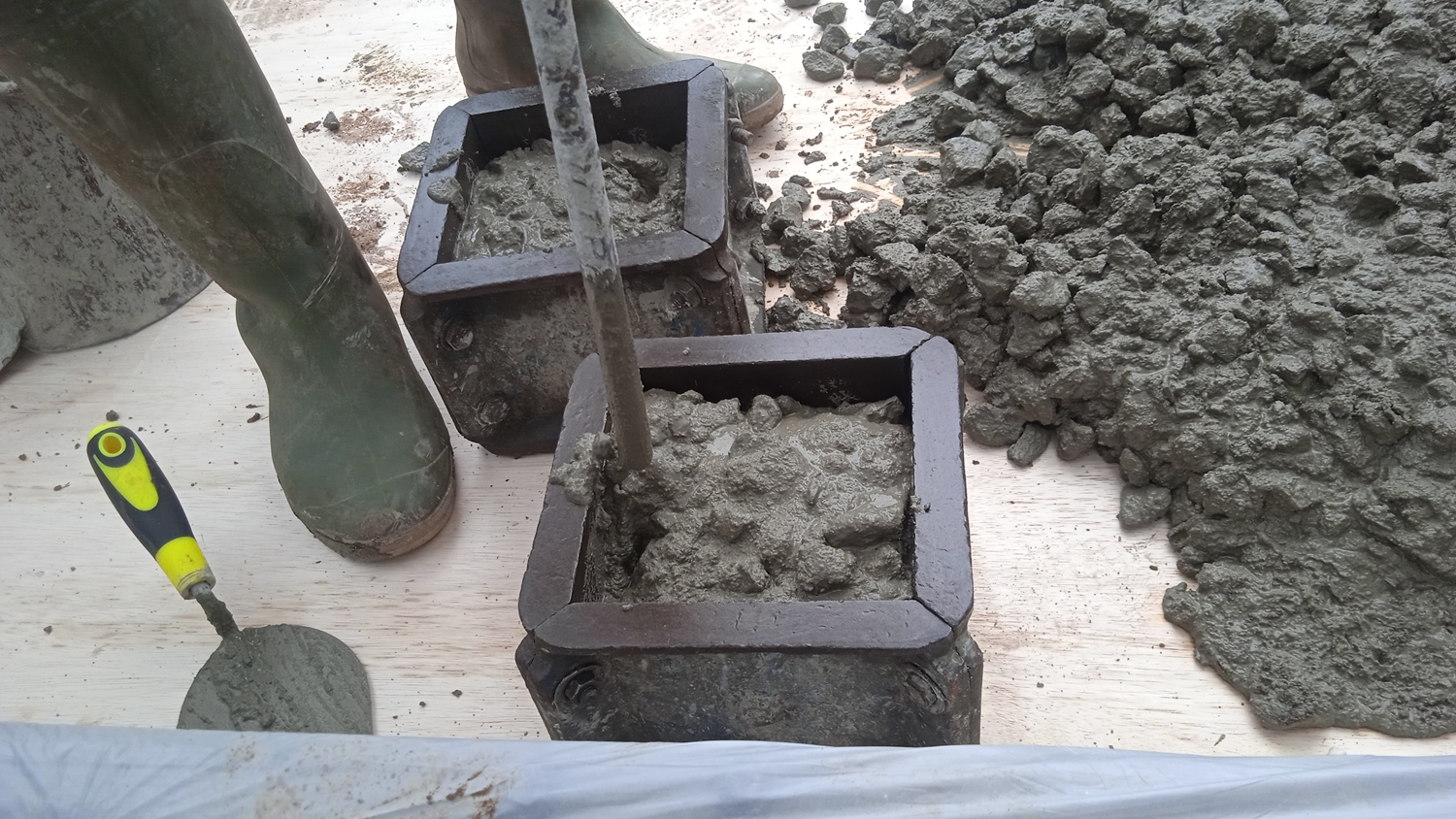
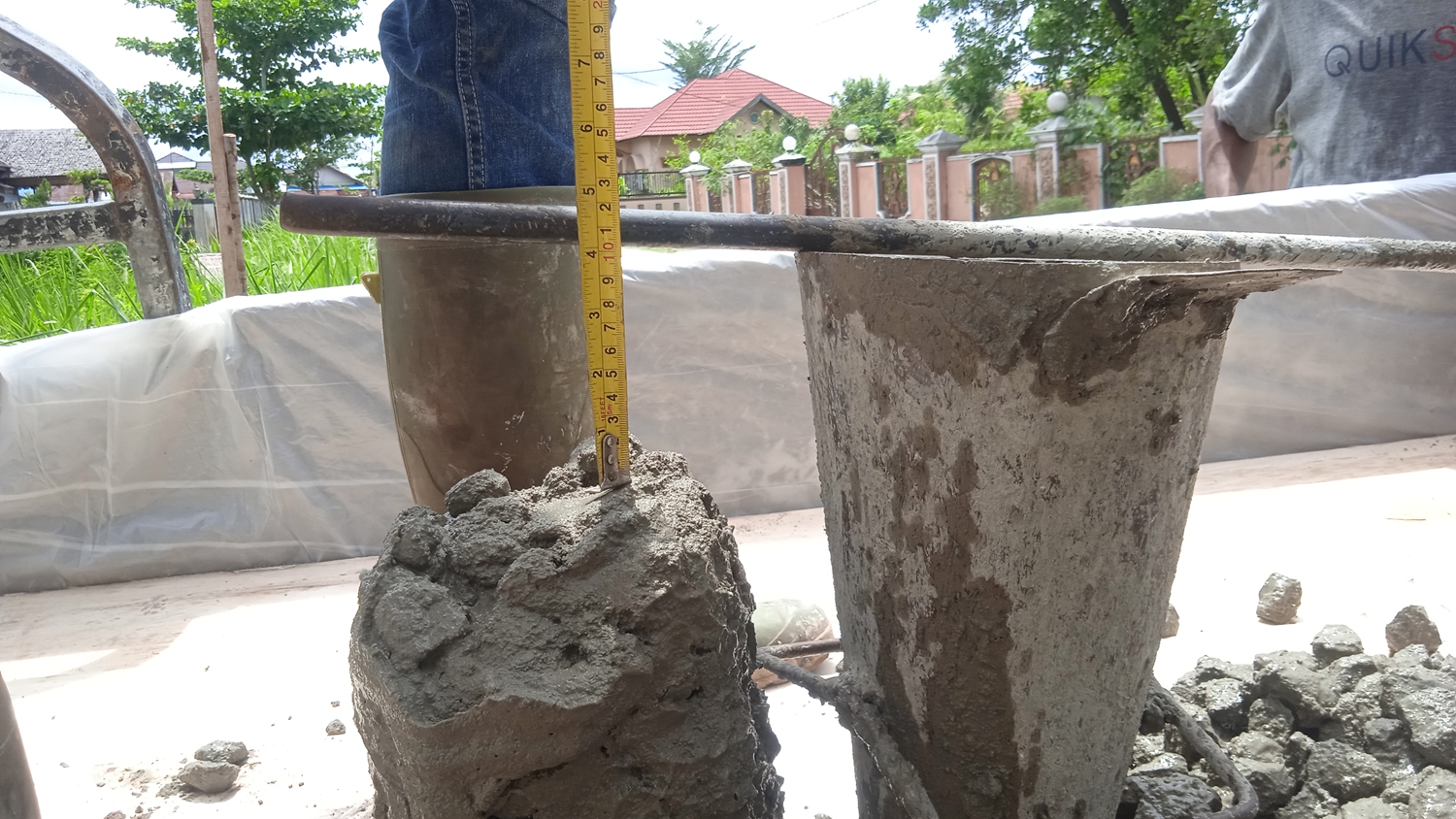
Ready-mix concrete (RMC), commonly known as ‘commercial concrete’, refers to a concrete mixture that is prepared in a factory (batching plant) according to a predetermined mix ratio and transported by lorry to the construction site for use within a specified time frame.
It is the mainstream choice in modern construction engineering and is primarily composed of cement, aggregates (sand and stone), water, mineral admixtures (such as fly ash and slag powder) and chemical admixtures.
Common strength grades and applications
Concrete strength grades are classified according to the standard value of cube compressive strength and are usually denoted by the symbol C followed by the strength value (MPa).
- Low strength grades (C15–C25): Primarily used for non-load-bearing structures, floor screeds, road sub-bases or small foundations.
- Standard strength grades (C30–C45): Core materials for main structural elements such as residential floor slabs, shear walls, beams and columns.
- High-strength grades (C50 and above): Widely used in high-performance engineering projects such as the base levels of super-high-rise buildings, cross-sea bridges, dams and prestressed components.
Core Product Categories
- Standard Concrete: Standard concrete meeting general requirements for strength and slump (typically not exceeding 180 mm).
- High-Performance Concrete (HPC): Possesses extremely high durability and workability, suitable for harsh environments.
- Self-compacting concrete (SCC): Possesses excellent flowability, allowing it to fill complex formwork without vibration, making it suitable for areas with dense reinforcement.
- Fibre-reinforced concrete: Incorporates steel or synthetic fibres to significantly enhance crack resistance and impact resistance.
Key Construction and Curing Parameters
- Setting time: Initial setting time is typically 2–3 hours, whilst final setting time is generally 5–8 hours (significantly affected by admixtures and temperature).
- Slump loss: The time-dependent slump loss during transport should not exceed 30 mm/h to ensure smooth pumping.
- Curing Period: Ordinary cement concrete should be cured for no less than 7 days; concrete with impermeability requirements or containing admixtures requires curing for 14 days or more.
- Strength Assessment: The compressive strength of 28-day standard-cured specimens serves as the acceptance criterion; for mass concrete, this may be extended to 60 or 90 days.
Recommended additives
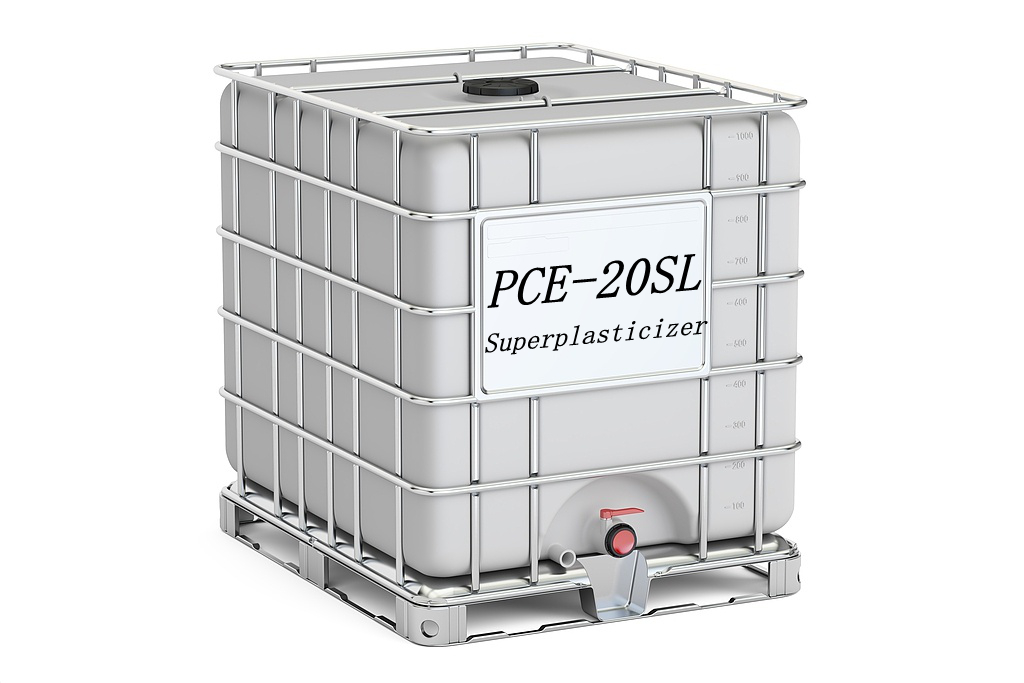
- Liquid polycarboxylic superplasticizer
- Stable rheology agent
- Air-entraining agent
Polycarboxylic superplasticizer (PCE) are the ‘heart’ of ready-mixed concrete; they directly determine whether the concrete can be transported smoothly from the batching plant to the construction site and successfully pumped to high-rise floors.
In ready-mixed concrete, the core functions of polycarboxylic superplasticizer are as follows:
1. Extremely high ‘water-reduction rate’ and ‘strength enhancement’
- Low water-cement ratio: The water-reduction rate of polycarboxylic superplasticizer typically reaches 25%–40%. This means that, whilst ensuring workability, water consumption can be significantly reduced, thereby markedly improving the concrete’s compaction and compressive strength.
- Cost savings: By improving water efficiency, cement usage can be optimised (by incorporating more fly ash or slag powder) whilst maintaining strength.
2. Outstanding “slump retention” performance (key challenge)
Ready-mixed concrete is most vulnerable to “drying out” (loss of slump) during transport.
- Comb-like molecular structure: polycarboxylic superplasticizer molecules possess long side chains which, through “steric hindrance”, prevent cement particles from agglomerating too rapidly.
- Controlled-release technology: Modern polycarboxylic superplasticizer typically contain “slump-retention” components that slowly release their dispersing efficacy over 1–2 hours, ensuring the concrete remains as pumpable upon arrival as it was when freshly mixed.
3. Improved “workability”
- Concrete using polycarboxylic superplasticizer admixtures is typically more “viscous yet non-clogging”, with good enveloping properties, making it less prone to aggregate settlement (segregation) or surface water seepage (bleeding). This is crucial for large-volume pouring and pumped concrete works.
4. Environmentally Friendly
- Unlike traditional naphthalene-based water-reducing agents, polycarboxylic superplasticizer production does not involve the use of formaldehyde and poses no risk of chloride corrosion to reinforcing steel.
In ready-mix concrete and specialised mortars, stable rheology agents (Stable Rheology Agent / Stabiliser) are the key additives for addressing construction ‘nightmares’ such as segregation, bleeding and bedding.
Their primary function is to create a suspension network that keeps aggregates and sand securely suspended within the paste, without significantly increasing viscosity.
Core Function: Maintaining the system’s ‘balance’
- Anti-Segregation: Prevents coarse aggregates from settling, particularly in Self-Compacting Concrete (SCC) or high-flowability concrete.
- Bleeding Control: Traps free water, preventing it from rising to the surface to form ‘slurry’ or forming ‘water pockets’ internally, thereby enhancing interfacial bond strength.
- Improved Rheology: Imparts thixotropy to the slurry (thick when at rest, thin when pumped under pressure), allowing the concrete to flow through pipes as smoothly as silk and reducing pumping pressure.
- Environmental Tolerance: When the silt content of aggregates fluctuates or the gradation is poor, the rheology modifier acts as a ‘buffer’, ensuring that concrete quality does not deteriorate.
Air-entraining agent (AEA) is the ‘micron-scale ingredient’ among concrete admixtures. Its core function is to introduce, through physicochemical processes during the concrete mixing process, a large number of tiny, independent and stable closed air bubbles with diameters ranging from 20 to 200 micrometres.
Core Function: Why add air to concrete?
- Frost-thaw resistance (the primary benefit): In cold regions, water freezing and expanding within the pores of concrete generates immense pressure, leading to cracking. These microbubbles act like ‘cushioning airbags’, providing space for ice crystal expansion and significantly extending the concrete’s frost-thaw resistance.
- Improved workability: The microbubbles act like ‘ball bearings’, reducing friction between sand and aggregate. Even with a low water-cement ratio, they significantly improve the concrete’s flowability and pumpability.
- Reduced bleeding and segregation: The air bubbles support the solid particles, preventing water from rising (bleeding) and aggregates from settling, resulting in a more uniform and dense concrete mix.
- Water resistance: The independent, non-interconnected air bubbles block capillary pathways within the concrete, thereby enhancing its resistance to water penetration.
FAQ
- 1The advantages of polycarboxylic superplasticizer over naphthalene-based water-reducing agents?
In the history of concrete admixtures, polycarboxylate superplasticizers (PCE) are referred to as the ‘third generation’, whilst naphthalene-based water reducers (SNF) are the ‘second generation’. Polycarboxylate superplasticizers have comprehensively surpassed and replaced naphthalene-based water reducers, primarily excelling in the following key areas:
1. A ‘dimension-reducing’ advantage in water reduction rate
- Polycarboxylate superplasticizers : Water reduction rates typically range from 25% to 40% or even higher. This makes it effortless to formulate high-strength concrete with a compressive strength of C60 or above.
- Naphthalene-based water reducers: The maximum water reduction rate is usually limited to 15% to 25%. To achieve higher strengths, the cement content must be increased, leading to higher costs and an increased risk of cracking.
2. Generational Gap in “Slump Retention” Capability (Key to Ready-Mixed Concrete)
- Polycarboxylate Superplasticiser (Long-Acting): Its molecular structure resembles a “comb”; the stereochemical hindrance effect generated by the long side chains prevents cement particles from agglomerating for an extended period. Even after a two-hour transport to the site, the slump shows almost no loss.
- Naphthalene-based water-reducing agents (rapid-acting): These rely on electrostatic repulsion to disperse cement particles, but this force diminishes extremely rapidly. Whilst the slump is often excellent upon leaving the batching plant, the concrete has ‘dried out’ by the time it reaches the site—a phenomenon commonly known as ‘mid-journey failure’—making pumping during construction extremely difficult.
3. More environmentally and human-friendly (green chemistry)
- polycarboxylic superplasticizer: The production process is formaldehyde-free, with no waste liquid discharge, and poses no risk of chloride salt corrosion to reinforcing steel.
- Naphthalene-based water reducers: The production process involves the use of strong acids and large quantities of formaldehyde, posing potential environmental pollution risks. Furthermore, their high sodium sulphate content can easily lead to efflorescence on the concrete surface.
4. Extremely low dosage, high cost-effectiveness
- polycarboxylic superplasticizer: The dosage is typically 0.15%–0.3% by solid content.
- Naphthalene-based water-reducing agents: The dosage typically requires 0.5%–1.0%. Although the unit price is lower, the high dosage means that the overall cost per cubic metre of concrete is not competitive.
5. Low shrinkage, crack-resistant
- Polycarboxylate superplasticisers: These can significantly reduce the dry shrinkage rate of concrete.
- Naphthalene-based water-reducing agents: These often increase the shrinkage of concrete, thereby increasing the likelihood of cracking.
- 2Advantages and disadvantages of naphthalene-based water-reducing agents?
Naphthalene-based water-reducing agents (SNF) As a second-generation water-reducing agent, although they are gradually being replaced by polycarboxylic superplasticizer in cutting-edge projects such as high-speed rail and super-tall buildings,they still hold a firm position in the markets for precast components, pipe piles and low-end building materials.
Below is a comparison of their key strengths and weaknesses:
🌟 Key strengths (Why haven’t they been phased out yet?)
- Exceptional ‘resistance to silt’ (its trump card):
- Polycarboxylic superplasticizer(PCE) is extremely sensitive to the silt content of aggregates; even a slight increase in silt renders it ineffective.
- Naphthalene-based water reducer is not sensitive to silt adsorption. In regions where aggregate quality is poor and silt content is high, naphthalene-based water reducer perform far more consistently than polycarboxylates.
- High early strength:
- Naphthalene-based water reducer significantly enhance the early strength of concrete. In scenarios requiring rapid demoulding, such as precast pipe piles, precast beams and winter construction, naphthalene-based admixtures work exceptionally well in conjunction with steam curing.
- Low cost:
- The production process is extremely mature, and the supply of raw materials (naphthalene, sulphuric acid, formaldehyde) is stable and inexpensive. In low- to medium-strength concrete where performance requirements are not stringent, the cost-effectiveness is unbeatable.
- Wide compatibility:
- It is ‘not fussy’ about different brands or mineral compositions of cement, and rarely exhibits the ‘false setting’ or ‘poor dispersion’ phenomena commonly seen with Polycarboxylic superplasticizer(PCE).
⚠️ Main drawbacks (Why has it been overtaken by Polycarboxylic superplasticizer?)
- Rapid slump loss (fatal flaw):
- Naphthalene-based water reducer rely on electrostatic repulsion to disperse cement, and this force decays extremely rapidly. Concrete begins to set within 30–60 minutes of leaving the mixer.
- Consequences: Unsuitable for long-distance transport (ready-mixed concrete) or construction in hot weather.
- Water-reduction rate limitations:
- The water-reduction rate typically ranges from 15% to 22%. To produce high-strength concrete of C60 or higher, one must add significant amounts of cement, leading to increased costs and a higher risk of cracking.
- Environmental concerns:
- Strong acids and large quantities of formaldehyde are used during production. Under increasingly stringent environmental inspections, manufacturers’ operating space is shrinking.
- Prone to ‘efflorescence’ on the surface:
- Naphthalene-based water reducer contain a relatively high proportion of sodium sulphate (sodium sulphate), which easily leads to efflorescence (whitish deposits) on the concrete surface, affecting its appearance.
💡 Practical Summary: How to Choose?
Choose naphthalene-based water reducer: For precast pipe piles, kerbstones, and rural self-build homes, or when your aggregate has such a high clay content that it would make a polycarboxylate engineer weep.
Choose Polycarboxylic superplasticizer(PCE) admixtures: For commercial pumped concrete, super-high-rise buildings, and exposed concrete, or when long-distance transport is required or high durability is sought.
- Exceptional ‘resistance to silt’ (its trump card):
- 3Why Polycarboxylic Superplasticisers Are the Future
The reason why polycarboxylic superplasticizer (PCE) are described as the ‘ultimate solution’ and the future of the concrete industry is because they not only outperform traditional water-reducing agents in every respect, but also align perfectly with the construction industry’s‘super-high, super-deep, and ultra-long-life’and‘low-carbon and environmentally friendly’development trends.
Here are five key reasons why it is irreplaceable:
1. Structural customisability (molecular scissors)
This is the most revolutionary aspect of polycarboxylic superplasticizer . Unlike the fixed molecular structure of naphthalene-based water reducer, polycarboxylic superplasticizer allows for molecular design akin to ‘Lego bricks’:
- Slump retention: Ensures concrete remains workable for up to three hours during transport under direct sunlight, solving the challenge of long-distance transport.
- Early-strength type: Enables precast components to reach lifting strength within hours, significantly boosting factory efficiency.
- Shrinkage-reducing type: Reduces concrete shrinkage at the molecular level, resolving the persistent issue of building ‘cracks’.
2. Capability to support ‘mega-projects’
With the proliferation of skyscrapers and cross-sea bridges, only polycarboxylic superplasticizer can meet the following extreme requirements:
- Ultra-high pumping: It enables the production of concrete that is ‘highly flowable yet non-segregating’, allowing the slurry to be pumped to heights of over 600 metres as easily as tap water.
- Ultra-high strength: With a water-reduction rate of over 40%, it is the sole option for producing C80, C100 and even UHPC (Ultra-High Performance Concrete).
3. Exceptional durability (centuries-long structures)
- Chloride-free and low-alkali content: polycarboxylic superplasticizer production does not utilise strong acids or alkalis, effectively preventing reinforcement corrosion and ‘alkali-aggregate reaction’ (the ‘cancer’ of concrete).
- Density: An extremely low water-cement ratio leaves virtually no capillaries within the concrete, resulting in exceptional impermeability and frost resistance, extending the service life of structures from 50 years to over 100 years.
4. Green, Low-Carbon and Waste Utilisation
- High Blending Ratio: Polycarboxylates enable concrete to maintain good workability even after incorporating large quantities of industrial waste materials such as fly ash, slag and steel slag, which directly reduces cement consumption (cement production is a major source of carbon emissions).
- Environmentally Friendly Production: The production process is formaldehyde-free and produces no waste liquid, meeting zero-emission environmental requirements.
5. Excellent Economic Balance
Although the unit price of polycarboxylic superplasticizer may appear slightly higher, due to its extremely low dosage (only one-third to one-quarter that of naphthalene-based products), it significantly reduces cement consumption and lowers labour costs during construction. In large-scale industrial production, its overall cost per cubic metre is already more competitive than that of traditional water-reducing agents.