Satin Plaster & Wall Putty

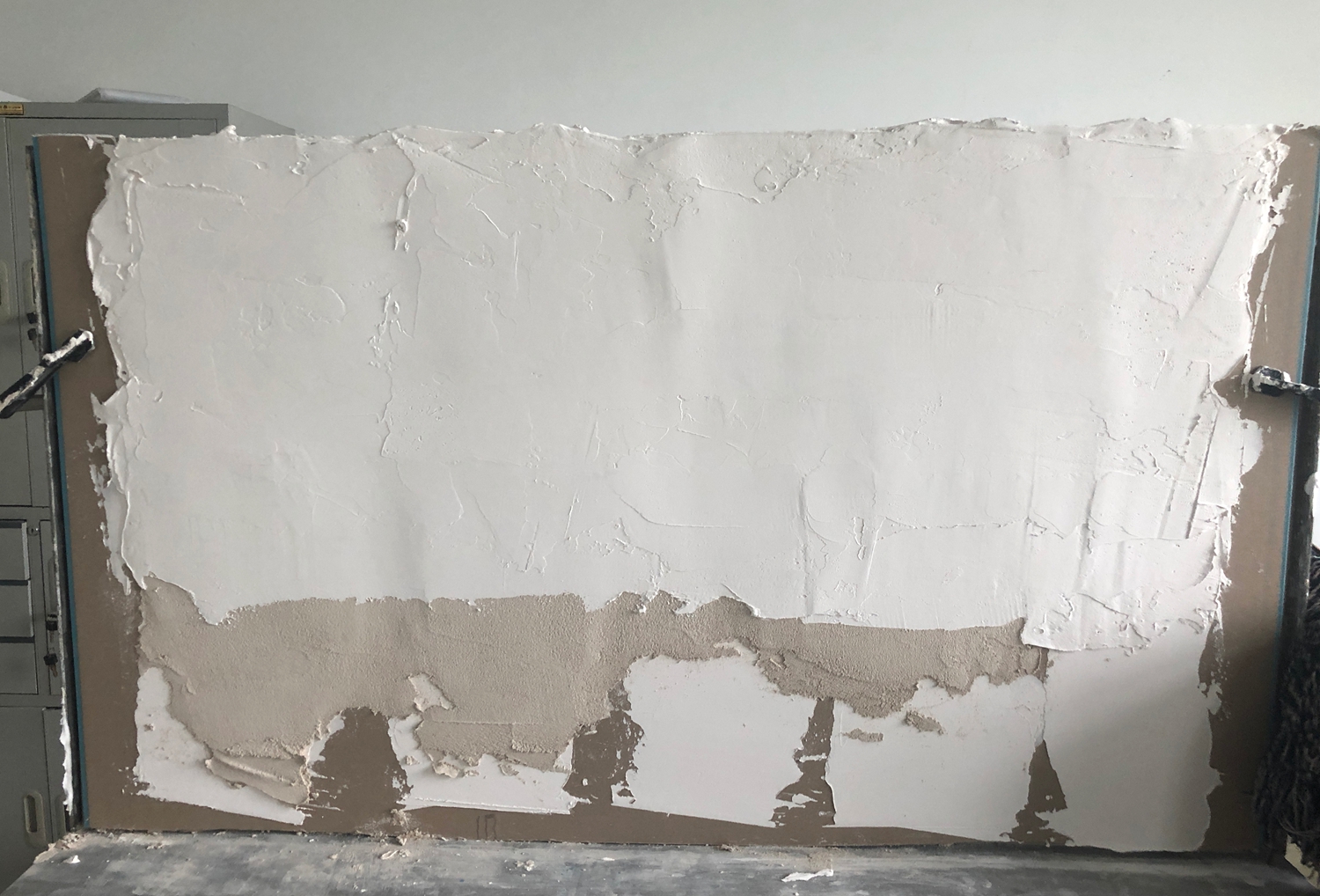
Putty is an indispensable base-coating material in building decoration, primarily used to level walls and repair defects, providing a smooth, solid substrate for subsequent application of emulsion paint or wallpaper.

Depending on the application environment and composition, putty is mainly categorised into the following systems:

Cement-based putty (water-resistant for exterior/interior walls):

  • Composition: White cement, Ground Calcium Carbonate, calcium carbonate powder and polymers.
  • Features: Extremely high hardness, with excellent water resistance and weather resistance.
  • Applications: External walls (mandatory), bathrooms, basements and other damp environments.

Gypsum-based putty (internal wall levelling):

  • Composition: Gypsum powder, Ground Calcium Carbonate and retarding agents.
  • Features: Non-shrinking and crack-free, allows for thick application in a single coat, and dries quickly.
  • Applications: Large-area levelling indoors and for plasterboard joints.

Performance requirements for wall putty

  • Sandability: Once dry, the filler must be easy to sand smooth; it must not be so hard that it cannot be sanded, nor so soft that it crumbles into powder upon sanding.
  • Bonding strength: Ensures that the filler layer does not peel or flake off the wall.
  • Water resistance: Type N (standard) or Type R (water-resistant).
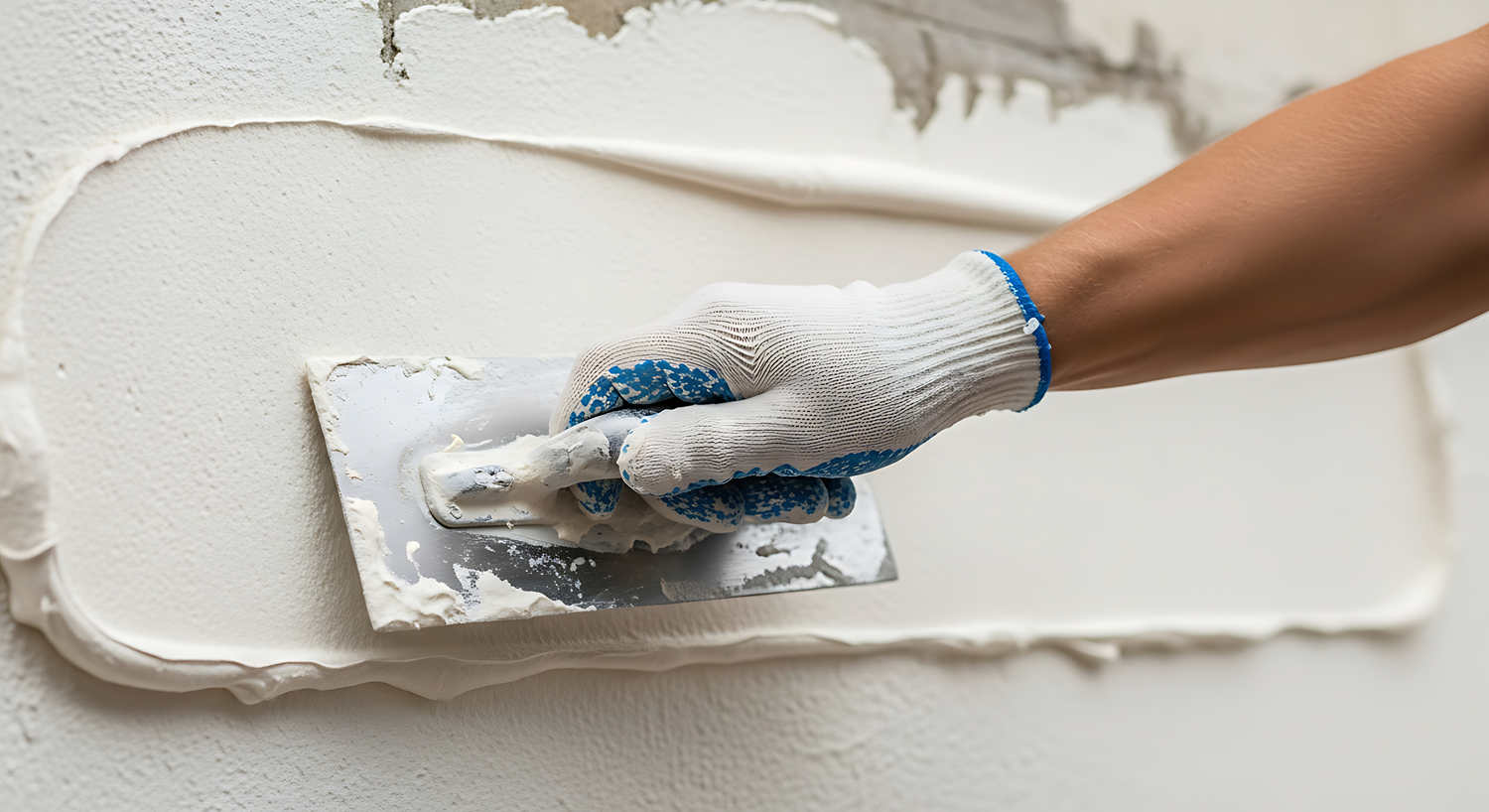
  • Workability: It should feel smooth to the touch when applied, not stick to the trowel, and not run or drip.

Recommended additives

  • MHEC/HPMC
  • Starch ether
  • Powdered cellulose
MHEC/HPMC

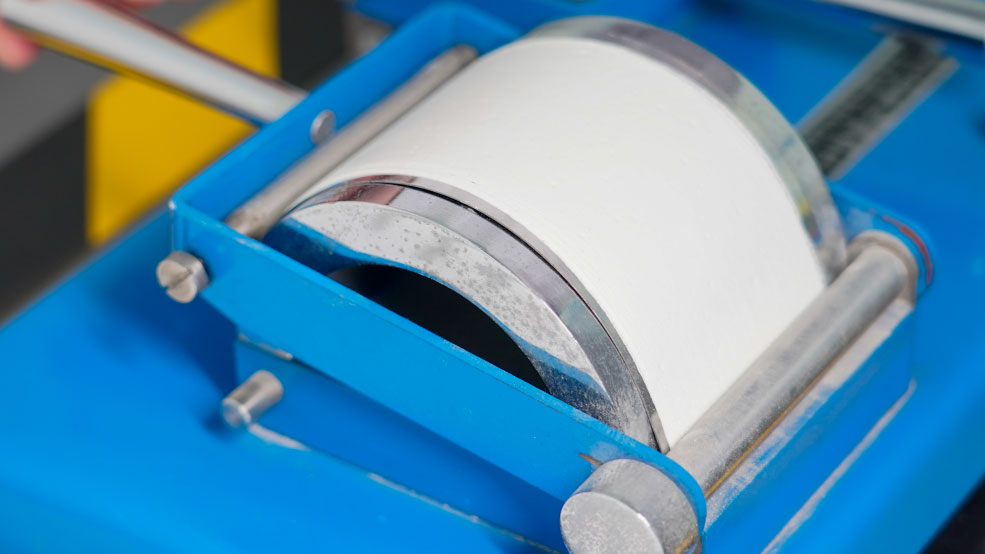
In plastering compounds (whether cement-based or gypsum-based), cellulose ether is the most important water-retaining agent.

Three core functions

Highly effective water retention:

  • Principle: Cellulose ether locks moisture within the slurry, preventing it from being rapidly absorbed by the dry substrate.
  • Result: Ensures that cement, calcium carbonate or gypsum has sufficient moisture for a complete chemical reaction (hydration). If water retention is poor and the plaster dries too quickly, powdering, cracking and flaking will occur.

Thickening and Anti-Sag:

  • Principle: Provides viscosity to the slurry, increasing cohesion.
  • Result: Enables the filler to form a consistent thickness (1–2 mm) during application without running downwards due to gravity, ensuring a smooth finish after application.

Improved Workability (Hand Feel):

  • Principle: Introduces a small, uniform amount of air bubbles during mixing, acting as a lubricant.
  • Result: Workers experience a “light, non-sticky” sensation when applying the filler, whilst also extending the working time of the filler, facilitating finishing over large areas.
 
Starch ether

In skim coat powder (particularly for interior and exterior walls), starch ether is a thixotropic agent used in extremely small quantities (typically 0.03%–0.05%) yet with an immediate effect. It primarily works in synergy with cellulose ether (HPMC) to address issues relating to ‘workability’ and ‘performance’ during application.

The following outlines the key roles of starch ether in putty:

  • Significantly improves resistance to sagging: This is the core function of starch ether. It imparts excellent thixotropy to the putty, ensuring that it does not sag under gravity or form ripples when applied thickly, thereby guaranteeing a smooth wall finish.
  • Optimises application feel (smoothness): Although cellulose ether offers good water retention, it often leaves a slightly ‘sticky’ sensation on the trowel. With the addition of starch ether, application becomes very light and smooth, significantly reducing the physical strain on workers.
  • Enhanced thickening and body: It makes the filler mixture appear fuller and more substantial. With the same amount of water, filler containing starch ether appears thicker and is less prone to separation.
Powdered cellulose

In skim coat powder, Powdered cellulose (Wood Cellulose) is a natural physical modifier. Unlike cellulose ethers (which provide chemical water retention), it enhances the performance of the skim coat through its physical fibrous framework.

The following outlines the core benefits of wood cellulose in skim coat:

  • Superior crack-resistance (core function): Wood cellulose forms a three-dimensional network structure within the skim coat mixture, absorbing and dissipating the shrinkage stresses generated during the drying process of the plaster layer, thereby effectively preventing the formation of micro-cracks (crazing).
  • Improved application feel (rheology): It possesses excellent ‘thixotropy’. During application, the fibres align with the direction of the trowel, making the slurry smooth and non-sticky; when application ceases, the fibres revert to a network structure, rendering the putty more stable.
  • Aiding water retention and preventing sagging: The capillary action of wood fibres allows them to absorb some moisture. Although their water-retention capacity is far inferior to that of HPMC, they can slow down the rate of water evaporation during high-temperature application, enhancing the putty’s sag resistance and facilitating thick-layer levelling.Improving sandability: Adding a small amount of wood fibres to interior wall putty results in a drier, more porous and uniform putty layer, reducing the difficulty of sanding and producing a finer, smoother finish.
 

FAQ

  1. 1
    Key Additives for Gypsum Putty&Satin

    Gypsum is a ‘quick-setting’ material, and its properties must be fine-tuned through the use of additives:

    • Gypsum retarder (amino acid-based): The most critical component. Extends the setting time of gypsum from a few minutes to 60–120 minutes, ensuring workers have sufficient time to apply the product.
    • Cellulose ether (HPMC): Provides high water retention.
      This prevents moisture in the plaster from being absorbed by the wall, which would cause it to ‘dry out’ and become powdery. A viscosity of 40,000–50,000 is typically selected.Redispersible Polymer Powder (RDP): Enhances the bond strength between the plaster and the substrate (such as shear walls or existing plaster layers), preventing hollowing and detachment.
    • Wood Fibre: Improves crack resistance and enhances the smooth glide during application.
  2. 2
    What is cement-based putty?

    Cement-based putty, commonly referred to as water-resistant putty or exterior wall putty, is a substrate levelling material formulated using white cement (or Portland cement) as the primary binder, supplemented with Ground Calcium Carbonate, calcium carbonate powder and various polymer additives.

    It is currently the putty system with the highest strength and longest service life in the construction industry.

    1. Key Performance Characteristics

    Exceptional water resistance (core advantage): Does not flake, powder or soften when exposed to moisture. Water-resistant (Type N) putty must withstand 48 hours of immersion without bubbling or crumbling.

    Extremely high bond strength: Calcium silicate crystals formed by cement hydration interlock tightly with the substrate, with tensile bond strength typically ≥0.5 MPa.

    • Mould-resistant properties: The alkaline environment of the cement-based matrix naturally inhibits mould growth.

    2. Core Components and Additives

    • White cement (Grade 32.5/42.5): Provides basic strength. The dosage is typically 20%–35%.
    • Ground Calcium Carbonate (325–400 mesh): Acts as the main filler, providing coverage and sandability.
    • Calcium hydroxide powder: Helps provide hardness and a smooth finish, whilst enhancing water resistance.
    • Redispersible polymer powder (RDP): Cement-based materials are highly brittle; the polymer powder imparts flexibility, preventing shrinkage cracks and significantly improving adhesion to the substrate.
    • Cellulose Ether (HPMC): Provides high water retention. As cement hydration takes time, HPMC must lock in moisture; otherwise, the filler will dry out rapidly, leading to powdering and cracking.
    • Wood Fibre: Establishes a physical framework, enhancing crack resistance.