
Self-Leveling Mortar
- Home
- Drymix mortar industry
- Drymix mortars
- Self-Leveling Mortar
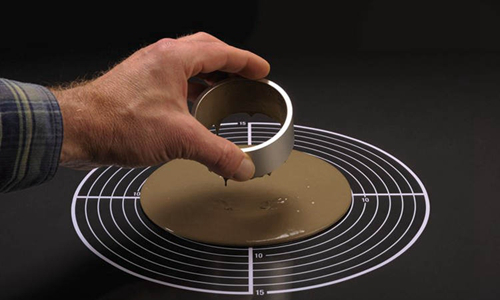
Self-levelling mortar is a dry-mixed powdered material composed of special cement or building gypsum, aggregates, and various polymer additives. When mixed with water, it forms a highly flowing slurry that flows freely across the floor under its own weight, automatically self-leveling and hardening rapidly to create a flat, smooth, and sturdy subfloor.
Main Types and Differences
Self-levelling mortars on the market are primarily divided into two major categories:
- Cement-based self-levelling: High strength (compressive strength up to 6 MPa or higher) and good water resistance. Suitable for high-load environments such as underground garages and industrial plants, or as a subbase for tiles and wood flooring.
- Gypsum-based self-leveling mortar: Offers greater flowing properties, a finer surface finish, and extremely low shrinkage, making it less prone to cracking. It is suitable for large-area leveling in interior home renovations but is sensitive to humid environments.
Advantages of Self-Levelling Mortar
- Ultimate Flatness: The slurry has extremely high ability for flowing and automatically fills low spots on the floor by self-leveling, achieving a levelness far surpassing that of manual plastering.
-
Efficient Application (Shorter Construction Time)
1.Fast Application: A skilled crew can complete 500–1,000 square meters per day.
2.Fast Curing: The surface is walkable within 4–8 hours after application, and the next construction phase can begin after 24 hours, significantly reducing the overall renovation timeline.
- Stable Physical Properties (Crack-Resistant, Hollow-Spot-Resistant)
1.Low Shrinkage: High-quality self-leveling compounds (especially gypsum-based ones) have an extremely low drying shrinkage rate, effectively preventing the cracking and delamination (hollow spots) commonly seen in traditional cement-based leveling.2.High Strength: After hardening, the surface is hard and dense, offering excellent compressive strength and wear resistance, and is not prone to sanding or dusting.
Recommended additives
- MHEC/HPMC
- Redispersible polymer powder
- Polycarboxylate superplasticizer
- Rheology agent
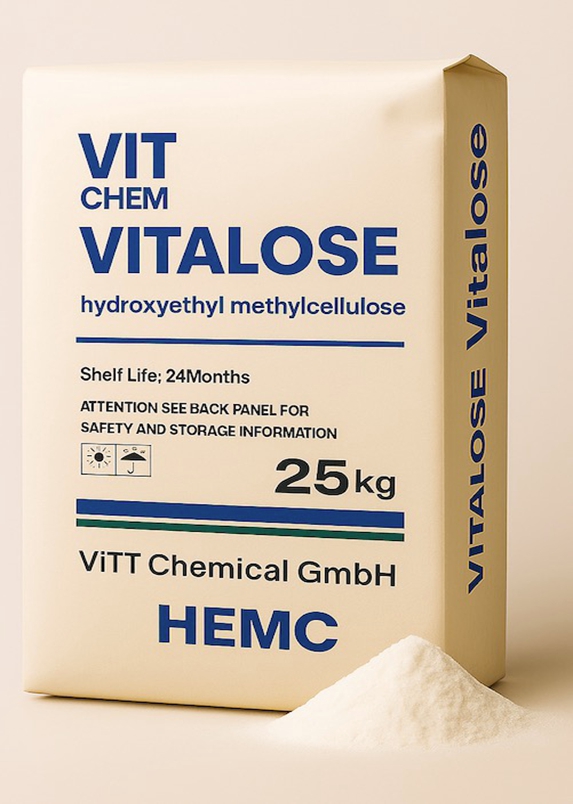
In self-levelling mortars, cellulose ethers (HPMC or HEMC) primarily serve to achieve Water Retention, provide Sag Resistance, and improve workability. Since self-levelling mortars have extremely high requirements for flowability and defoaming, low-viscosity cellulose ethers are primarily selected:
Recommended specifications: MP-50N00/ME-H50N00
Self-levelling mortar must use low-viscosity cellulose ethers, typically within a viscosity range of 400–1000 mPa·s (tested as a 2% aqueous solution).
- Why low viscosity?
- To ensure flowing properties: High viscosity significantly increases the slurry’s thickness, preventing the self-levelling mortar from flowing and thus failing to achieve “self-leveling.”
- Easy degassing: In a low-viscosity environment, air bubbles generated during mixing rise to the surface more easily and burst. If the viscosity is too high, bubbles will become trapped within the mortar, resulting in extensive “honeycomb” pitting on the surface after curing.
In self-levelling mortar, Redispersible Polymer Powder (RDP) is a key additive for enhancing the material’s overall performance. Generally, dispersible polymer powders with good water resistance and abrasion resistance are selected.
Main functions:
- Improve bond strength: Ensures a tight bond between the self-levelling layer and the concrete substrate, preventing delamination or peeling later on.
- Enhances flexural strength and crack resistance: Provides the mortar with flexibility (low elastic modulus), which helps absorb stresses caused by substrate deformation and reduces drying shrinkage cracks.
- Improves flowability and surface density: High-quality Redispersible Polymer Powder facilitates smooth flow of the mixture and forms a dense protective film after drying, enhancing surface abrasion resistance and hydrophobicity.
In the formulation of self-levelling mortar, polycarboxylic superplasticizers are a crucial additive. Their primary function is to significantly enhance theflowing propertiesandself-leveling abilityof the mortarwhile ensuring its strength.
Core Functions
Maximizing Flowability: Superplasticizers break down the flocculation structure between cement particles, releasing trapped water, allowing the slurry to flow freely like a liquid even at extremely low water-to-cement ratios.
Enhancing Strength and Density: By reducing the mixing water content (water reduction typically reaches 20%–30% or more), the hardened floor structure becomes denser, thereby improving compressive strength and wear resistance.
Reducing Shrinkage Cracks: Reduced water content means less drying shrinkage later on, which is key to preventing “spiderweb” cracks in self-leveling floors.
Recommended Products:
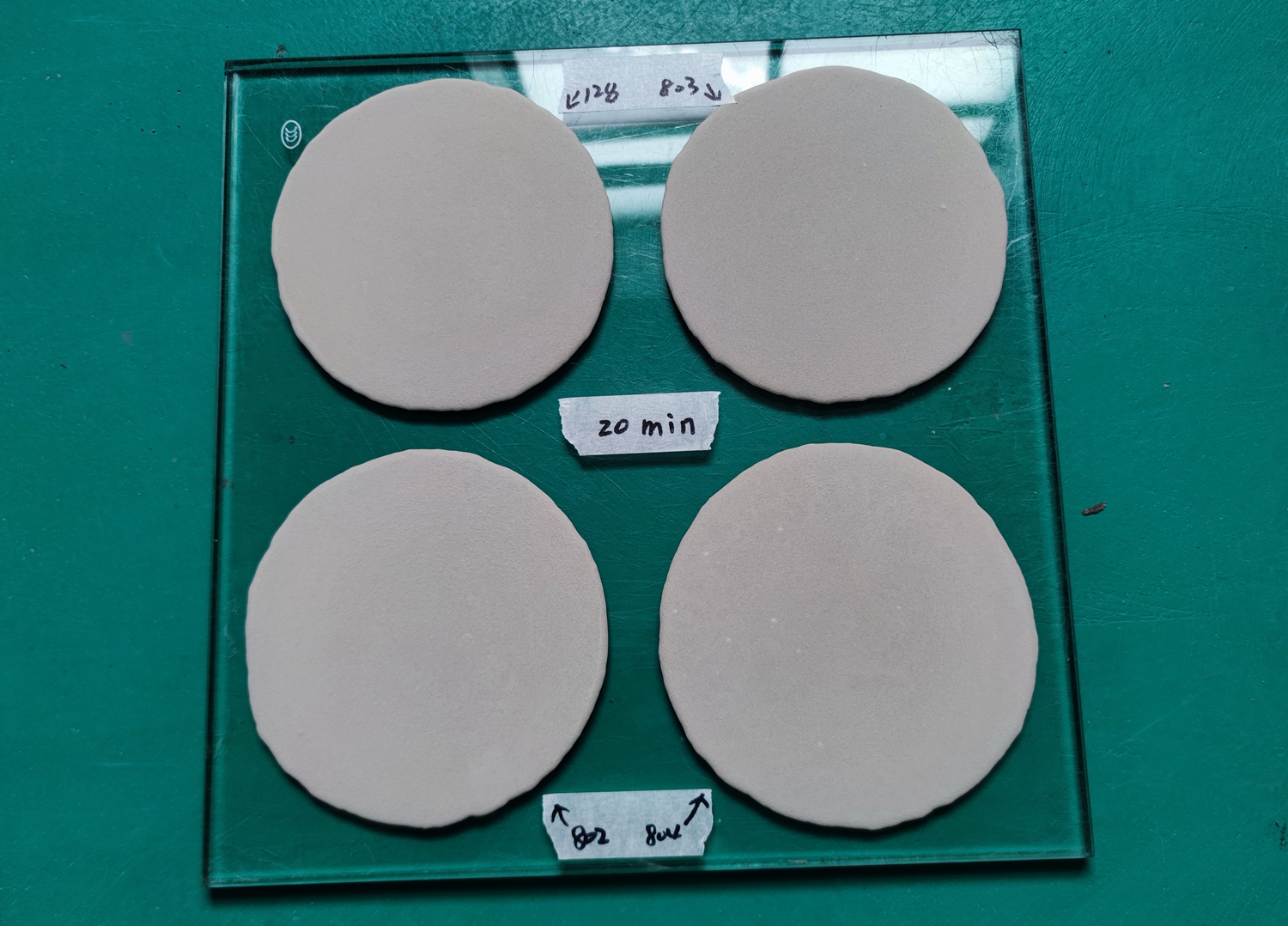
PCE-802P |
PCE-803P |
PCE-906P |
PCE-104P |
In the precise formulation of self-levelling mortar, rheological additives (or “stabilizers”) are typically functional additives composed of polysaccharide compounds.
Core Function
Rheological additives primarily address the common kinetic equilibrium issues encountered during self-levelling application:
- Preventing Bleeding and Settlement: Self-levelling mortar is extremely thin, making it easy for aggregates (sand) to settle and causing surface bleeding, which results in low surface strength. Rheological additives create a weak network structure that suspends the aggregates within the mortar.
- Improving Workability: They provide a “silky smooth” flow, minimizing resistance when the mortar is disturbed by a trowel and allowing it to level out quickly once the disturbance stops.

FAQ
- 1Types of Self-Levelling Mortar
There are many types of self-levelling mortars, which are typically classified based on three core criteria: binder, application, and application thickness:
1. Classification by Binder (Most Common Classification)
This is the key factor determining the mortar’s performance and suitable applications:
- Cementitious Self-Levelling Mortar:
- Features: High strength, high hardness, and good water resistance.
- Disadvantages: Relatively high drying shrinkage; improper application can easily lead to fine cracks.
- Applications: Damp environments (basements, bathrooms), high-traffic areas (warehouses, garages), or as a substrate for tile installation.
- Gypsum-based Self-Leveling Mortar:
- Characteristics: No shrinkage, no cracking, extremely high flatness, wide range of application thicknesses (can be applied thickly).
- Disadvantages: Sensitive to water; cannot be used in environments with prolonged moisture.
- Applications: Backfilling for underfloor heating in home renovations, leveling for wood flooring, and renovation of older homes.
2. Classification by Function
Underlayment Self-Leveling Compound:
- Purpose: Serves as an “intermediate layer.”
- Requirements: Primarily provides levelness; the surface cannot be used directly and must be covered with wood flooring, carpet, or tiles.
Topping Self-Leveling Compound:
- Purpose: Serves as the “finishing layer.”
- Requirements: Must possess extremely high abrasion resistance and compressive strength, with an aesthetically pleasing color; typically used directly as a floor surface when paired with a topcoat (clear varnish). Commonly used in industrial-style offices, exhibition halls, and high-standard cleanrooms.
3. Classification by Application Thickness
- Thin-Layer Self-Leveling Compound: Thickness typically ranges from 2mm to 5mm. Primarily used for fine leveling, requiring a high-quality subfloor.
- Thick-Layer Self-Leveling Compound: Thickness can reach 10mm to 50mm. Commonly used for underfloor heating backfill or floors with significant elevation differences; currently, gypsum-based thick-layer self-leveling compounds are the mainstream option.
4. Specialty Self-Leveling Compounds
Colored Self-Leveling Compounds: Achieve a variety of decorative colors, such as red, green, and gray, by adding inorganic pigments.
Anti-Static Self-Leveling Compounds: Contain conductive fibers and are used in special environments requiring anti-static properties, such as electronics factories and server rooms.
- Cementitious Self-Levelling Mortar:
- 2Analysis of the Causes of Pinholes and Pitted Surfaces in Self-Levelling Mortar
1. Inadequate Substrate Preparation (Main Cause)
- Cause: The floor substrate is loose or contains micro-pores; when the mortar is poured, air is forced out, forming bubbles.
- Solution: It is essential to apply a primer (base coat). The primer seals the capillaries in the substrate to prevent gas from rising and simultaneously enhances adhesion. It is recommended to apply two coats to ensure no areas are missed.
2. Issues with the Selection or Dosage of Defoamers
- Cause: Self-leveling compounds contain components such as Redispersible Polymer Powder and cellulose ether, which are highly prone to generating mechanical bubbles during mixing. If the defoamer in the formulation is of poor quality or insufficient in quantity, the bubbles cannot burst on their own.
- Countermeasures: Select a highly effective powdered defoamer (such as polyether or silicone-based). During laboratory formulation testing, ensure the defoamer can rapidly eliminate foam generated during mixing.
3. Improper Mixing Process
- Cause: Excessive mixing speed or an improperly shaped mixing head, resulting in the incorporation of too much air; or pouring the mixture directly without allowing it to settle and release air after mixing.
- Solution: Use a low-speed, high-power mixer. After mixing thoroughly, let the mixture settle for 2–3 minutes to allow large bubbles to dissipate naturally before application.
4. Omission of the Defoaming Step During Application
- Cause: Failure to use specialized tools after spreading the slurry.
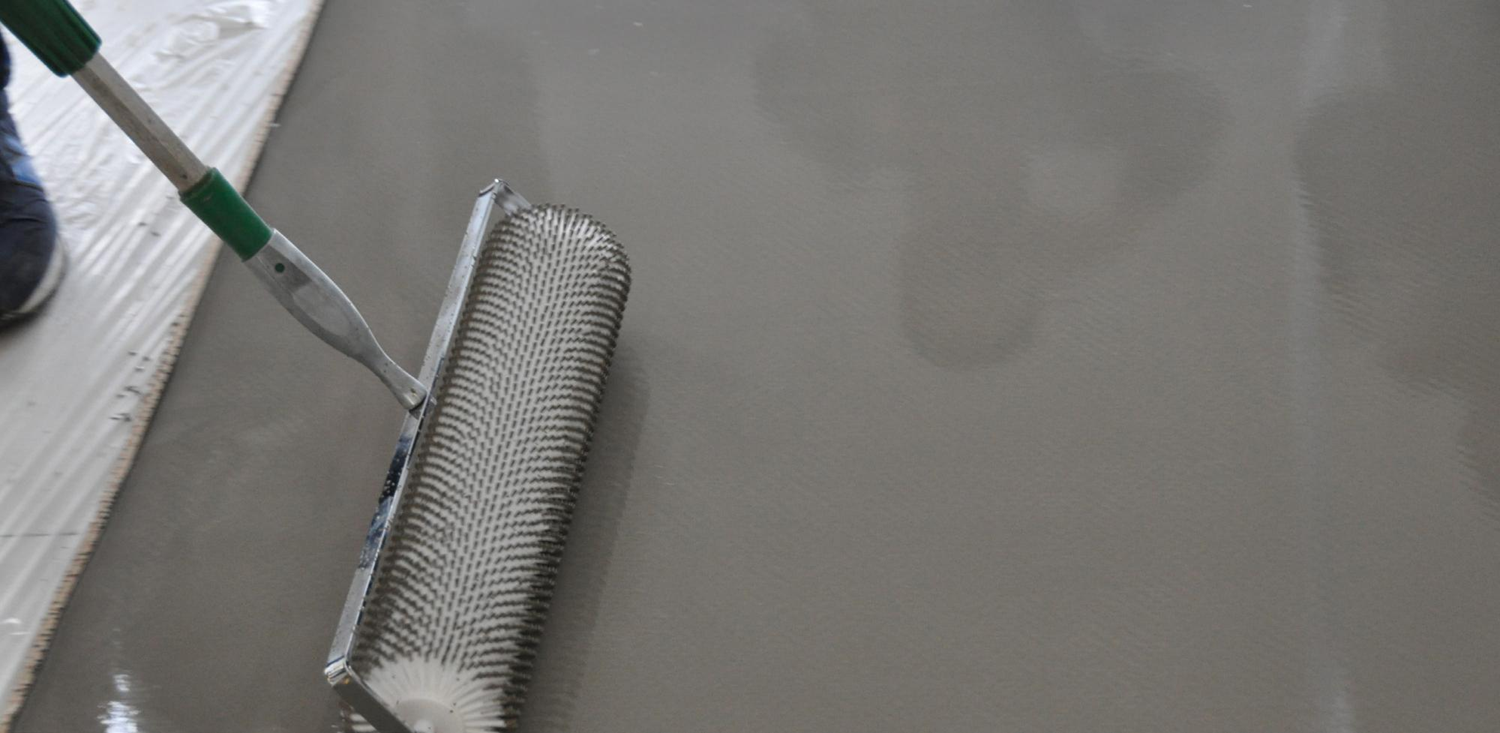
- Countermeasure: It is mandatory to use a de-foaming roller (spiked roller). While the slurry is still fluid, roll it back and forth in the direction of application to forcefully puncture bubbles both within and on the surface of the slurry.
5. Impact of Construction Environment
- Cause: Excessively high ambient temperature or direct exposure to strong winds causes the surface to skin over too quickly, trapping internal bubbles that cannot escape.
- Countermeasure: Close doors and windows during application to prevent drafts, and maintain an indoor temperature between 5–30°C.
Remedial Measures:
- If a large number of bubbles are discovered after the material has completely dried: The surface layer must be ground down using a grinder. After removing dust, apply a thin layer of self-leveling compound or use wall putty to level the surface.
- 3Why Is Self-Levelling Mortar Considered Technologically Advanced?
Self-levelling mortar is described as “technologically advanced” because, among building materials, it is a classic example of a “precision chemical”. Unlike traditional cement mortar, which simply involves mixing sand and cement, self-levelling mortar is an extremely sensitive, multi-component balanced system.
Its technological sophistication is primarily reflected in the following core challenges:
1. Extremely Stringent Rheological Control
- Self-Leveling vs. Slump: Ordinary concrete only needs to hold its shape, but self-leveling mortar requires the mixture to flow automatically like water.
- Dynamic Equilibrium: The technical challenge lies in how to achieve ultra-high flowing properties while maintaining a low water-cement ratio (to ensure strength). This requires precise adjustment of the ratios of superplasticizers, cellulose ethers, and rheology modifiers; adding just one gram too much causes bleeding and sedimentation, while one gram too little renders the slurry immobile.
2. “Zero Shrinkage” and Crack Control
- Volumetric Stability: Cement-based materials naturally shrink as they dry. Since self-leveling screeds are typically only a few millimeters thick, any shrinkage can result in spiderweb-like cracks or detachment from the substrate.
- Compensation Technology: High-quality self-leveling compounds require a complex ternary system formulation—incorporating high-alumina cement, gypsum, and expansive agents—to achieve “shrinkage compensation” and deliver a seamless finish visible to the naked eye.
3. Performance Changes Within an Extremely Short Timeframe
- Application Window: The mixture must maintain liquid-like flowability (without skinning) for 20–30 minutes after mixing.
- Rapid Hardening: Once applied, the material must rapidly develop strength within 4–6 hours to reach a hardness suitable for foot traffic. This contradictory control of “slow initial setting followed by rapid final hardening” places extremely high demands on the synergy of chemical additives.
4. Complex Multi-Component Synergy (Formulation Science)
A mature self-leveling formulation typically contains 10–15 raw materials:
- B Binding MaterialsB : The proportions of Portland cement, high-alumina cement, and anhydrous gypsum determine the strength.
- B Functional AdditivesB : Defoamers, retarders, earlyaccelerators, dispersible polymer powder, wetting agents, etc.
- Physical and chemical reactions occur between these additives; even a slight variation in the purity of a single additive can cause bubbles to form or the surface to powder during application.
5. Technology for Adapting to Substrates
- Self-leveling mortar must not only be strong in itself but also be able to “grip” existing floors. This involves interfacial science; one of the core technologies is how to use Redispersible Polymer Powder to form a flexible polymer film during the drying process, thereby enhancing adhesion to various substrates.
Summary:
Self-levelling mortar is not the product of “brute force,” but rather a combination of materials science and engineering. It has an extremely low tolerance for errors in raw material stability (such as sand gradation and cement reactivity) and formulation precision; even the slightest deviation can lead to construction failures.
Applications you may be interested in
Dry-mix mortars
Gypsum plasterboard and bricklaying
Concrete and cement
Cement production
Architectural coatings
Products you may be interested in
Dry-mix mortar additives
Concrete admixtures
Building paint additives
Gypsum plasterboard additives
Contact Us
Sales@Vitchem.de
Our Vision:
ViTchem specialises in construction chemistry, seeking the best solutions to make our clients’ products more efficient, more practical, more appealing, more reliable and more profitable.