

Joint Filler
- Home
- Drymix mortar industry
- Drymix mortars
- Joint Filler
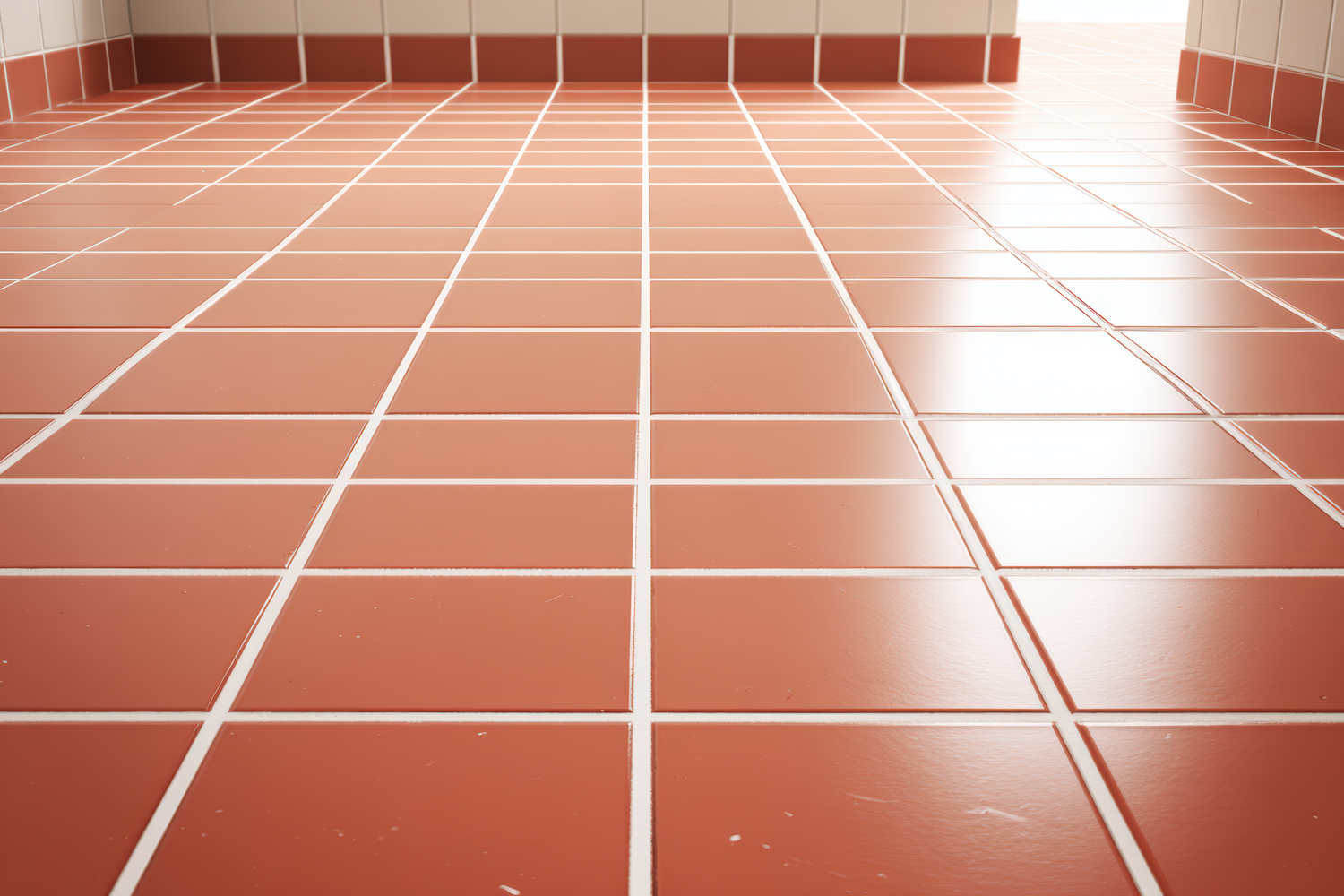
Cement-based groutis the most traditional joint-filling material used in interior decoration. It is made from white cement as a base, mixed with polymer modifiers, pigments and fine sand, and is primarily used to fill the joints between tiles and stone.
Depending on the coarseness of the particles, it is divided into two main categories:
- Sandless type: With a fine powder consistency, this is suitable for extremely narrow joints of 1–3 mm. The advantage is that it does not scratch tiles (such as high-gloss glazed tiles); the disadvantage is that it has a slightly higher shrinkage rate, making wider joints prone to cracking.
- Sanded type: Containing fine quartz sand, this offers high strength and low shrinkage, making it suitable for wider joints of 3–12 mm (such as antique-style tiles, cultural stone and external wall tiles).
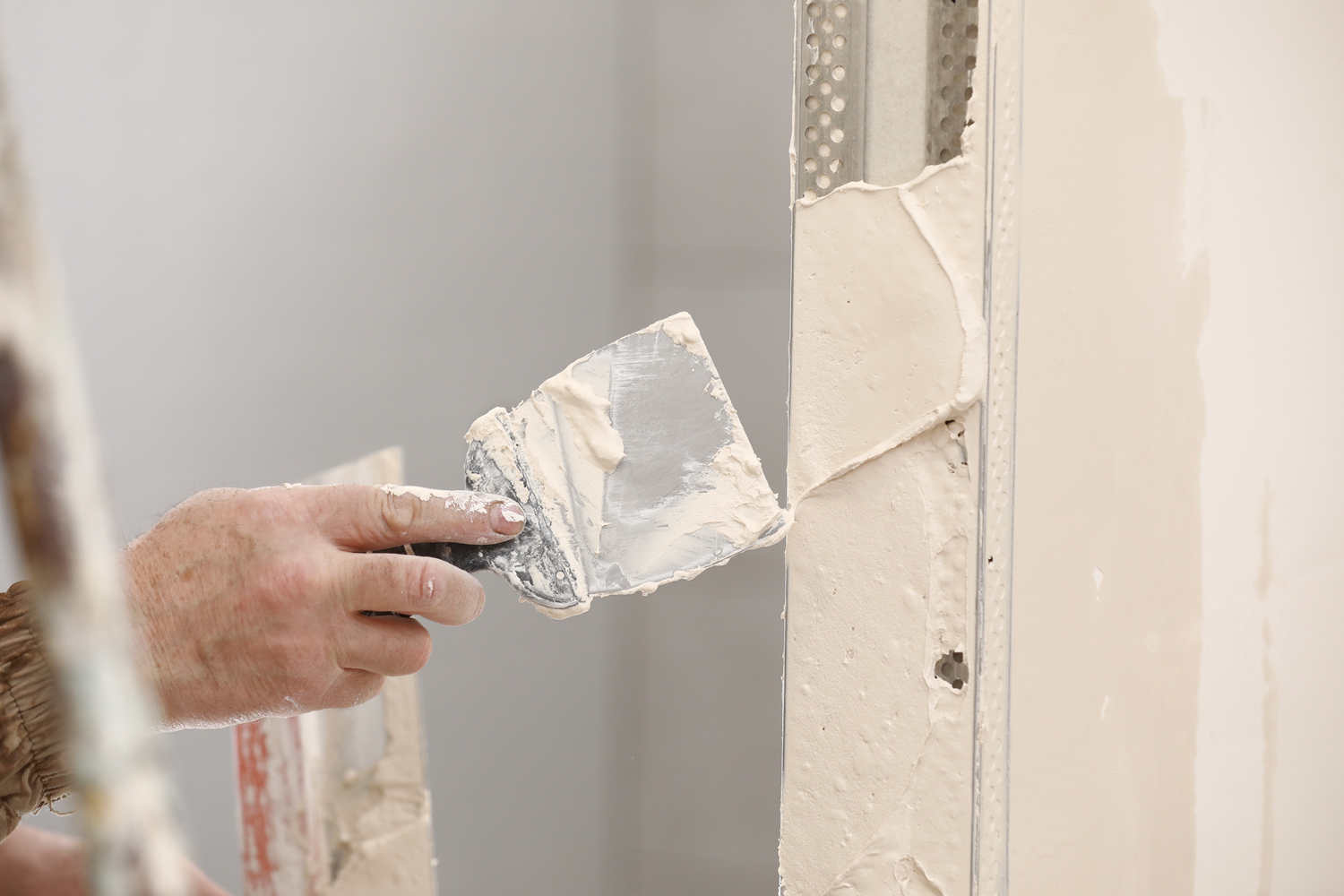
Plaster-based joint filler is fundamentally different from tile grout. It is not intended for filling tile joints, but is specifically designed forthe treatment of joints in plasterboard ceilings and partition walls.
1. Core Applications
- Plasterboard joints: Used to fill the V-shaped grooves between two plasterboard panels in ceilings or partition walls.
- Hole filling: Conceals the heads of self-tapping screws used to fix plasterboard.
- Repair and levelling: Repairing minor cracks and holes in interior walls.
2. Why Choose Gypsum-Based?
- Exceptional Bonding Strength: Specifically developed for gypsum materials, it shares the same composition as plasterboard, offering far superior adhesion to standard fillers.
- Excellent Crack Resistance: With an extremely low drying shrinkage rate, when used in conjunction with joint tape or fibre mesh, it effectively prevents cracks in ceilings.
- Fast-drying: Typically sets within 30–60 minutes, ensuring high application efficiency.
- Eco-friendly: Gypsum is a natural mineral with extremely low formaldehyde and VOC content.
3. Guide to Avoiding Common Pitfalls
- Mesh must be applied: After filling the joints, you must apply joint tape (paper tape or mesh) whilst the surface is still damp. Wait until it is completely dry before applying the second coat; otherwise, the ceiling will crack 100% of the time.
- Mix and use immediately: Do not mix too much at a time; gypsum-based products set very quickly. Once they start to harden, water cannot be added to reuse the mixture.
Recommended additives
- MHEC/HPMC
- Redispersible polymer powder
- Water-repellent agents
- Water reducers
In grout (whether cement-based or gypsum-based), cellulose ether (typically HPMC or MHEC) is an essential additive.
Below are the four key functions of cellulose ether in grout:
1. Excellent water retention
- Prevents water loss: Grout joints are typically narrow and shallow, making it extremely easy for moisture to be absorbed by the dry edges of the tiles or to evaporate.
- Ensuring hydration: Cellulose ethers lock in moisture, ensuring that the cement or gypsum has sufficient time to undergo complete hydration, thereby preventing issues such as powdering, sanding or insufficient strength once the grout has dried.
2. Improved Workability (Thickening and Lubrication)
- Anti-sag: Increases the consistency of the grout, preventing it from dripping off the trowel and ensuring it does not sag or run when applied to vertical wall joints.
- Lubrication: Reduces friction between the trowel and the grout, making application smoother and ensuring a fuller, more even finish.
Redispersible Polymer powder is another crucial polymer additive in grouts (particularlycement-based grouts).If cellulose ether is used to ensure “easy application” and “water retention”, then Redispersible Polymer powder is used to provide “strength” and “flexibility”.
Core Functions:
- Enhanced Adhesion: Once the grout has dried, the Redispersible Polymer powder forms a thin polymer film. This film acts like glue, firmly ‘gripping’ the grout to the edges of the tiles and preventing the grout from falling out of the joints later on.
- Providing Flexibility (Crack Resistance): Tiles and the substrate expand and contract with temperature changes. Pure cement is brittle and prone to cracking; with the addition of Redispersible Polymer powder, the grout becomes more flexible, able to absorb this deformation stress, significantly reducing the risk of cracking.Water-repellent and impermeable: High-quality Redispersible Polymer powder forms a film with sealing properties, reducing the water absorption rate of the joints and thereby enhancing mould resistance and alkali resistance.Abrasion resistance: Increases surface hardness, preventing the joints from wearing down or crumbling under frequent foot traffic or cleaning.
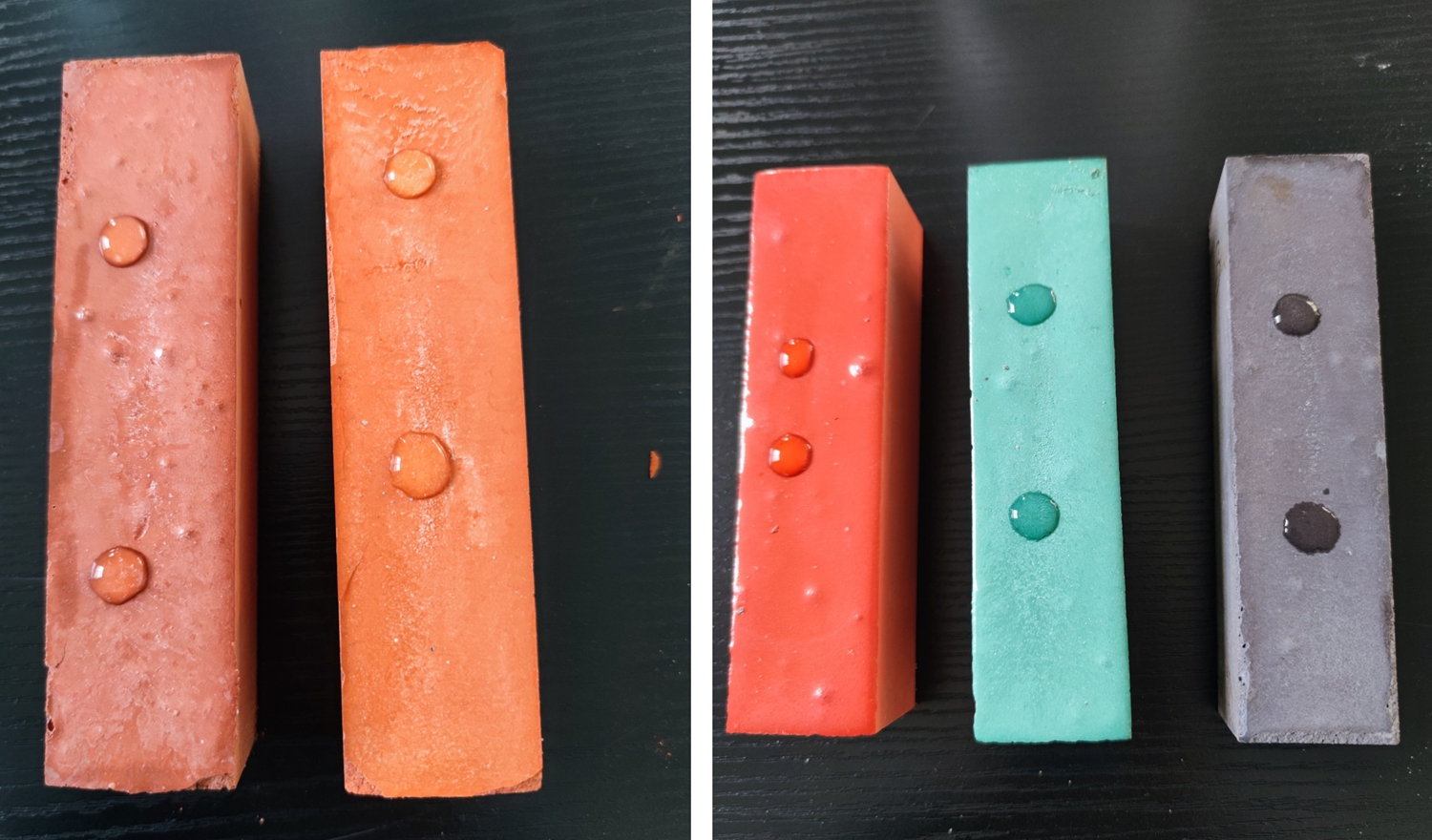
In the formulation of cement-based grout, water-repellent agents are the key additives responsible for achieving the ‘lotus effect’ and providing ‘mould and stain resistance’.
If cellulose ethers and latex powder ensure that the grout ‘does not crack or flake off’, then water-repellent agents ensure that it ‘does not absorb water or turn black’.
Core Functions: Water Repellency and Stain Resistance
- Lotus Effect (Water Repellency): This imparts extremely low surface tension to the grout’s surface. Water droplets falling onto the joint form smooth beads that roll off, rather than penetrating the surface.
- Reduced Water Absorption: Cement-based materials are naturally porous; water-repellent agents seal these micro-pores or alter the properties of the pore walls, significantly reducing capillary water absorption.
- Prevents efflorescence: Free calcium in cement leaches out with water, causing whitening and mottling. The water-repellent agent blocks the migration path of moisture, fundamentally suppressing efflorescence.
- Enhances mould resistance: Without standing water, mould loses its breeding ground, and the joints can retain their original colour for a long time.
Water reducers play the role of a ‘counterbalance to thickeners’ in grouts (particularly high-performance cement-based grouts). Although the dosage is usually extremely low (0.1%–0.3%), it is crucial for enhancing the grout’s density and final strength.
Core function: achieving the thickest slurry with the least amount of water
- Reducing the water-to-binder ratio: Cement requires water to set, but water evaporation leaves behind micro-pores. Water reducers enable the grout to maintain good flow and workability even with minimal water content. Less water means the joints are more dense and hard once fully cured.
- Enhancing strength: Reducing the water-to-binder ratio directly enhances the grout’s compressive and flexural strength, minimising shrinkage cracking.
- Improved surface gloss: Water-reducing agents ensure more uniform distribution of pigments and fillers, reducing surface slurry, resulting in a purer colour and a finer surface finish once the grout has fully cured.
- Assists with self-levelling: In certain ‘flowable grouts’ specifically designed for large floor joints, water-reducing agents are key to ensuring the grout automatically fills the bottom of the joint without leaving voids.

FAQ
- 1How to formulate a joint filler for wide joints?
Wide-joint grout (typically referring to joint widths between 3mm and 12mm) differs fundamentally from standard fine-joint grout in that it must address the issues of shrinkage cracking and sagging and running.
The following are the five key factors in formulating wide-joint grout:
1. Aggregate grading (the most fundamental)
This forms the physical basis for preventing cracking.
- Combination of coarse and fine sand: Fine powder alone is insufficient; graded quartz sand must be added (a mixture of 40–70 mesh and 70–140 mesh is recommended). The coarse sand acts as a ‘scaffold’ for structural support, significantly reducing the shrinkage rate during the mortar’s drying process.
- Powder-to-aggregate ratio: The ratio of sand to binder powder/cement is typically controlled between 1.5:1 and 2:1.
2. Core Cementitious System
- Cement Selection: Commonly used are 42.5-grade white cement or high-alumina cement. To control shrinkage, a small amount of expansive agent is sometimes added to compensate for the cracking caused by shrinkage during drying.
- Redispersible polymer Powder: Wide joints require extremely high toughness. The recommended addition rate is 1.5%–3.0%.
- The Redispersible polymer Powder provides lateral deformation capacity, absorbing the pressure caused by the thermal expansion and contraction of the tiles.
3. Functional Additives
Cellulose Ether (HPMC): A viscosity of 20,000–40,000 is recommended. The viscosity should not be too high, otherwise it will be very difficult to smooth over large areas during wide-joint application. Its primary function is to retain moisture, preventing the water deep within the wide joints from being absorbed by the tiles and causing the mortar to powderise.
Wood fibres: This is the ‘secret’ to the wide-joint formulation. Adding approximately 0.2%–0.5% of short fibres creates a three-dimensional support network, significantly improving sag resistance (preventing the wide joints on walls from slipping) and suppressing micro-cracks.
Water-reducing agent: Select powdered polycarboxylate superplasticizer . Whilst ensuring the desired consistency, minimise the water content as much as possible; the less water used, the lower the dry shrinkage.


